
Catalan politics is the focus of media attention with various perspectives. On one hand, internal tensions within ERC surrounding the figures of Gabriel Rufián and Oriol Junqueras are detailed, with negotiations over control of electoral lists for the general elections. There is speculation about Rufián potentially leading a new left-wing formation in Catalonia, uniting various political forces.
In parallel, the PSC is preparing for municipal elections under the leadership of Salvador Illa. Illa has called for socialist pride, defending the management of Pedro Sánchez's government and warning the PP not to assume victory in the elections. His intervention emphasized the party's municipalism and its transformative capacity in key Catalan towns such as Barcelona, Girona, Lleida, and Terrassa.
The Pope's visit to Barcelona has also generated various interpretations. While some sectors celebrate the presence of Catalan in liturgical acts as a victory for Catalanism, others point to the growing Hispanization of Catholicism in Catalonia, with a majority of Spanish speakers in parishes and a significant presence of people of Latin American origin.
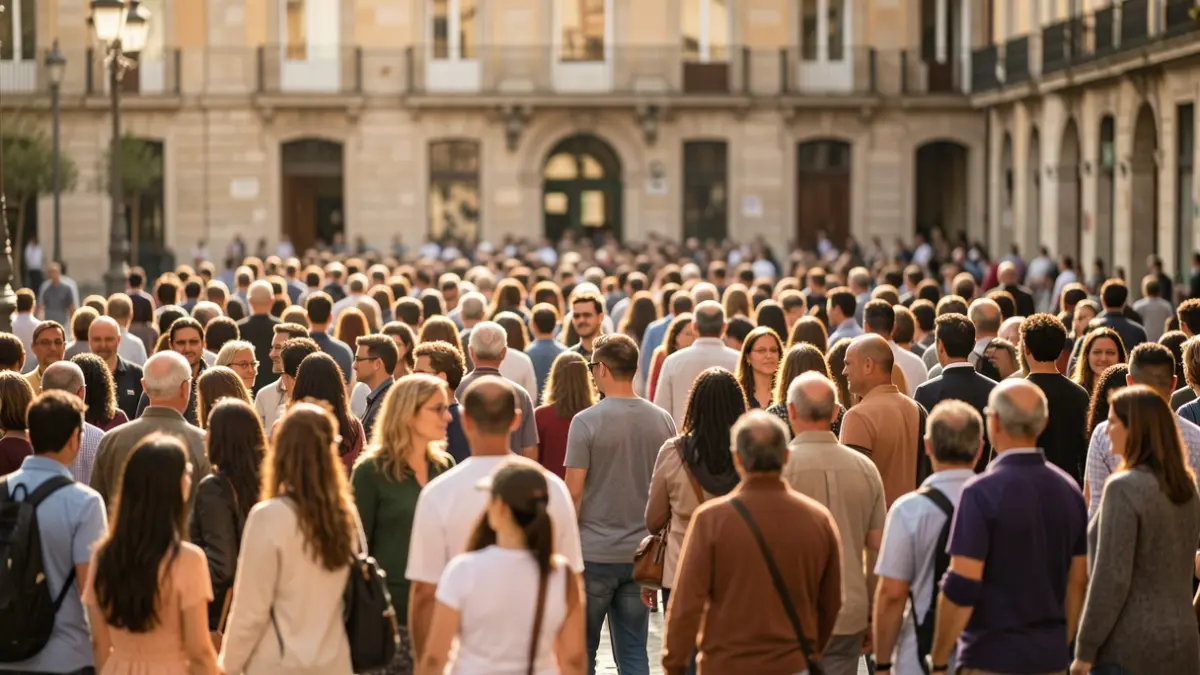
From a demographic standpoint, profound changes are evident in Barcelona. The foreign population has multiplied by over 17 in less than 30 years, rising from 1.8% in 1997 to 26.6% currently. This phenomenon, which offsets the declining birth rate, has a significant impact on the labor market and the management of basic services such as healthcare, education, and, especially, housing access, which has become one of the city's main problems.


