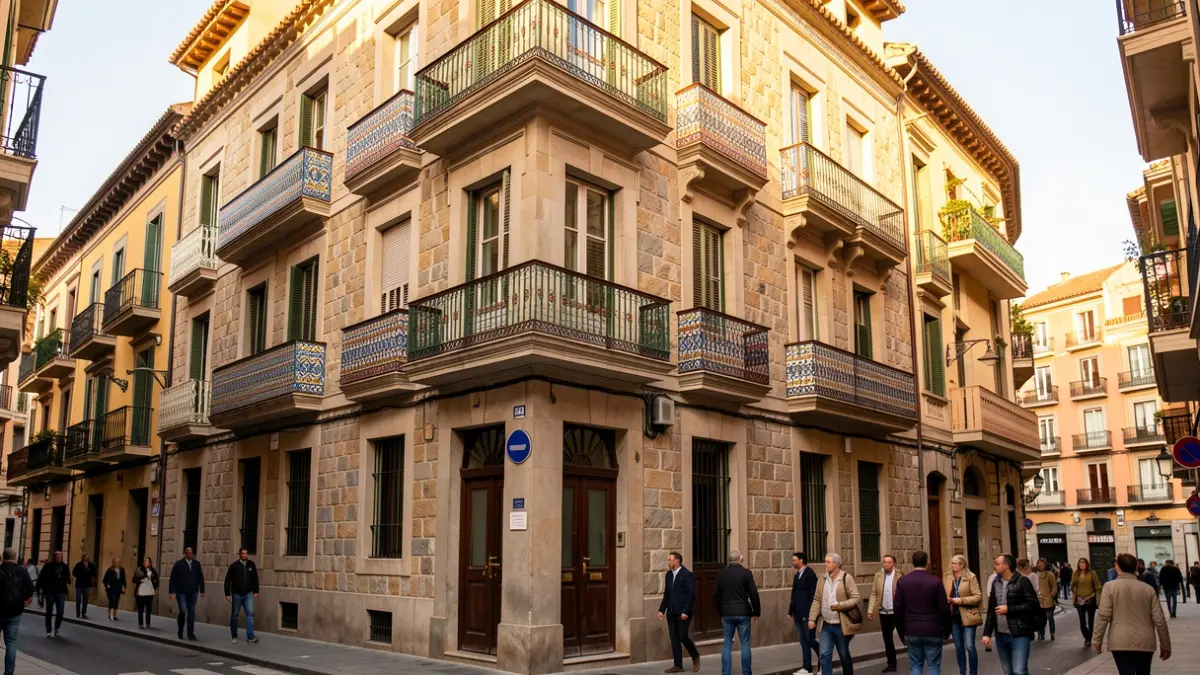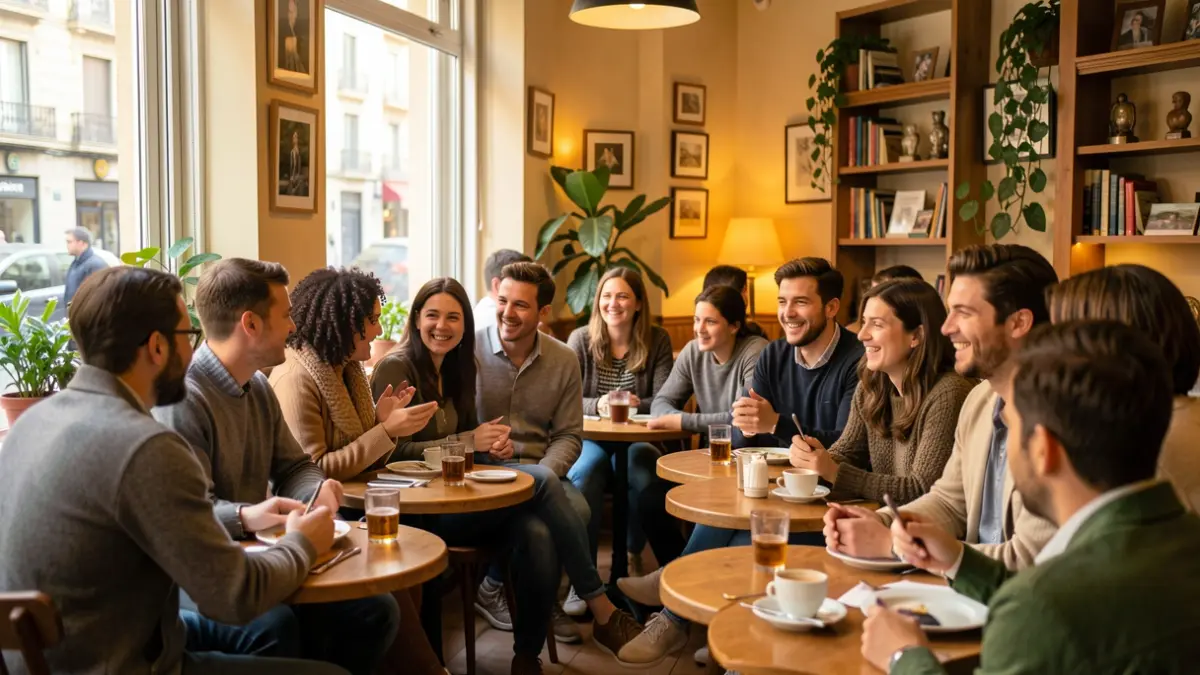
After international experiences, Arnau and Eloi noticed the difficulty of speaking Catalan upon returning to Barcelona. Inspired by similar initiatives abroad, they created Speak Catalan, a social media profile that has grown rapidly, surpassing 10,000 followers. The goal is twofold: to help newcomers practice Catalan and discover local culture and traditions.
The first post, with the slogan "Tired of feeling like a tourist? We are your new Catalan friends," was well-received. Since January, they have organized about twenty activities, from calçotadas and visits to 'castellers' (human towers) to vermouth gatherings with games like Kahoot. These initiatives have brought together dozens of people, demonstrating, according to the organizers, that it "dismantles the myth" that foreigners do not integrate.
The project arose from the "shock" experienced after returning from Erasmus and the realization that in Barcelona it was "increasingly difficult" to speak Catalan. Speak Catalan aims to provide "tools" for integration, mirroring the positive experience the organizers had abroad. The first language exchange meeting already gathered about thirty participants with minimal social media promotion.
The activities, ranging from social bingo to excursions to Montserrat, attract participants from various towns like Vic or Berga, and even from Andorra. According to Eloi, the desire to learn Catalan is high if the right tools and social usage are provided. A major challenge for foreigners is the lack of "real interactions" in Catalan in their daily lives, outside of work environments or living with other foreigners.
Arnau criticizes the "stigma" about the non-integration of newcomers, stating they have observed "quite the opposite," a great interest in learning and participating. He also questions the term "expat," noting that many immigrants coming to Barcelona seek a better life and contribute by paying taxes, far from the image of high purchasing power often associated with them.
Participants like Agustina, from Buenos Aires, positively value the opportunity to socialize in Catalan and feel part of the culture, overcoming the difficulty of finding groups of Catalans to interact with outside of formal classes. Sigurd, from Norway, who has become part of the organizing team, highlights the welcoming atmosphere and the motivation generated by learning the language, especially when needed for family communication, as in his case with his ex-partner's family from Girona.
Looking ahead, Speak Catalan plans to expand its activities beyond Barcelona, with an upcoming event already announced in Girona, aiming to continue facilitating linguistic and cultural integration throughout the region.