With the traditional summer decrease in mobility, TMB is taking the opportunity to carry out substantial improvements to the metro network. This year, the most significant actions will focus on L1, L9, and key interchanges like those at Verdaguer and Plaça de Catalunya. Prior to the commencement of works, information campaigns will be implemented to alert the public about the planned changes.
The works will begin slightly later than in previous years to avoid coinciding with large-scale events such as the papal visit or the Tour de France, which starts in Barcelona. The deputy mayor and president of TMB, Laia Bonet, has warned that these are "very important maintenance works, some very complex, which require unavoidable closures to be addressed".
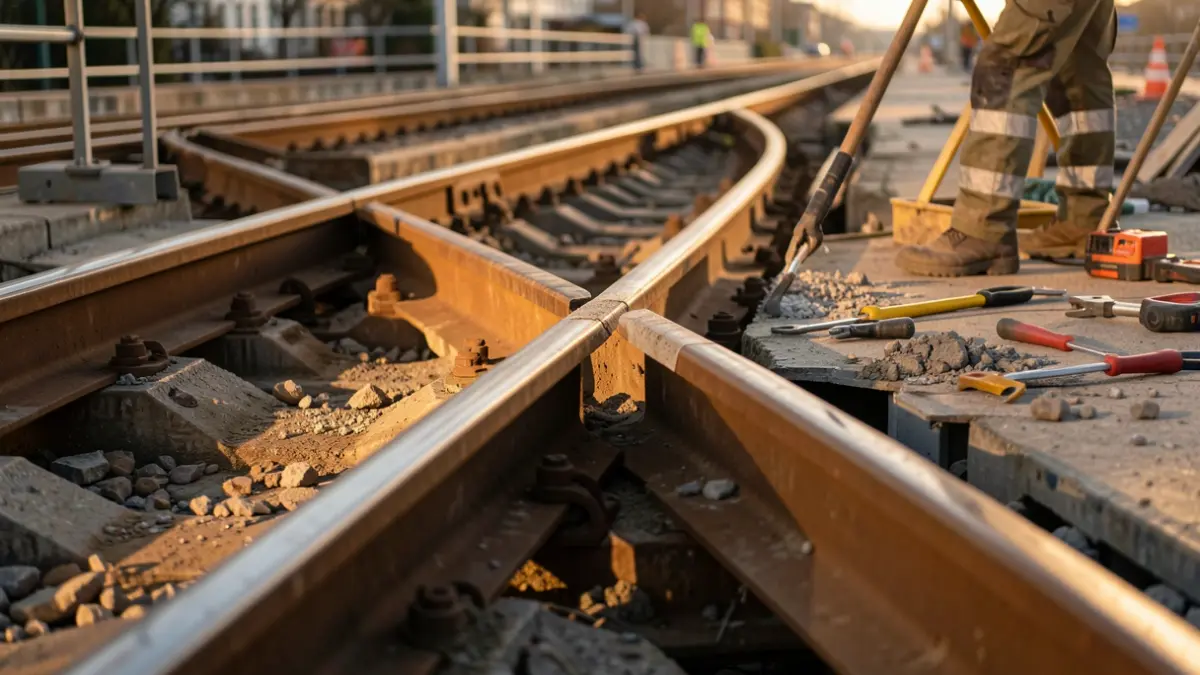
On L1, three stations in the section between La Florida and Plaça de Sants (Torrassa, Santa Eulàlia, and Mercat Nou) will be closed from July 17 to August 28. This closure, the most significant of the summer, will affect approximately 43,000 daily weekday users in July and 36,000 in August. The works include the renovation of century-old tracks, the change of three tracks to separate the main line from workshop access points, the replacement of the catenary, and an investment of 11.5 million euros, aiming to reduce incidents and improve reliability and comfort.
To mitigate the impact, TMB recommends using L10 (with a stop at Torrassa) or L5 (at Plaça de Sants), which will maintain winter frequencies. The service on the L8 of FGC will also be reinforced, and a shuttle bus will be available for people with reduced mobility.
L9 will experience a closure between La Sagrera and Onze de Setembre from June 25 to August 30, followed by an additional 11 days until Bon Pastor. These works, with a budget of 22.6 million euros, are crucial for adapting the shaft and tracks for the future opening of the central section of L9, planned for late 2027. The Generalitat will inform residents during this June. The closure is expected to affect around 3,200 daily users in July and 2,300 in August, with alternatives such as L1, L2, and buses H8, 34, and 126, in addition to a shuttle bus.
At the Verdaguer station, trains will not stop for 8 weeks, until August 31, due to accessibility works (initiated in January 2025) and adaptation for L4 and later L5, with an investment of 8.6 million euros. The plan includes removing steps, leveling the hall floor, and extending platforms. From 2027, elevators and escalators will be installed. The works will affect approximately 6,500 daily users in July and 4,800 in August, who will need to use the Joanic or Girona stops. The connecting corridor, closed since last October, will also be reopened.
At the Catalunya station, starting July 6, the connecting corridor between L1 and L3 will be improved to remove encapsulated asbestos from the infrastructure. According to Bonet, this asbestos no longer poses a risk to users. After removal, walls, floor, and ceiling will be redone, and lighting will be changed. During the works, users will have to transfer via the street, with an adapted ticket validation system to avoid a second charge.
Meanwhile, Renfe will reinforce its service on the R1 and R2 lines of Rodalies de Catalunya during the summer. The R1 will add 7 more trains on weekends and holidays between Barcelona and Calella, while the R2 will have 17 additional trains on weekends and holidays at the Platja de Castelldefels station. These reinforcements will be in effect until October 1.