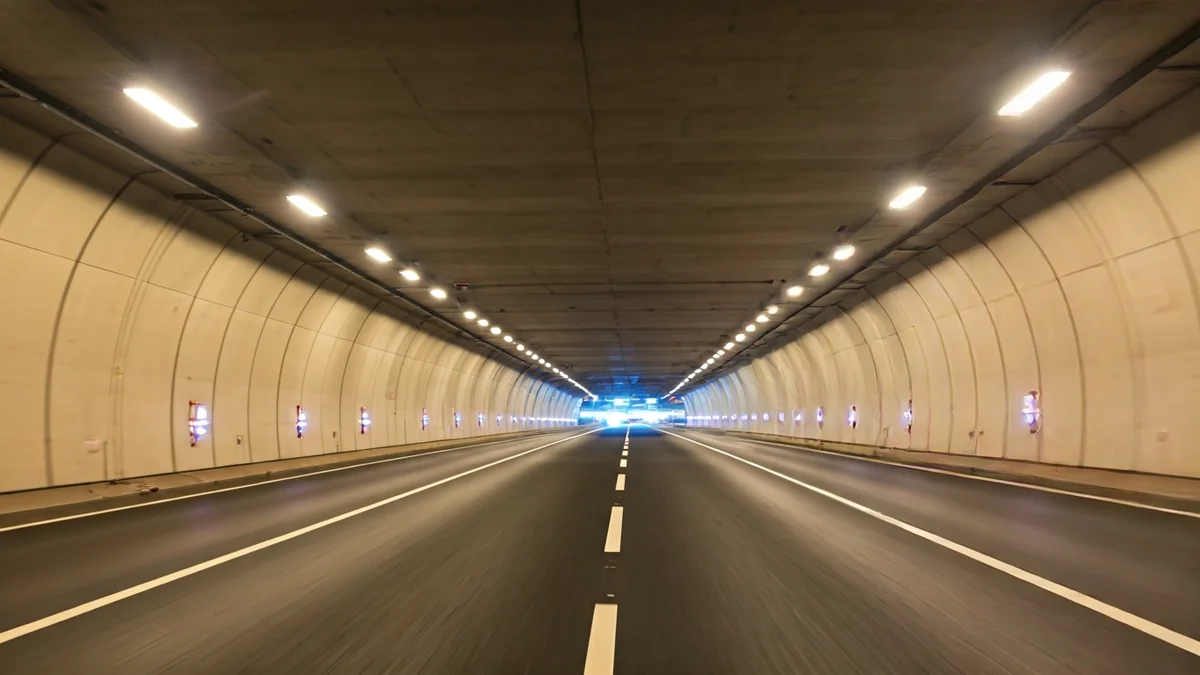
The tunnel, a vital infrastructure for the city, has been closed for more than twelve months for modernization work. The reopening in the sea-bound direction began at 6:00 PM, joining the mountain-bound direction which was already operational. Barcelona Mayor Jaume Collboni celebrated the return to normality, emphasizing that the infrastructure is 'fundamental' for the Catalan capital.
The works, which incurred an additional cost of 3 million euros due to the unexpected hardness of the rock, have allowed for structural improvements, waterproofing, pavement upgrades, lighting, safety, and communication enhancements. Collboni stated that the Túnel de la Rovira is now 'fully approved and of maximum safety,' framing this intervention within the municipal policy for infrastructure rehabilitation under the Pla Endreça. The tunnel, inaugurated in 1987, required an update after many years of service.
The reopening has been carried out progressively. At 6:00 PM, the section between Ronda del Guinardó and Rambla del Carmel was opened, and subsequently, the circulation of the last section connecting to Ronda de Dalt was enabled. The City Council anticipates that traffic will be fully restored by Tuesday morning, at which point bus lines V21 and H2 will resume their usual routes, connecting the neighborhoods of Carmel, Baix Guinardó, and Font d'en Fargues.
“"There are infrastructures whose importance is not perceived until they are interrupted."
Despite the full reopening, the sea-bound direction of the tunnel will experience night closures for the next two or three months. These interruptions, occurring between 10:30 PM and 5:30 AM from Sunday to Thursday, will serve to consolidate and test the lighting and communication improvements. Collboni underscored the tunnel's importance for the thousands of citizens who use it daily, both in private vehicles and public transport.