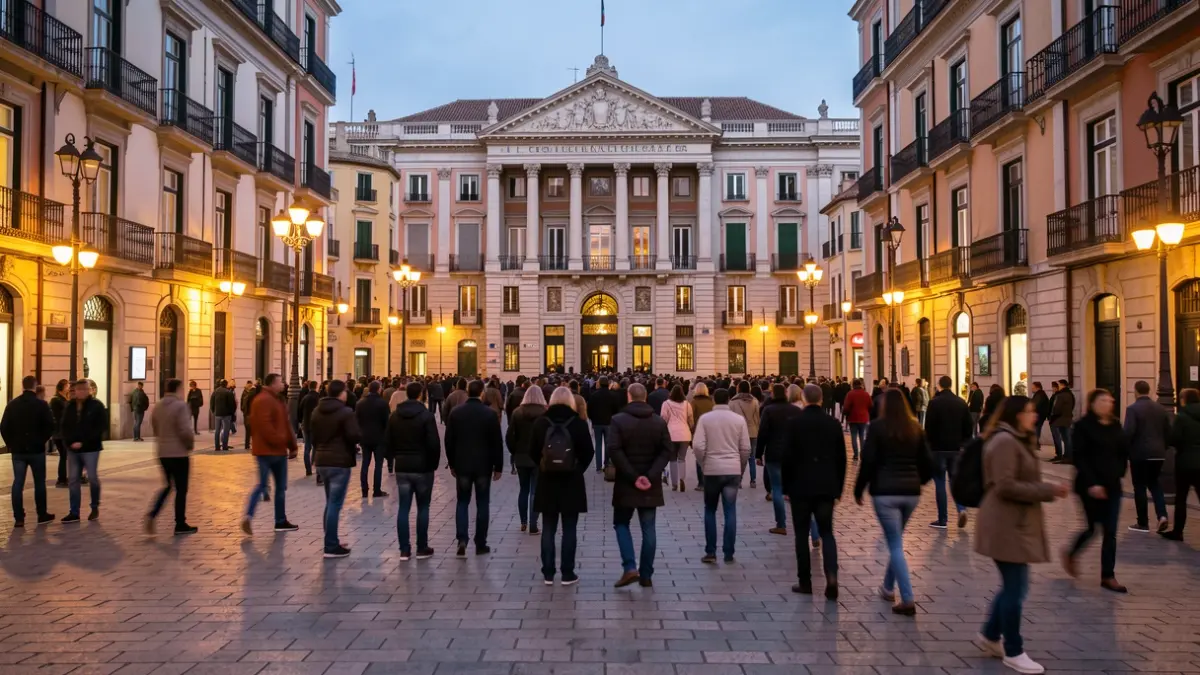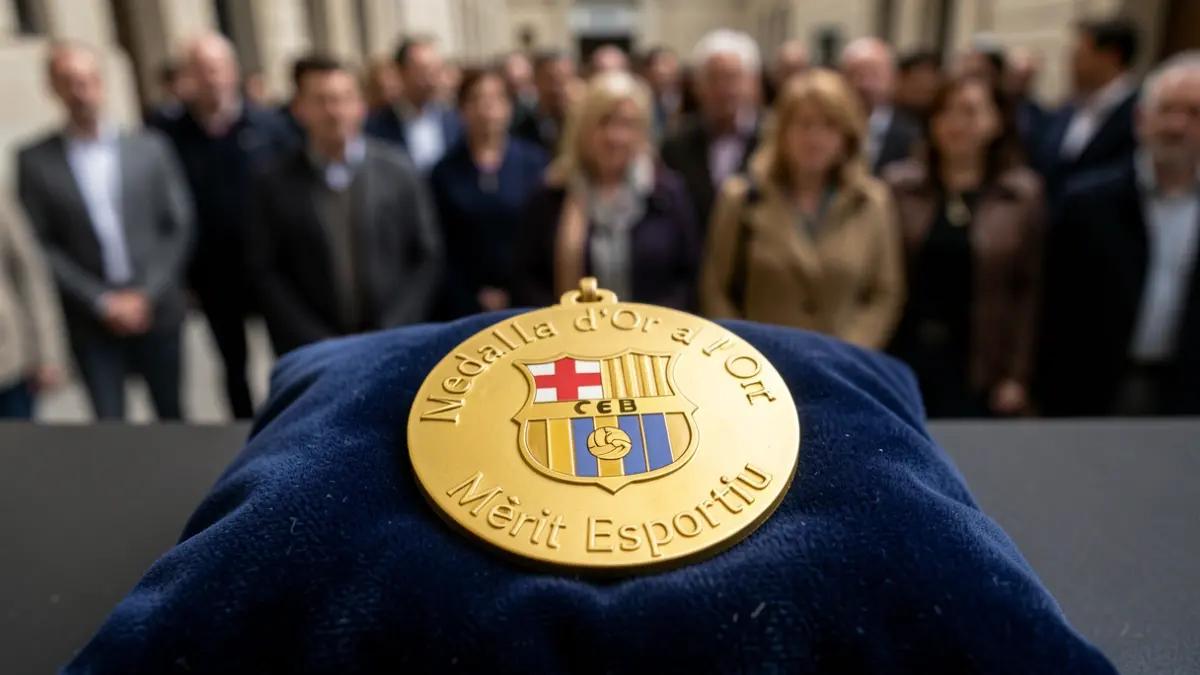
The study, conducted by IU-RESCAT, focuses on balancing biodiversity conservation with privacy rights. It highlights that tools like acoustic sensors and AI must operate under principles of transparency and proportionality when capturing data in public spaces.
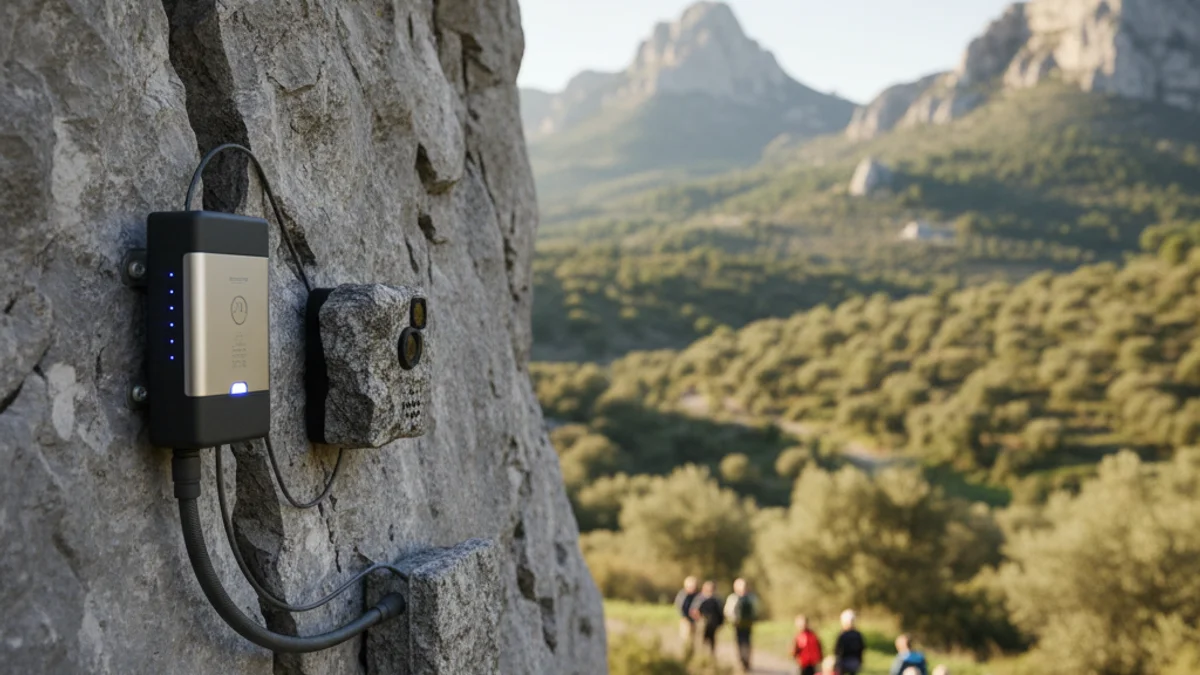
Practical applications were tested at Sant Llorenç del Munt i l'Obac Natural Park, managed by the Barcelona Provincial Council. Cameras and sensors were used to monitor the impact of climbing on bird nesting sites and bat colonies.
Supported by Huawei and IUCN through the Tech4Nature project, the researchers, including Susana Borràs Pentinat, recommend clear communication to visitors regarding any surveillance devices installed for scientific purposes.