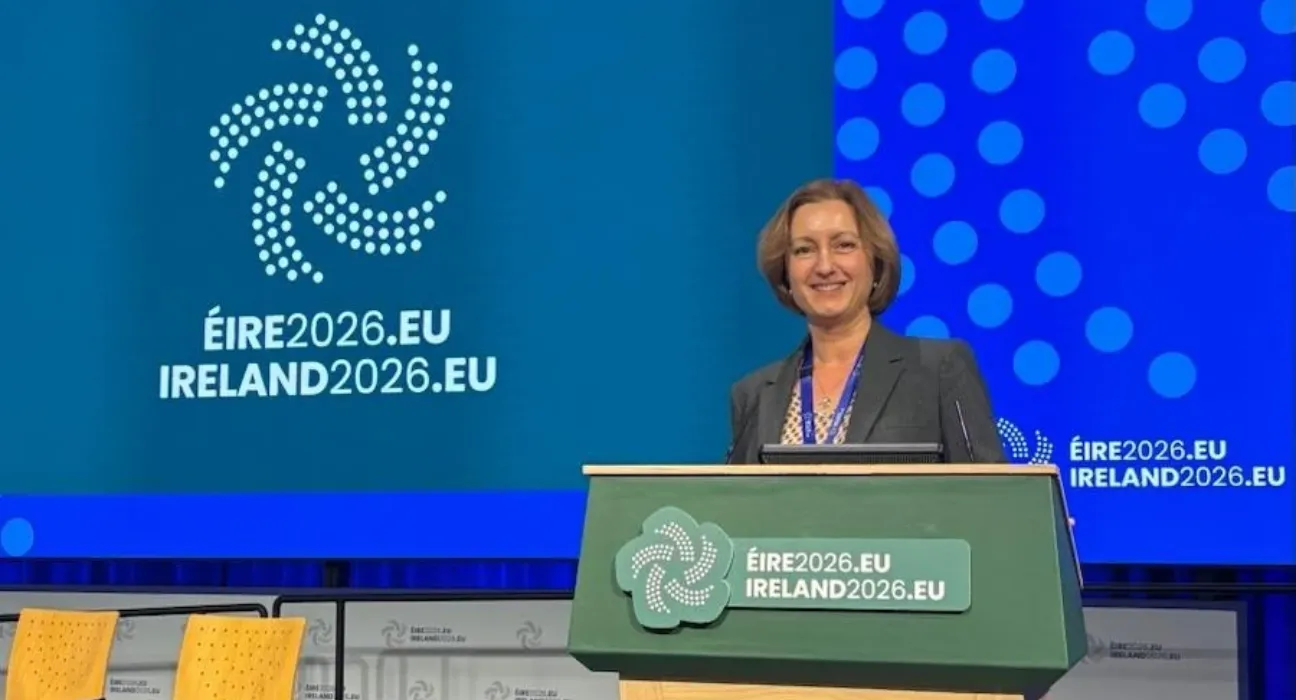
Vall d’Hebron has presented in Europe the potential of new GLP-1 drugs, framed within a comprehensive approach to obesity. Dr. Andreea Ciudin, head of the Comprehensive Obesity Treatment Unit (UTIO) at Vall d’Hebron University Hospital and principal investigator of the Diabetes and Metabolism research group at the Vall d’Hebron Research Institute (VHIR), participated on November 16 in a health ministers' conference in Dublin. The meeting, organized by the Irish Department of Health as part of Ireland's presidency of the Council of the European Union, brought together European health policy leaders to address challenges in prevention, innovation, and health equity.
Under the slogan ‘Maximising EU Potential through Health. Securing our Future through Prevention, Innovation and Equity’, the conference focused on five major public health challenges: obesity, cardiovascular diseases, cancer, women's health, and mental health. Dr. Ciudin spoke at a panel titled ‘From Weight Loss to Health Gain’, analyzing the role of GLP-1 in treating a chronic disease.
New treatments based on incretins, such as GLP-1 receptor agonists, represent a paradigm shift in obesity management. These drugs act on the neuroendocrine circuits that regulate appetite, satiety, and metabolism. Their potential extends beyond weight loss, as they also improve type 2 diabetes control, reduce cardiovascular risk, and ameliorate obesity-related complications. Dr. Ciudin argued that these treatments should be integrated into long-term obesity management to modify disease progression and improve the quality and life expectancy of patients.
Dr. Ciudin emphasized the importance of viewing obesity as a complex chronic disease, influenced by biological, genetic, environmental, and social factors. She advocated for a comprehensive approach combining nutritional care, physical activity, psychological support, and clinical monitoring, noting that recognizing obesity as a chronic illness is crucial for combating the stigma. The conference also addressed the challenges of equity and sustainability in integrating these treatments into healthcare systems.
Vall d’Hebron's participation in this European meeting aims to contribute the UTIO's clinical experience to transform obesity management, measuring success not only by kilograms lost but also by complications avoided and years of healthy life gained.