The research, published in the journal Nature, includes nearly 150 three-dimensional cancer models from ten different tumor types. The DepMap project aims to map cancer vulnerabilities to identify potential therapeutic targets and biomarkers for designing more precise treatments. All this information is made publicly available to the scientific community through a portal.
Previously, DepMap relied solely on traditional 2D cell cultures. This new work adds data from three-dimensional models like organoids, lab-grown from patient tumor cells, which better replicate the original tumor's characteristics.
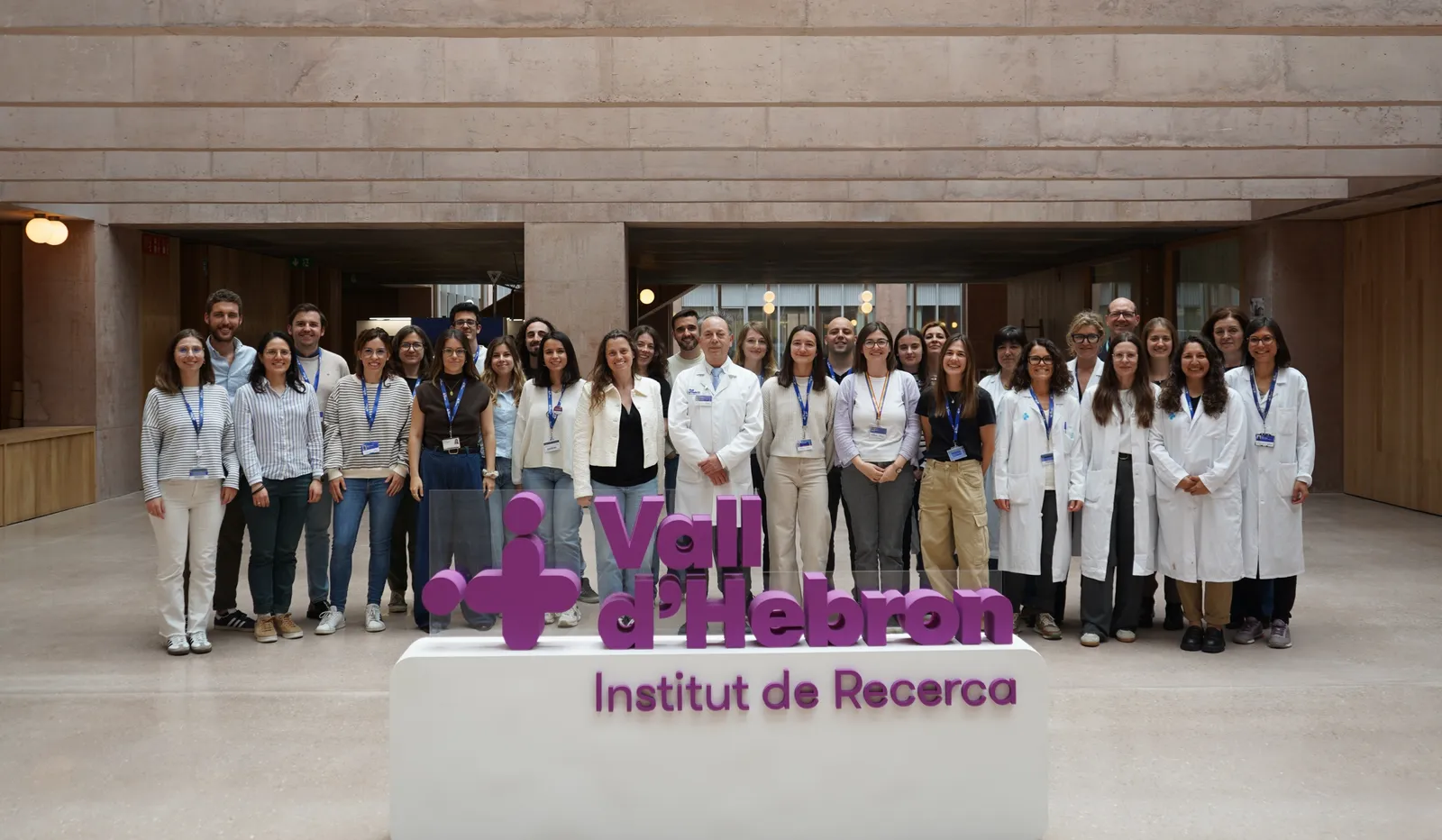
VHIR contributed data from organoids derived from endometrial cancer patients. According to Dr. Beatriz Villafranca, who characterized the organoid models, “incorporating this information into DepMap allows for comparison between 2D and 3D cultures and the identification of alterations relevant to tumor cell survival”.
Results indicate that 3D and traditional models offer complementary information, providing a more comprehensive understanding of tumor characteristics. This can aid in identifying new biomarkers and potential therapeutic targets.
Dr. Eva Colás, co-head of the Gynecological Biomedical Research group at VHIR, emphasizes the importance of data sharing: “Sharing data from models of different tumor types is crucial for advancing more precise cancer research and identifying new treatment options for patients”.