
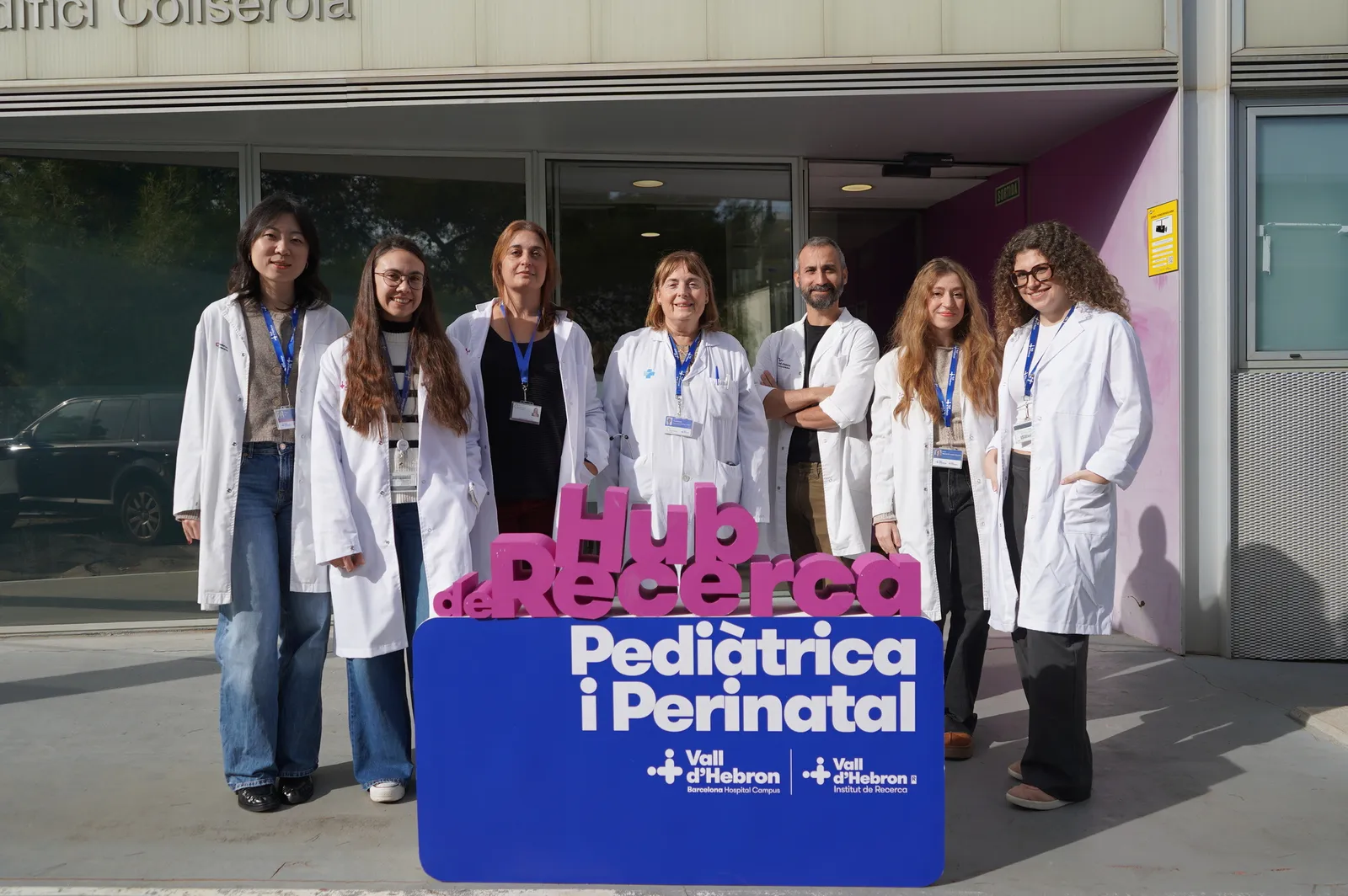
The project, led by Dr. Gema Ariceta and Dr. Cristina Martínez, will use kidney organoids generated from patient stem cells to study the disease mechanisms and evaluate potential treatments. The initiative, with a two-year duration, aims to better understand the clinical variability among patients and identify new therapeutic targets.
FHHNC is a genetic disorder caused by mutations in the CLDN16 or CLDN19 genes, leading to excessive loss of calcium and magnesium in the urine, potentially causing chronic kidney disease and ocular abnormalities. Currently, there is no specific treatment to halt its progression.
The VHIR team will develop three-dimensional kidney organoids from stem cells of two siblings with the same genetic mutation but different clinical outcomes, to study the interaction between the primary mutation and other genetic variants.
These cellular models will also be used to evaluate potential therapeutic strategies, including the repurposing of existing drugs, aiming to improve patient care and advance towards more personalized medicine.
The research continues previous lines of work by the VHIR's Renal Pathophysiology group, which has identified genetic variants and microRNA profiles associated with kidney progression, as well as candidate drugs for therapeutic repositioning.
The project involves collaborations with the Centre for Genomic Regulation (CRG) and patient associations such as Hipofam, AIRG-E, FEDER, and the European network ERKNet.