District facilities and entities are hosting students to practice Catalan in real contexts. The initiative provides students from the Consorci per a la Normalització Lingüística (CNL) of Barcelona with spaces to practice the language outside the classroom, in everyday situations, and in contact with people involved in the associative and cultural life of the territory.
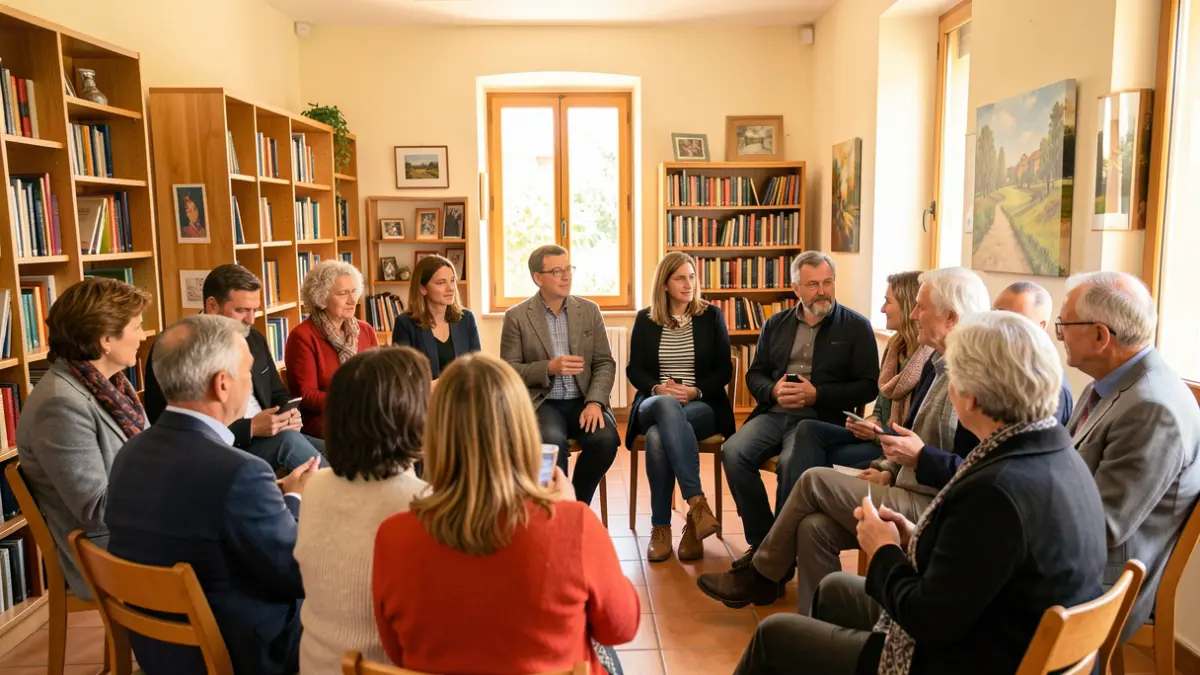
Volunteer individuals from participating entities welcome the students and accompany them during their visit or activity. In addition to conversing in Catalan, participants can learn about the functioning of each facility, the activities organized there, and the services offered.
In this second edition, the participants include the Agrupació Excursionista Icària, the Casal de Barri La Llacuna, the Associació Llibres Lliures, the Biblioteca Camp de l’Arpa, the Casal de Barri Antoni Miró Peris, the Centre Cívic Sant Martí, Sembrar Associació, the Club Nàutic Poblenou, the Orfeó Martinenc, the Biblioteca del Poblenou, the Foment Martinenc, the Espai Terra F. Carulla, the Casal de Barri Bac de Roda, Xino-Xano, the Casal de Barri La Pau, the Biblioteca del Clot, the Castellers de Barcelona, the Gegants del Besòs i Maresme, the Auditori de Sant Martí, El Cor Canta, the Centre Moral i Cultural, the Casal de Joves Can Ricart, the Casal de Barri Vila Olímpica, and the Casal de Barri Poblenou.
The project is based on collaboration between the CNL of Barcelona and the district's entities to help learners integrate Catalan into their daily activities and gain fluency and confidence in communication.