The celebration of the International Day for Monuments and Sites, observed worldwide, highlights the various threats facing global cultural heritage. In Catalonia, numerous cultural institutions join this initiative with educational activities, such as guided tours and conferences, to foster public involvement in the conservation and transmission of cultural legacy to future generations.
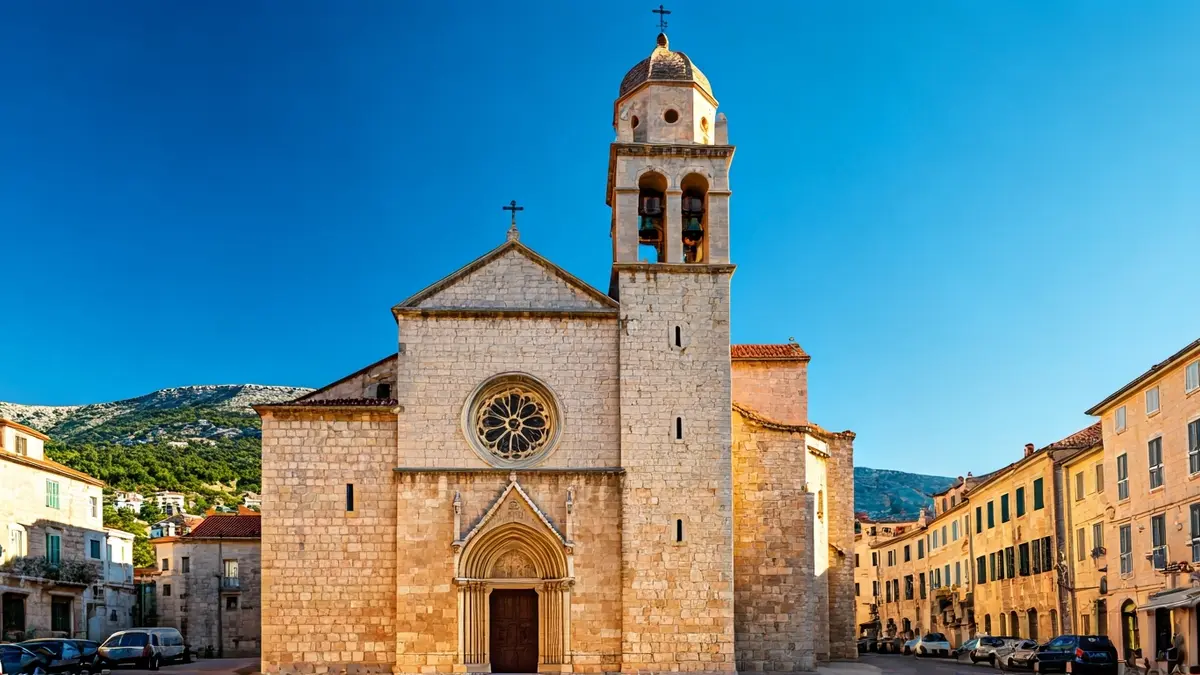
In l'Espluga de Francolí, the Old Church and its bell tower, Gothic-style buildings dating back to 1297, will open their doors. These spaces are already accessible every weekend, with hours on Saturday from 10h to 19h and Sunday from 10h to 13.30h, and guided tours can also be arranged through the esplugaturisme.cat portal.
The Old Church has a complex history, having been a threatened building a century ago. It was the scene of battles during the Catalan Civil War (1462) and the Third Carlist War (1873). Between 1836 and 1843, it safeguarded the skeletal remains of the Royal Pantheon from the monastery of Santa Maria de Poblet after its disentailment. Abandoned in 1873 and on the verge of demolition, it was declared a Historic and Artistic Monument of the State and a Cultural Asset of National Interest of Catalonia in 1923. Despite suffering partial bombing in 1939 during the Civil War, it was recovered for worship in 1975. Recently, the Commission for the Restoration of the Old Church has been reactivated to continue with conservation tasks.
This year's theme, "Living Heritage and Emergency Response," underscores the work of all individuals dedicated to protecting cultural heritage in all its dimensions: material, intangible, and natural.