Coinciding with World Colon and Rectal Cancer Day, healthcare professionals have emphasized the relevance of early detection. In the Girona Health Region, the screening program, managed by the Institut d'Assistència Sanitària, has achieved a rate of one case detected per thousand people examined.
During 2025, a total of 34,661 people participated in this initiative, representing 32.6% of the invited population. Experts stress that active participation is crucial, as early diagnosis can increase the cure rate to up to 90%.
“"Colon cancer usually starts with a benign lesion that can be removed before it evolves."
Dr. Javier Pamplona, the program coordinator, explained that this disease often does not show symptoms until advanced stages. In the Girona Health Region, colon and rectal cancer is the most common, with approximately 600 annual diagnoses and nearly 200 deaths.
Regarding regional involvement, Garrotxa leads participation with 44.36%, followed by Ripollès, Baix Empordà, and Alt Empordà. Regions such as Maresme (28.90%) and Selva Marítima (24.86%) show lower percentages.
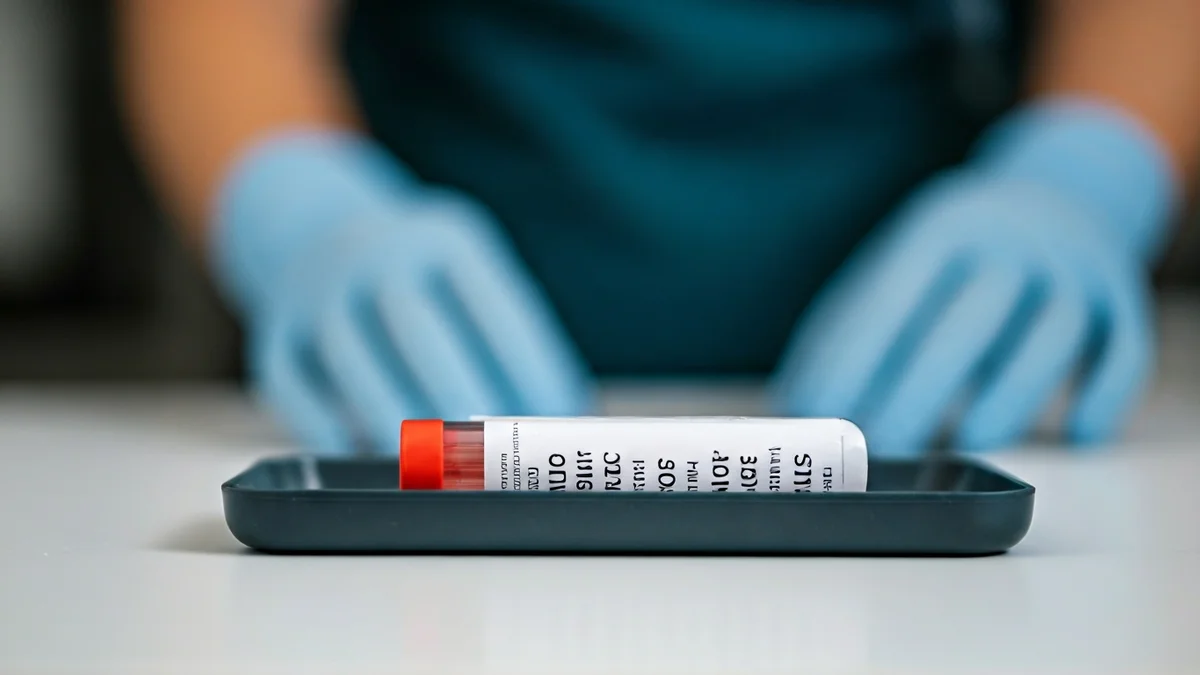
The program, which has been running for 12 years, targets individuals aged between 50 and 69, who receive an invitation every two years. The test involves a simple fecal occult blood analysis, which can be performed at home with a kit collected at the pharmacy. If the result is positive, the patient is referred for a colonoscopy. In these 12 years, 620 cancer cases have been detected, and precancerous lesions have been removed in more than half of the examinations.