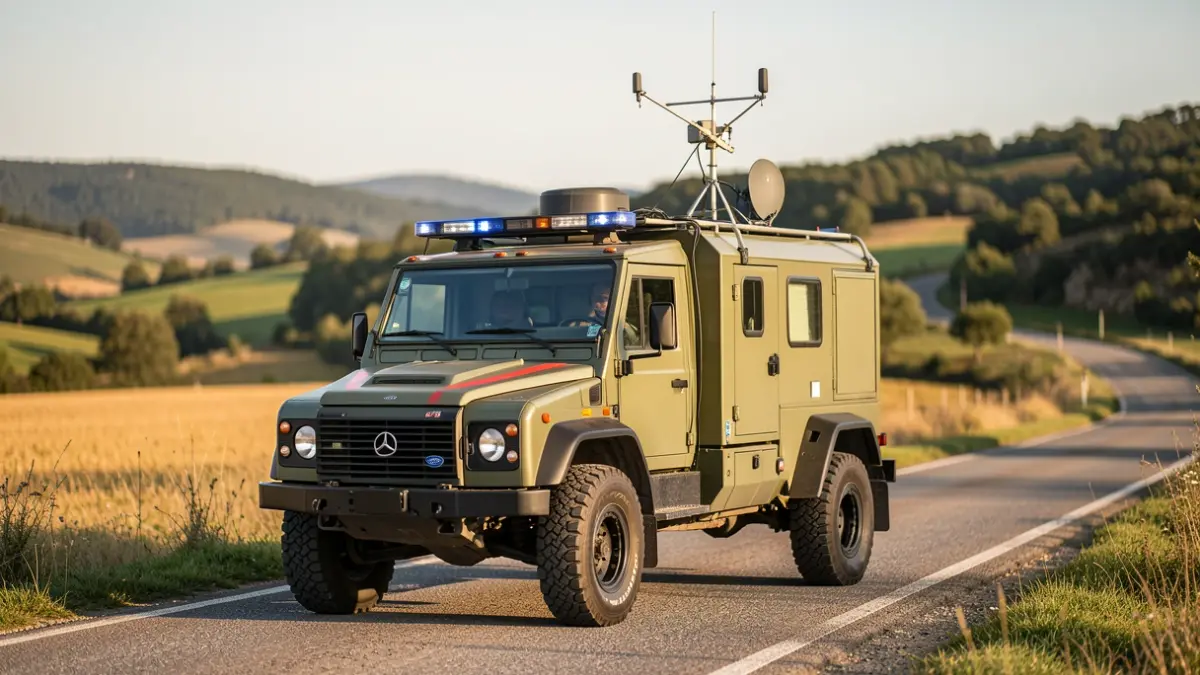
The new unit features a deployable antenna providing "basic provisional coverage" in situations such as fires, windstorms, floods, infrastructure incidents, or power outages. According to the Secretary of Telecommunications and Digital Transformation, Albert Tort, the vehicle can offer voice and data services to users of different operators.
This mobile unit has a minimum autonomy of 48 hours and an operational radius of 10 to 20 kilometers. Its primary function is to "temporarily restore mobile coverage" to allow the reception of alerts from Civil Protection, ES-Alert messages, or calls to 112. Additionally, it acts as a "multi-operator vehicle" to reinforce or recover 4G and 5G signal in affected areas.
Tort recalled that emergencies themselves can damage telecommunications infrastructure, such as cabling and towers, citing the Paüls fires last summer as an example. This unit is the first motorized of its kind and will be available year-round, with subsequent evaluation of its effectiveness to consider potential service expansions.
The Deputy Director of Coordination and Emergency Management of Civil Protection, Imma Solé, highlighted the importance of this tool for prevention and the integration of telecommunications into emergency planning.
The vehicle, designed to operate in rural and challenging areas, required an initial investment of 422,500 euros. Its mobile antenna can connect to operational infrastructure via radio link or satellite.