In Spain and globally, sleep problems have become a daily health concern. Rushing, stress, long working hours, using mobile phones before bed, and a lack of routine mean many people go to bed exhausted yet fail to achieve restful sleep. It's not just about sleeping too few hours, but also about waking up frequently, feeling tired upon waking, having trouble falling asleep, or trying to catch up on lost sleep during the weekend.
Psychologist and sleep expert Núria Roure warns that poor sleep is not a mere inconvenience but a symptom and an alarm signal from the body. According to Roure, the problem often begins during the day, influenced by stress, lack of stable schedules, excessive screen time, insufficient physical activity, or a fast-paced lifestyle. "Sleep starts to be manufactured when we wake up in the morning," she states, emphasizing that daily routines and consistent sleep schedules are key to generating the necessary sleep pressure.
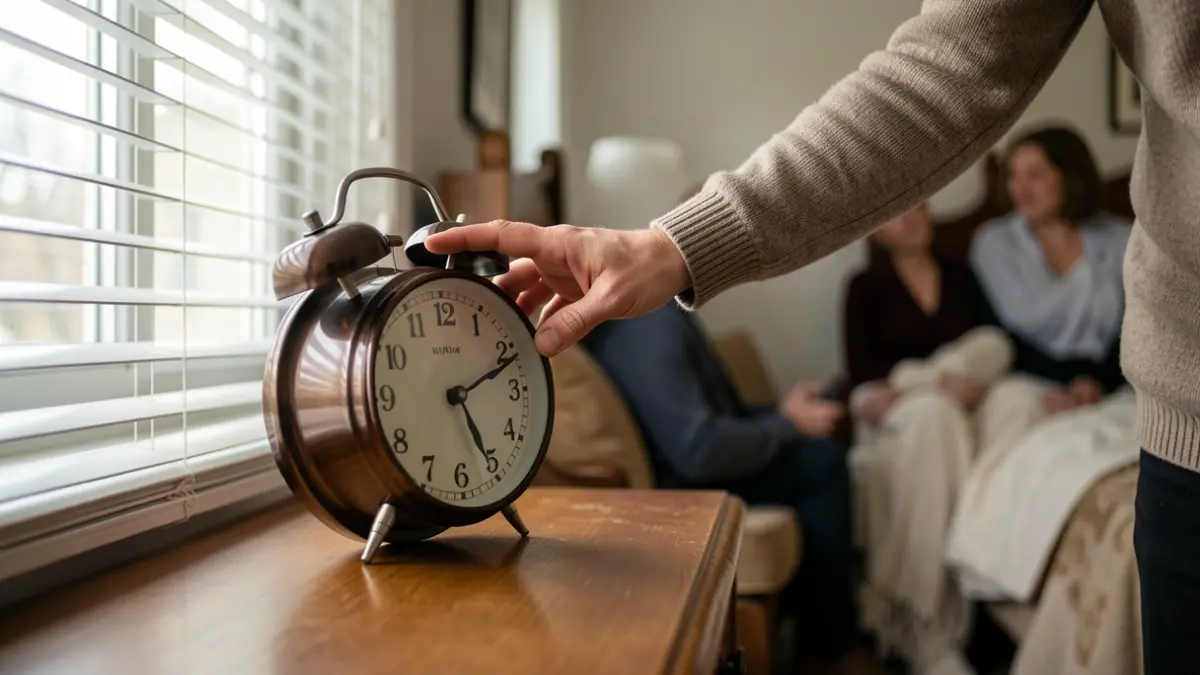
A common detrimental habit is hitting the snooze button on the alarm clock. This seemingly innocent action can trick the brain, worsen sleep quality, and disrupt the circadian rhythm. Roure recommends placing the alarm clock far from the bed to force oneself to get up and avoid this cycle of superficial and confusing sleep. Going to bed too early can also be counterproductive, leading to mid-night awakenings and difficulty falling back asleep.
The idea of catching up on lost sleep during the weekend is misleading. Chronic sleep deprivation affects concentration, memory, mood, and safety, increasing the risk of accidents and forgetfulness. To improve sleep quality, Roure stresses the importance of stable morning routines, such as waking up at a fixed time and exposing oneself to natural light. At night, it's advisable to reduce screen use, avoid intense stimuli, and not eat dinner too late.
Physical exercise during the day also plays a crucial role, as the release of adenosine during intense activity facilitates deeper, more restorative sleep. Ultimately, sleeping well depends on how one lives their entire day, not just the moment of going to bed.