The Department of Justice and Democratic Quality is implementing the 2025-2028 Justice of Peace and Proximity Plan in the Girona region. This initiative aims to adapt the Municipal Justice Offices (OJM) to the new organizational model established by Organic Law 1/2025 and strengthen their role as the citizens' entry point to the justice system.
Minister Ramon Espadaler highlighted the importance of peace judges and justices of the peace as an "appreciated and recognized figure" and "the closest and most accessible door for citizens," acting as agents for "generating coexistence, generating peace, and preventing neighborhood conflicts from escalating." He also emphasized the department's interest in promoting groupings to ensure the preservation of these professionals.
The plan in Girona is progressing in four areas: territorial organization, digitalization, modernization of spaces, and training. Regarding organization, a new territorial model based on OJM groupings is being implemented to provide specialized support to peace judges. Currently, 76 groupings are established, covering 456 municipalities, with 37 more in progress for an additional 215 town councils.
In the Girona region, work is underway to establish the grouping of Palamós and Sant Joan (which will serve Palamós, Sant Joan, and Vall-llobrega) and that of Fogars de la Selva, Santa Susanna, and Sant Iscle de Vallalta.
Technological transformation includes the renewal of over 200 computer equipment in 160 OJMs in Girona. In parallel, the pilot phase of the procedural management tool EjCat OJM has been completed and will be progressively rolled out starting in early 2027 in municipalities such as Roses, Cassà de la Selva, Banyoles, Salt, Castelló d’Empúries, l’Escala, Llançà, Peralada, Vilafant, la Jonquera, Sant Gregori, Sarrià de Ter, Llagostera, and Porqueres, enabling electronic processing of documents like exhorts and conciliations.
In terms of spaces, Palamós is a pilot municipality for defining a new Municipal Justice Office model adapted to current requirements, which will serve as a guide for future projects on accessibility, privacy, and technological equipment.
Training is another essential pillar. On October 8th, an in-depth course on conciliation and conflict management for Girona's peace judges and justices will begin. Workshops, training sessions on digital skills, data protection, and cybersecurity have also been conducted.
The Justice of Peace and Proximity Plan will be progressively rolled out until 2028, aiming to consolidate a more modern, digitized, and accessible network of OJMs in the Girona region.
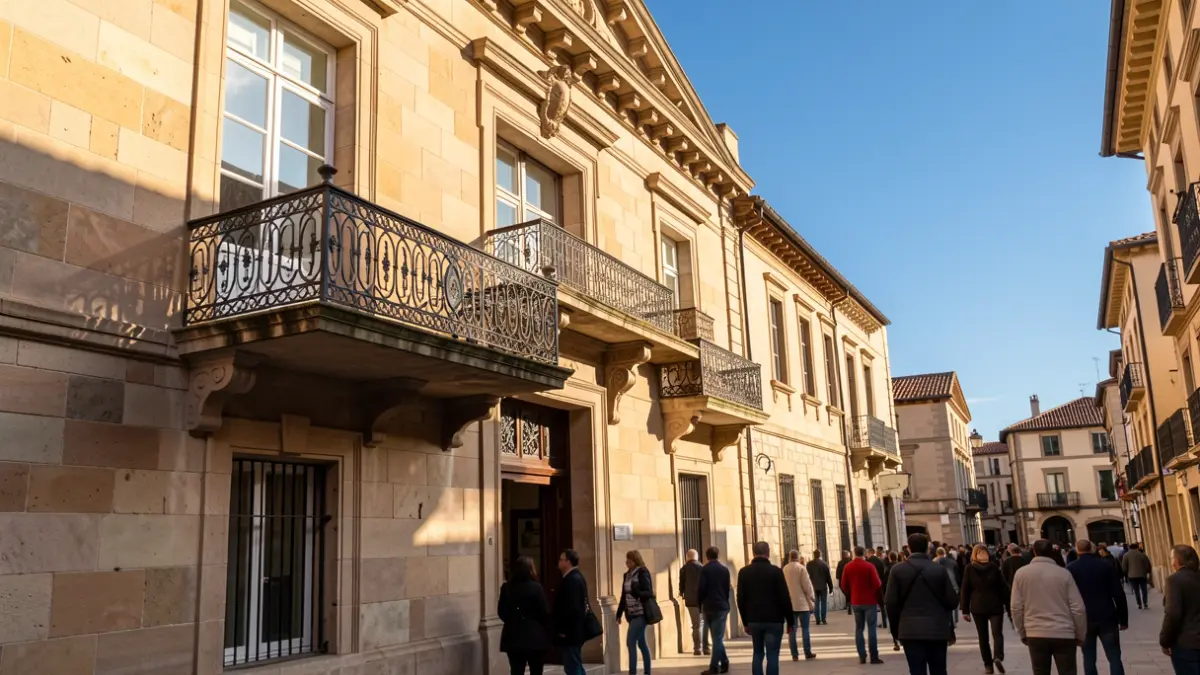
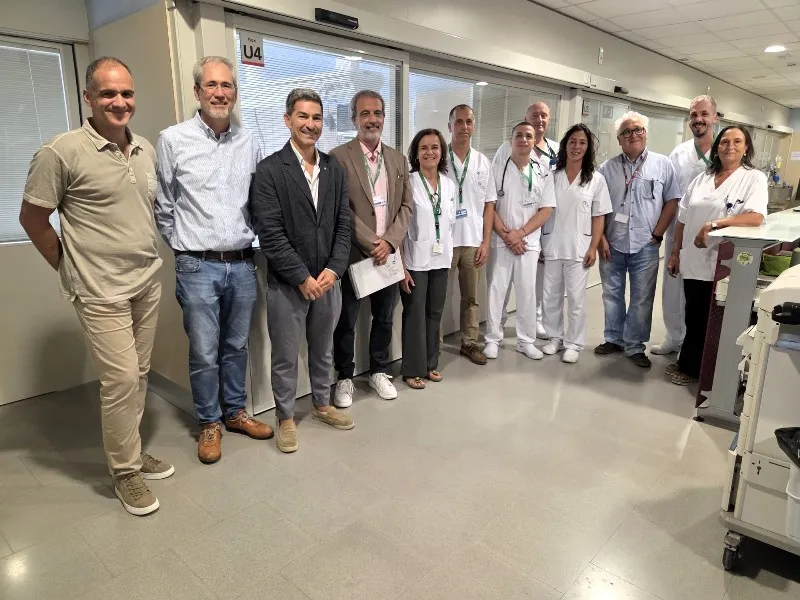
During the meeting, Minister Espadaler visited the town hall of Castelló d’Empúries, where he was received by the mayor, Anna Massot Font, and signed the guest book. He was accompanied by the Director of Territorial Services of Justice in Girona, Núria Gómez.