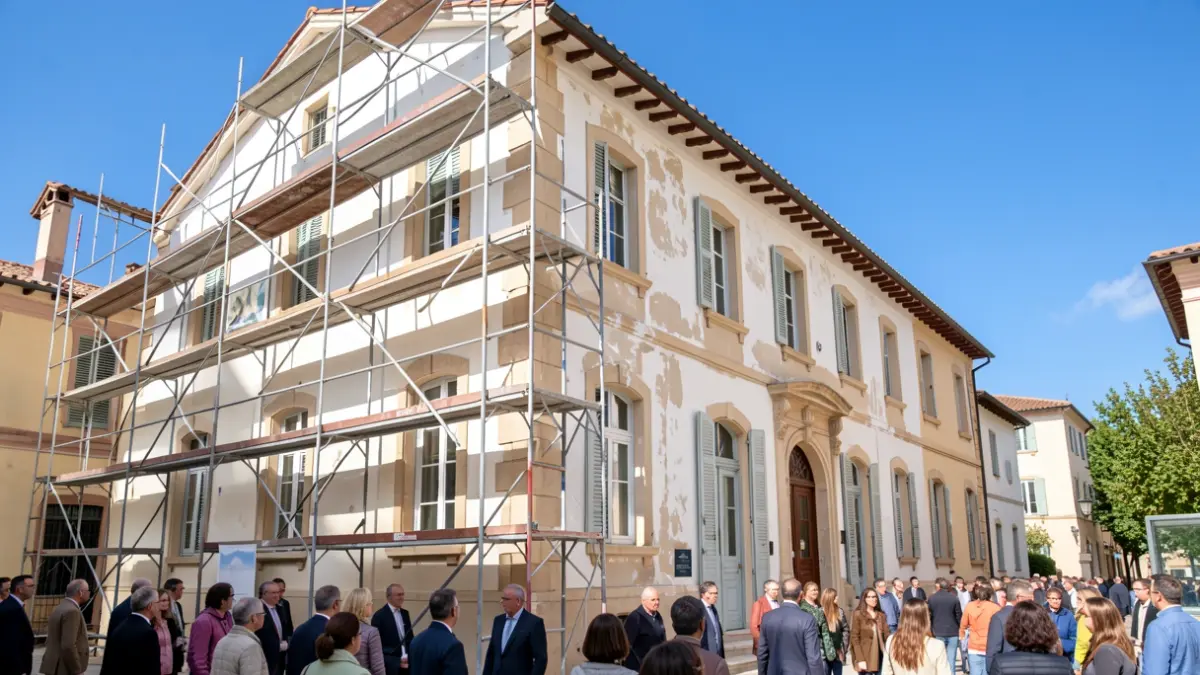
The municipal planning of Alella has been modified to ensure the preservation of the former cooperative building La Vinícola, located on Àngel Guimerà avenue, and its transformation into a public facility. Around this modernist building, 24 protected homes will be constructed, thus expanding the affordable housing offer in the municipality.
The owner of La Vinícola will cede the plot and the building to the City Council in exchange for permission to build 25 free-market homes on a site currently occupied by a car park in Can Calderó. These new homes will respect the established building parameters of the area.
The Minister of Territory, Housing, and Ecological Transition, Sílvia Paneque, positively assessed the operation, stating that "the economic viability of an operation is guaranteed which, ultimately, aims to protect the historical heritage of Alella, provide citizens with new quality facilities, and also offer housing, 40% of which will be protected".
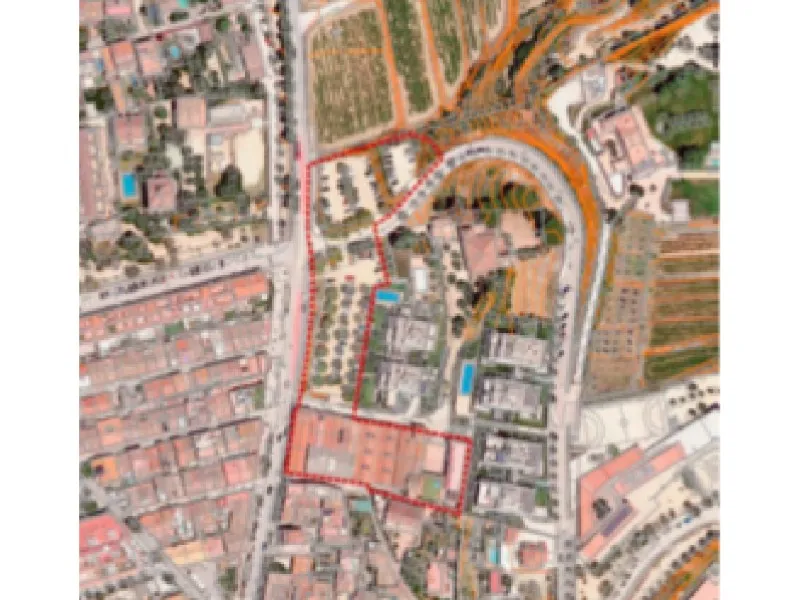
The planned uses for the La Vinícola plot include a community facility and the construction of the 24 protected homes, with a maximum height of ground floor plus two upper floors. A connecting pathway between Vi Marfil passage and Montserrat passage will also be created to improve urban connectivity.
The car park in Can Calderó, currently designated for technical services, will be reclassified as a multi-family housing zone for the 25 free-market homes. The height will be similar to existing buildings, with a ground floor, two upper floors, and a set-back attic, along with new public open spaces and roadways.