The mayor of Arenys de Mar, Estanis Fors, received the Senegalese representatives, led by Amadou Mame Diop, mayor of Richard Toll and former president of the National Assembly of Senegal. Also in attendance were the vice-rector of Gaston Berger University, the director of the Regional Development Agency (ARD) of Saint-Louis, and representatives from the MON3 Senegal association.
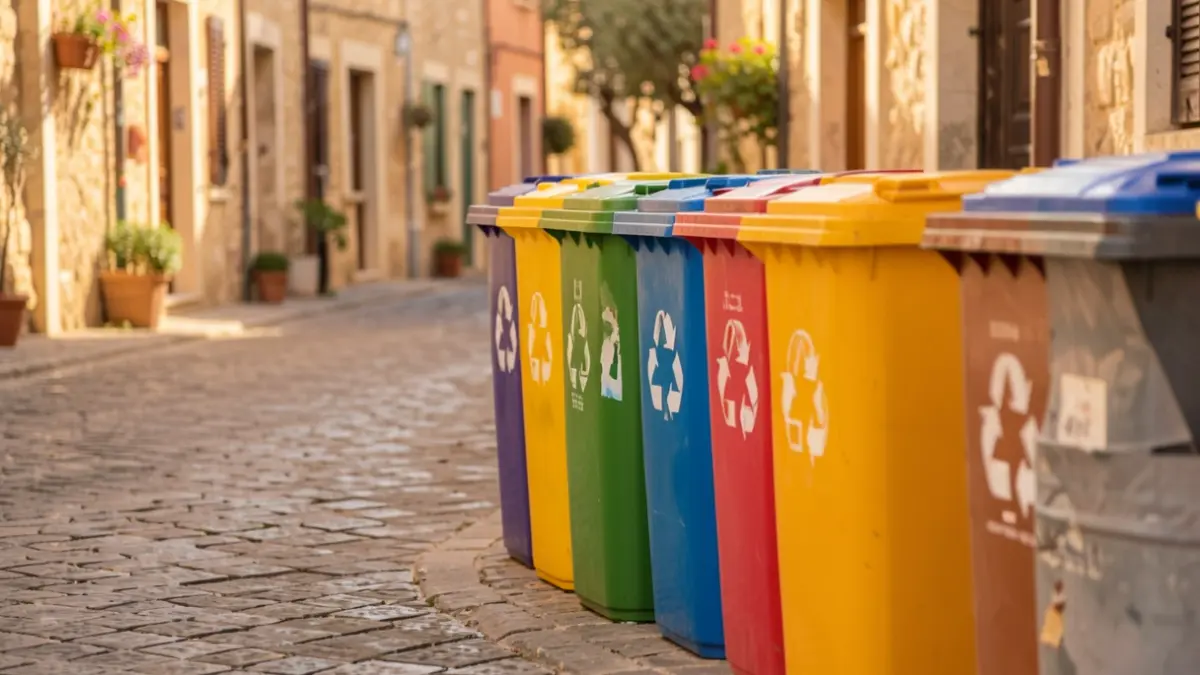
During the meeting, the Environmental Technician, Jordi Simó, explained the functioning of the selective waste collection system in Arenys de Mar. The evolution from its beginnings in 2005 to the present was detailed, highlighting the expansion of the door-to-door service, which has allowed achieving an 80% selective collection rate according to the latest data. The delegation learned about citizen participation mechanisms and municipal strategies to encourage waste separation.
The visitors toured the joint landfill with Arenys de Munt and Sant Iscle and travelled to the incineration plant in Mataró. The visit is part of the project «Good governance and citizen participation for a sustainable city in Richard Toll», resulting from the collaboration between the municipality of Richard Toll, the ARD of Saint-Louis, Gaston Berger University, MON3 Senegal, and the universities of Barcelona and Girona, with funding from the Catalan Agency for Development Cooperation (ACCD).