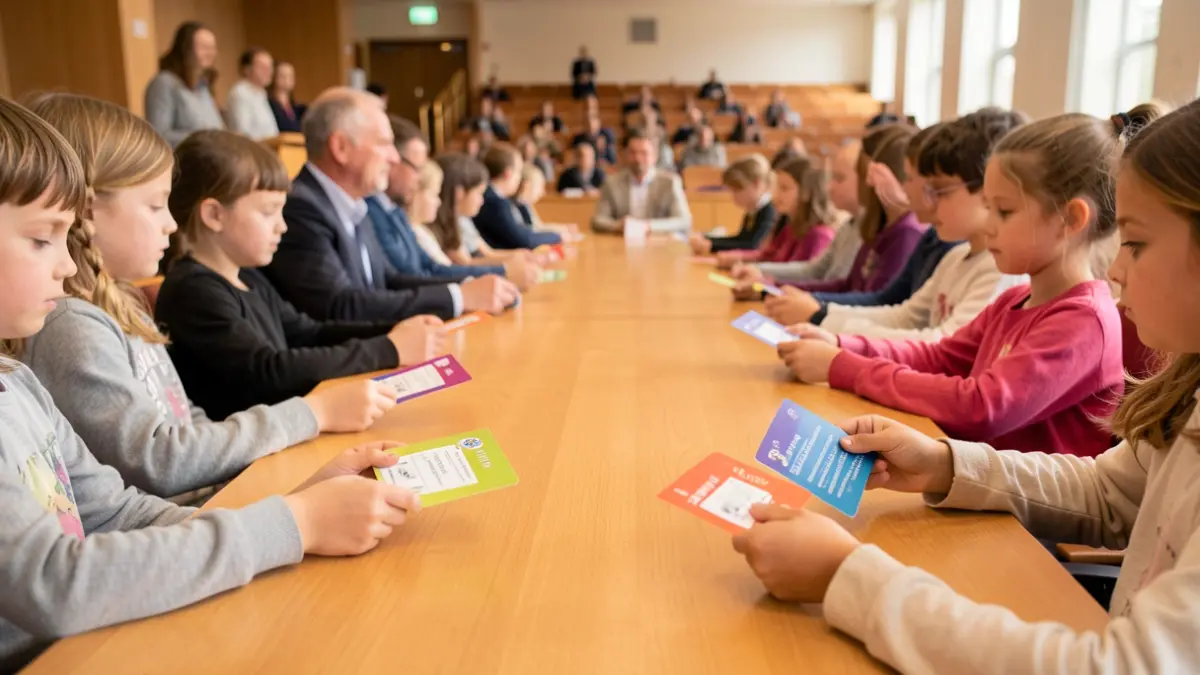
Historian Jordi Pomés presented the biography of Josep Fors Vidal, a pivotal figure in the cultural and educational development of Canet de Mar during the first third of the 20th century. The event, held at the Odèon Hall, featured speeches by mayor Pere Xirau and Conrad Blanch, Fors Vidal's grandson.
Fors Vidal, a textile manufacturer, was the driving force behind the Popular Library (inaugurated in 1919) and the Textile School (established at Can Muní in 1922), initiatives that brought culture and vocational training to the town's residents. Mayor Pere Xirau emphasized Fors's vision for "knowing what Canet needed and working to make it possible".
The presentation included a round table on Fors's political role, moderated by historian Arnau González Vilalta, with contributions from author Jordi Pomés and former ombudsman Rafael Ribó. The creation of the Montessori School, promoted by Fors when he was a councilor and which made Canet a pioneer of the method in Catalonia, was also discussed.
Fors Vidal served as a town councilor and president of the Patronat de Cultura between 1915 and 1923, a period during which he also promoted the Popular Library, one of the first in the Mancomunitat's network. He later became mayor of Canet from 1931 to 1934, championing social welfare initiatives.
After the Civil War, Fors went into exile in Prada de Conflent, where he collaborated with Pau Casals on cultural projects. The biography, published by Publicacions de l’Abadia de Montserrat, places these endeavors within the Noucentisme movement and its application in Canet.
With the Popular Library, many families in Canet had books more readily available. Likewise, with the Textile School, people who wanted to learn a textile trade could do so right here in town. Fors knew what Canet needed and worked to make it happen.
The event concluded with a musical performance by tenor Ricard Alonso, pianist Jordi Vilaprinyó, violinist Òscar Vilaprinyó, and cellist Anton Pomés.