The Canet de Mar Town Hall continues to seek solutions to minimize the impact of intense rainfall episodes in the municipality. The Councilor for Urban Planning, Lluís Llovet, detailed the drainage network's difficulties and studied actions at the Municipal Plenary session on October 15th.
Canet's complex orography, situated between mountain and sea, causes water to flow rapidly towards the lower parts of the municipality, particularly affecting the Lledoners stream, Maresme Avenue, and the Molí area. The problem is complex, and the aim is to reduce its effects.
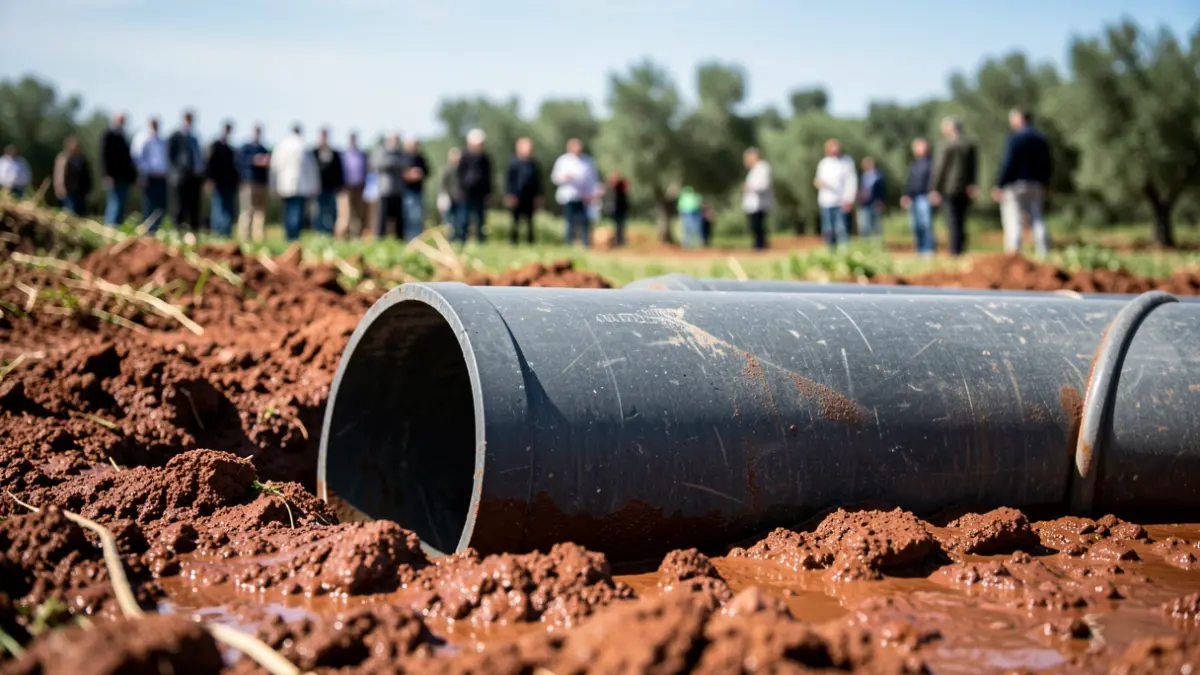
Three projects, pending processing and funding, have been drafted following studies with the Catalan Water Agency (ACA) and the Barcelona Provincial Council. These include the installation of underground culverts at Rial dels Oms (€220,000), the construction of a reservoir and infiltration systems at Plaça Lledoners (over €700,000), and an underground channeling in the lower section of the Lledoners torrent. The total investment is estimated at 1.1 million euros.
The goal is to bring these projects for approval soon and explore their inclusion in the 2027 budget, also seeking co-financing from the ACA. Llovet noted that the actions will reduce flow during normal rainfall but will not eliminate the risk during extraordinary downpours.
The future transformation of the N-II, promoted by the Generalitat de Catalunya, which plans to replace the Maresme Avenue underpass with a roundabout, will also involve modifications to the channeling systems. The Town Hall is in contact with the Department of Territory to coordinate these actions.
Another difficulty is the capacity of the regional interceptor collector along the Maritime Promenade, which can become saturated during intense rainfall. A previous renovation proposal, valued between four and five million euros, did not proceed due to disagreements between administrations.
The Town Hall will continue working with the competent administrations to improve the drainage system, combining new projects, coordination with the N-II, and the enhancement of the regional collector.