The presence of microplastics has become entrenched in aquatic ecosystems, with rivers being among the most damaged by human action. The ACA's goal is to map the situation for the first time in Catalonia, as hundreds of wetlands and natural areas across Spain already show worrying concentrations of this material.
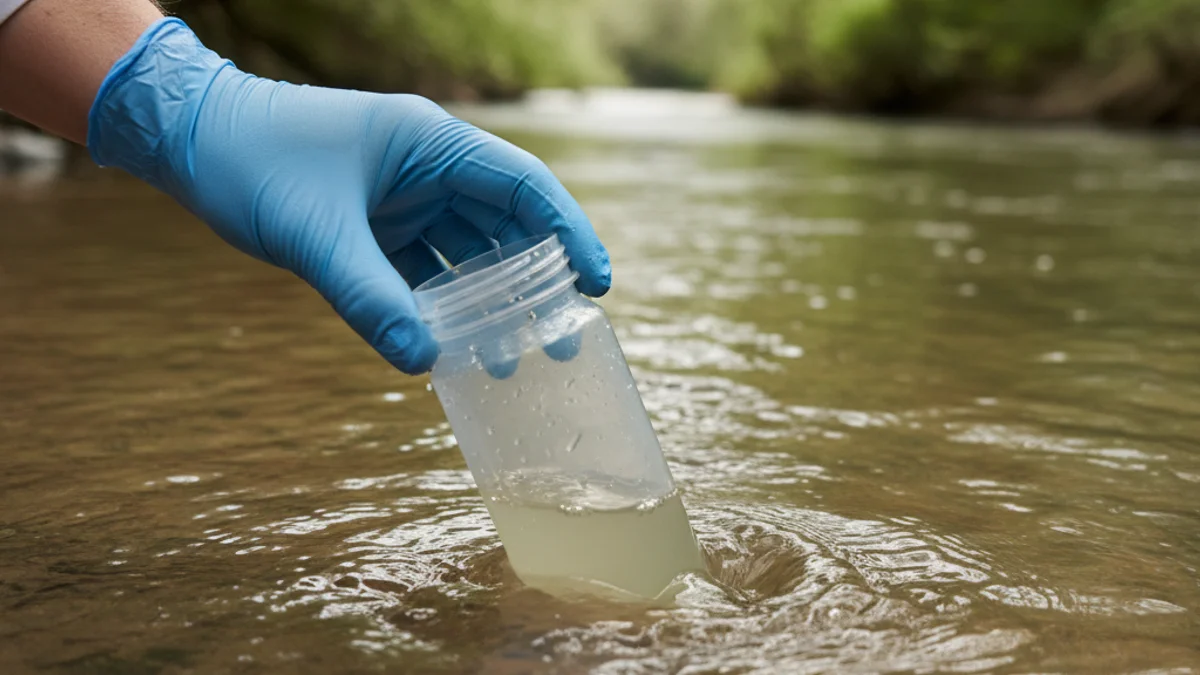
A total of 54 sampling points have been chosen in key river basins, including the Llobregat, the Ter, the Muga, the Tordera, the Fluvià, the Besòs, the Segre, and streams like the Rubí creek. The selected company must prioritize headwaters (areas with less external pressure) and zones near wastewater treatment plants to evaluate filter effectiveness.
“"Detecting microplastics in rivers is crucial, as these spaces function as highways capable of transporting contamination from cities and agricultural areas all the way to the sea."
The study will collect 123 samples during three campaigns lasting 14 months. Following analysis, final results are expected 23 months after the census begins. Researchers will look for synthetic polymer particles such as polyethylene, polypropylene, and polystyrene, ranging in size from 0.1 micrometers to 1.5 millimeters.
This initiative is framed by the new wastewater decree, which mandates the activation of more precise sanitation systems. The future objective is for nearly all purification stations to utilize tertiary treatments to leave the water in a “pre-potable” state before returning it to the river.