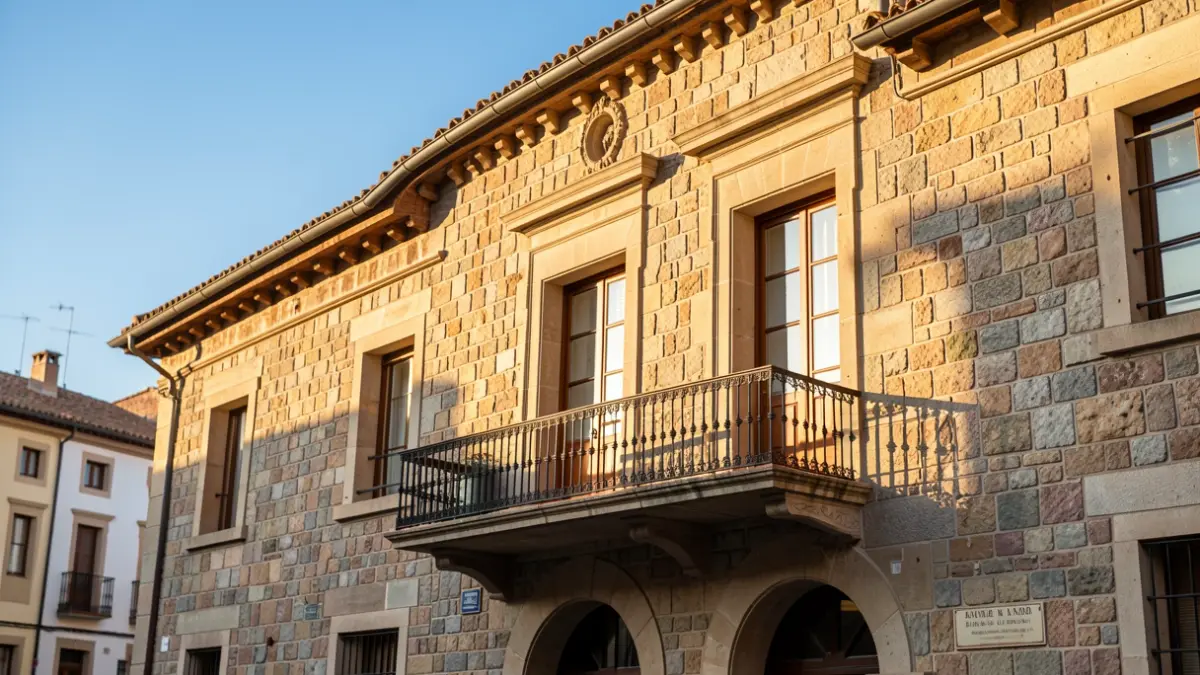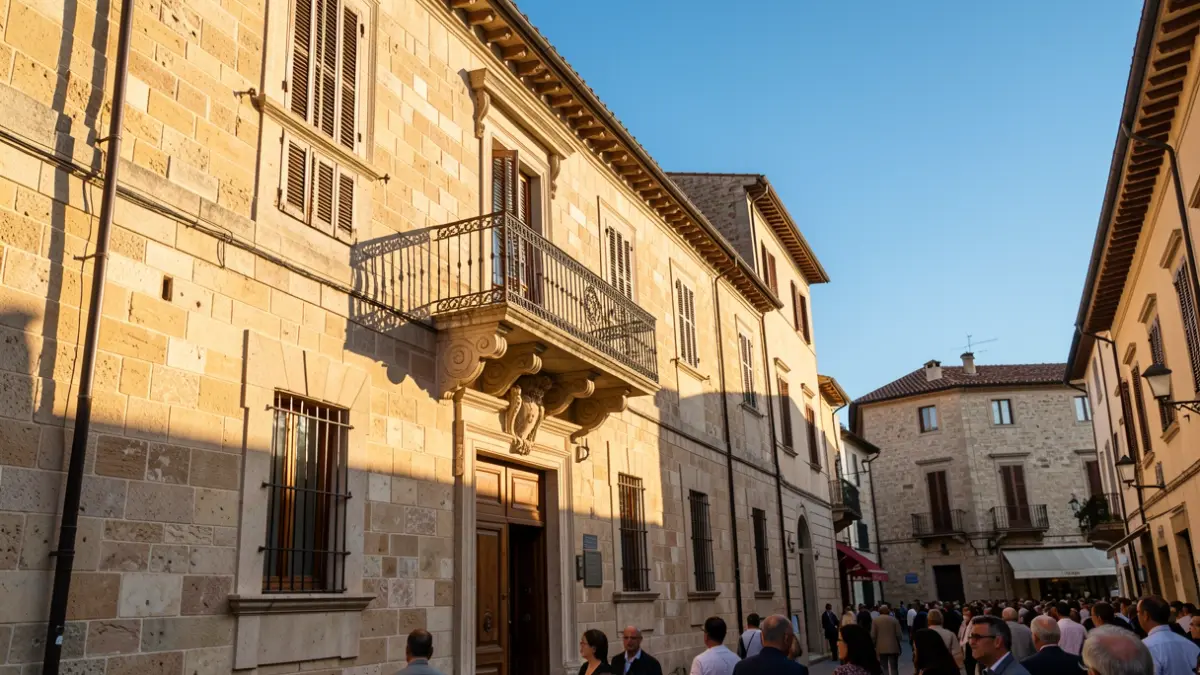
The extraordinary and urgent session of the Amposta City Council has approved the administrative concession expediente for the university building, also known as the municipal Auditorium. This approval is crucial for expanding the city's university offerings and preventing delays in future academic years.
The expediente includes the incorporation of the Degree in Dentistry and the public tender for interested universities to submit their proposals. Amposta will be the sole municipality in the Tarragona province to offer this program, complementing the health science studies currently provided by the Institut Ramon Berenguer IV.
The concession includes an investment exceeding one million euros to expand and adapt the building. In return, an annual fee of 71,000 euros is established, initially offset by the construction of the expansion, which will ultimately revert to the City Council's assets.
Mayor Adam Tomàs highlighted the administrative regularization of a situation that has been controversial since 2011. Esquerra voted in favor, while Junts per Amposta and two non-attached councilors abstained, and Som Amposta voted against.
“"It is a real shame that we have been paying all its expenses for 15 years, some illegally, and now we have to pay most of the building's construction."
German Ciscar (Som Amposta) criticized that the concessionary company has never paid and that the town covers electricity costs, announcing complaints to Antifraud and possibly the Prosecutor's Office.
Non-attached councilor Èric Esteban, while agreeing with the arrival of more university studies, questioned the economic conditions, noting that an investment of 1.5 million euros would mean 20 years without payment and 35 years without any contribution to municipal coffers.
Manel Ferré (Junts per Amposta) expressed the desire for Amposta to have Dentistry studies but called for a review of who covers utilities and taxes like the IBI.
The approval of the expediente initiates the tender process to execute the works and make the new university offering available for upcoming academic years.
The convocation of the extraordinary and urgent council meeting also drew criticism. Èric Esteban denounced the lack of time to study the documentation and the meeting being called during the local festivities, questioning the urgency of the matter.
Mayor Adam Tomàs defended the legality of the convocation, arguing that administrative activity does not cease due to festivities and that urgent sessions are intended for justified matters that cannot wait.