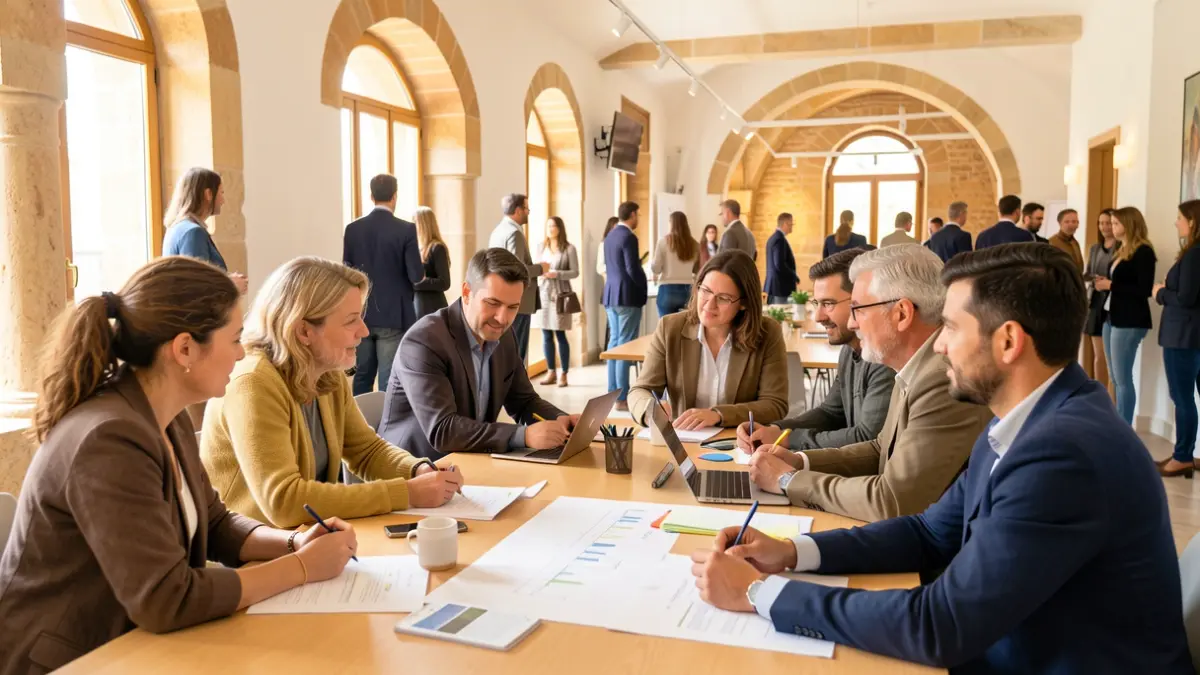
During the weekend event, two roundtables were held where technicians and administration representatives discussed current problems and potential solutions regarding the right to housing. It was emphasized that, despite being a universal right, housing is often seen as an opportunity for enrichment.
“"The Terres de l'Ebre are the new frontier of speculation. The cheaper you buy, the more profit you will make."
A spokesperson for the Barcelona Tenants' Union warned about the increase in speculation, indicating that six out of ten apartment purchases are made in cash. They highlighted that the Terres de l'Ebre are becoming a new focus for this practice.
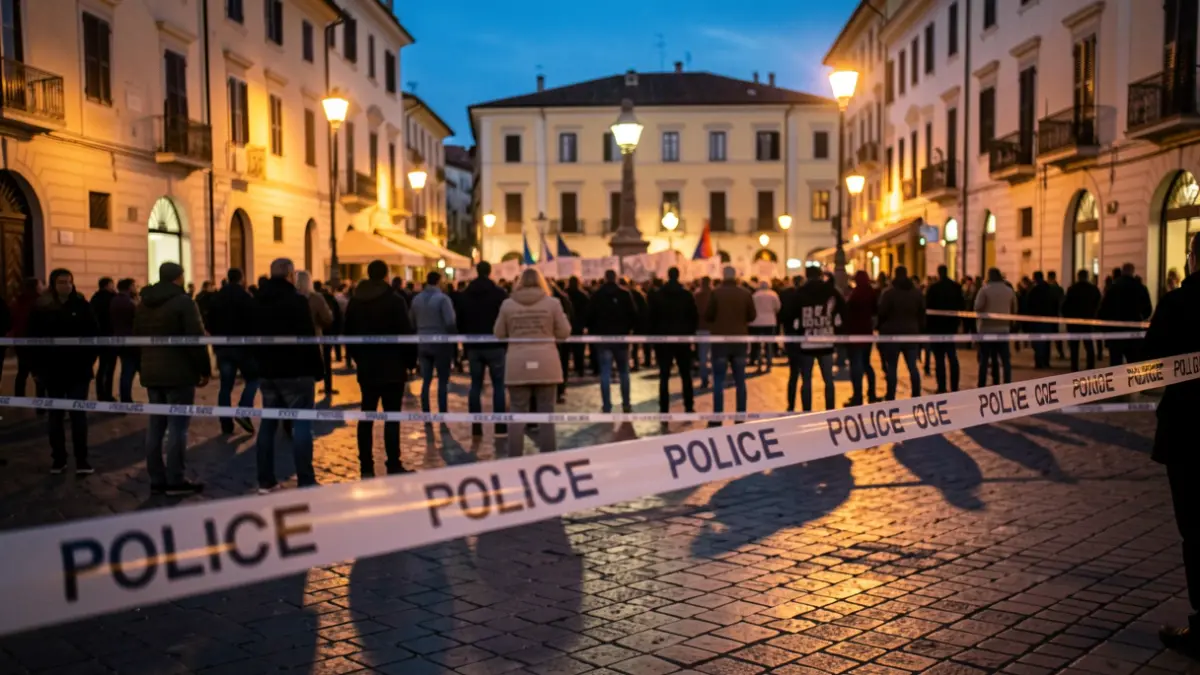
“"We have the strength, we have the keys, and therefore, we are staying."
The union advocates a resistance strategy to gain time and negotiate collectively, which has, in some cases, allowed administrations like the Amposta City Council to acquire homes on the verge of eviction for social use. Furthermore, the need to go beyond simply stopping evictions was stressed, seeking to reduce rental prices and apply sanctions to mobilize vacant housing.
The technical coordinator of the Network of Municipalities for the Social and Solidarity Economy advocated for the transition from being mere consumers of rental housing to being managers of one's own roof. She proposed models such as cooperatives with use assignment and urban sharecropping to combat rental instability. She also highlighted the crucial role of city councils in promoting policies with social values, such as non-profit and fair prices, through land cession, regulatory approval, subsidies, loans, tax breaks, citizen awareness, and mediation with property owners.
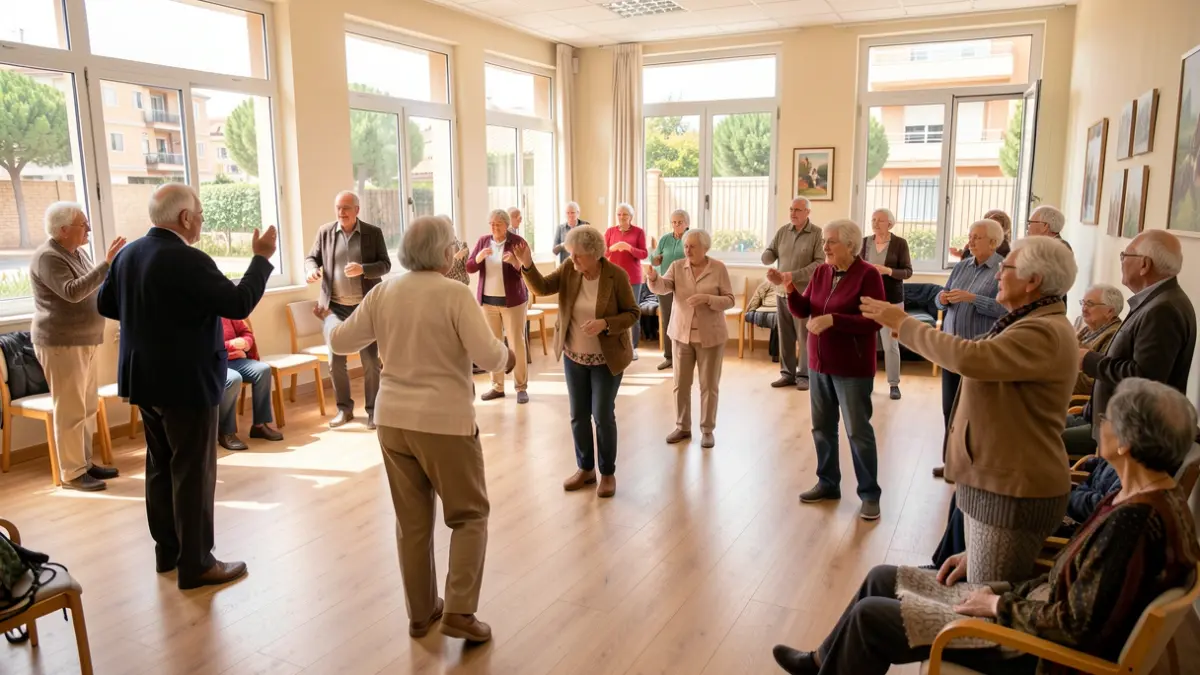
Municipal representatives, the mayor of Ulldecona and the councilor for Social Rights and Citizenship of the Amposta City Council, detailed the difficulties they face in housing management, such as limited competencies, lack of technical and economic resources, dependence on other administrations, and slow bureaucracy. Despite this, they have promoted initiatives to increase public housing through rehabilitation, purchase, and the promotion of cooperatives for the elderly.
An architect explained that a pilot project of urban sharecropping will be implemented in Tortosa, where an owner cedes their property in exchange for the tenant renovating it, with the aim of evaluating the model's replicability. The attending public also pointed out other issues, such as real estate racism and the lack of adaptation for people with disabilities.
The Àgora is consolidating as a space for reflection and collective action to address the challenges of the territory through cooperation and rootedness, defending the right to live with dignity in one's place of origin under the slogan #dretaquedarse.