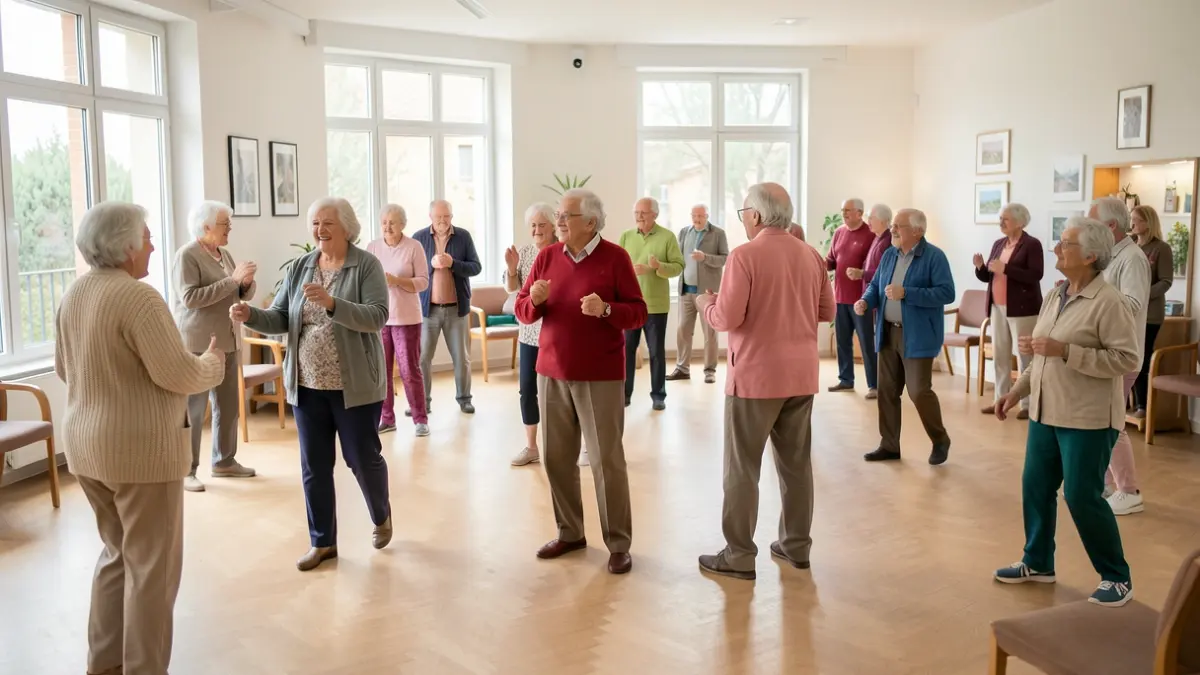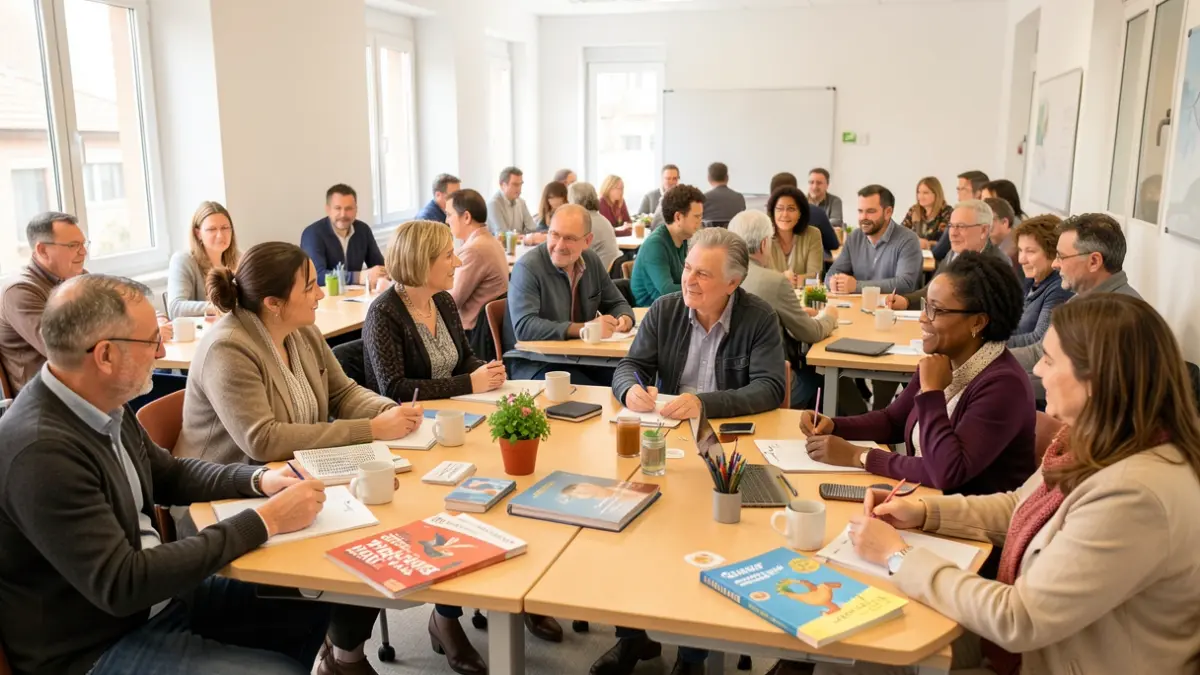
The Integration and Welcome Service of the Osona Regional Council, in collaboration with the Traça Training Centre and supported by the Department of Linguistic Policy of the Generalitat de Catalunya, has launched the Integration Courses for newly arrived foreign residents for the 2026/2027 academic year.
This year, the training offer has been expanded to include 10 courses across 6 municipalities: Centelles, Roda de Ter (with 3 courses), Sant Hipòlit de Voltregà, Calldetenes, Sant Pere de Torelló, and Sant Quirze de Besora. Additionally, two courses from the Virtual Welcome Classroom (AVA), one in the morning and one in the afternoon, cater to students from 13 different municipalities.
Enrollment has been highly successful, with 140 migrants from 29 nationalities participating. The countries with the highest representation are Morocco (38.71%), Colombia (12.26%), Ghana (8.39%), Venezuela (5.16%), and Senegal (4.52%). The student profile indicates that 68% are women, 29% arrived in Osona this year, and 66% within the last three years. 64% have secondary education and 21% have university studies, with ages ranging from 17 to 67.
The ten courses, running from September to May with a duration of 108 hours, cover four modules: initial Catalan, basic Catalan, labor knowledge (in collaboration with the SOC), and knowledge of Catalan society and its legal framework.
Political representatives from local municipalities attended the course launch, including the mayor of Calldetenes, Miquel Riera; the councilor for Linguistic Normalization of Centelles, Albert Reixach; the mayor and councilor for Social Services of Sant Pere de Torelló, Jordi Fàbrega and Quim Fité; and the councilor for Interculturality of Sant Quirze de Besora, Cristina Oteiza.
Also participating were the head of the Integration and Welcome Service, Mireia Rosés, and the welcome technician, Arnau Codina. The Service's counselor, Txevi Rovira, encouraged students to practice Catalan.
These courses facilitate integration, enhance autonomy, and serve as a crucial social and community support space for newcomers to Osona. They are supported by the respective town councils, the Department of Linguistic Policy, and the Directorate General for Migration and Refuge of the Generalitat de Catalunya.
The importance of these courses is particularly highlighted in the context of extraordinary regularization processes and for the renewal of residence and work permits planned for 2027, serving as a key element for the integration effort report.
The Virtual Welcome Classroom (AVA) is being expanded with a second afternoon course to meet high demand and reach individuals in smaller municipalities, caregivers, or those with non-traditional schedules. Currently, the morning AVA has 9 registered students, and the afternoon AVA has 12, from 13 municipalities across the region.
Although the courses have already begun, interested individuals can still register through the provided form to receive information about the course best suited to their profile.