The European REHUBBS project aims to help rural areas prevent extreme episodes such as droughts or floods, using technology to improve territorial resilience. Manlleu has been selected as a case study due to its vulnerability and the possibility of scaling the model to other similar municipalities.
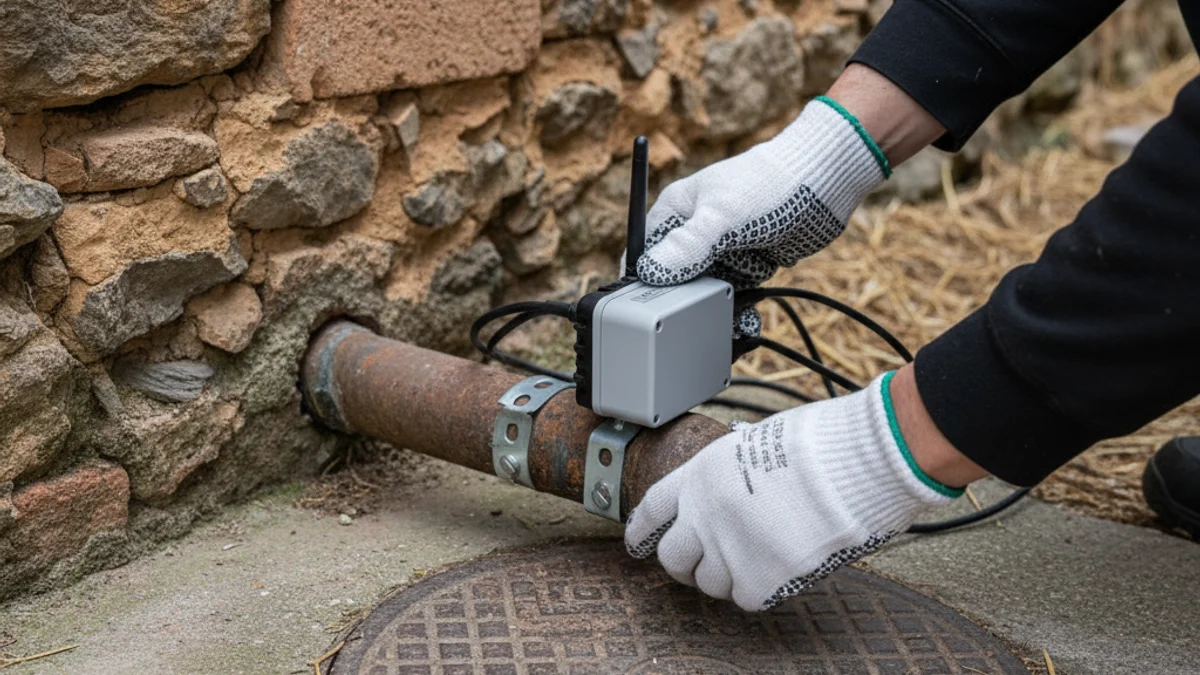
The initiative is being developed in collaboration with the Polytechnic University of Catalonia (UPC) and the company Veolia. This alliance will allow the installation of advanced sensors in the municipality's water and sewage network to monitor flow and levels.
The goal is for the data collected in Manlleu to be used to create a scalable and replicable model in other rural areas facing similar challenges in water management and climate change.
All data collected by the sensors will be accessible on the local government's Smart City platform. This information will be crucial for creating detailed risk maps and developing early warning systems, facilitating quick and informed decision-making.