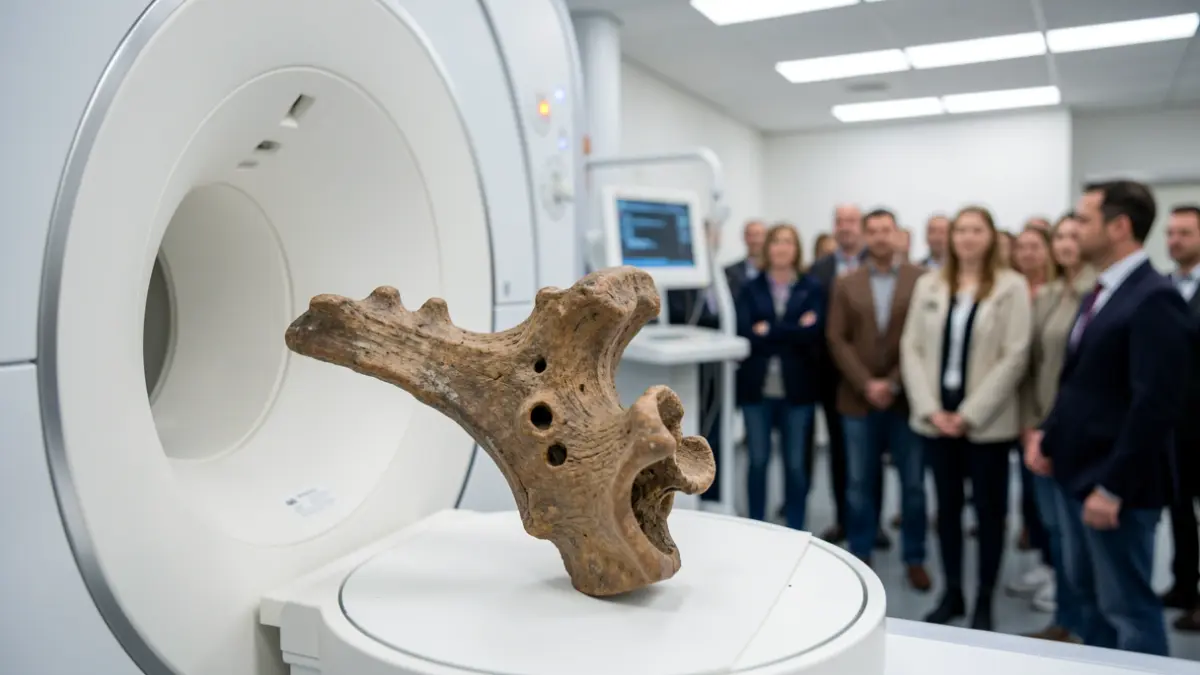
The specimen belongs to an Abditosaurus kuehnei, a long-necked sauropod that inhabited the Pyrenees approximately 70 million years ago. This scientific partnership aims to analyze the internal composition and structure of the bones of this specimen, known as the last giant of the Pyrenees.
According to Bernat Vila, an ICP researcher, the goal is to understand the pneumaticity of the bones, meaning the presence of holes and cavities that might have contributed to the skeleton's lightness despite the dinosaur's large size. The CT scan results are expected to provide valuable insights into how these creatures achieved such considerable dimensions.
This study is part of a broader project titled Evolution and paleobiology of herbivorous dinosaurs in late Cretaceous ecosystems. The research is funded by the Spanish government's Ministry of Science, Innovation and Universities and the Department of Culture of the Generalitat de Catalunya.
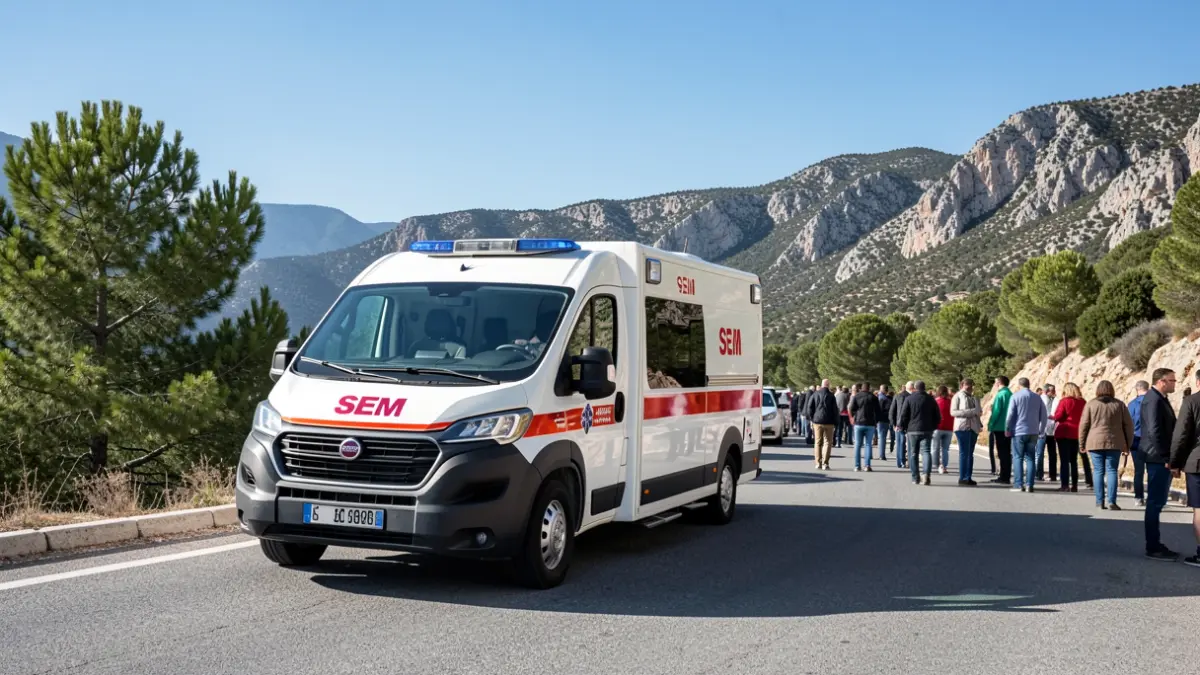
This is not the first time the Hospital del Pallars has performed such analyses on fossils. Previously, an attempt was made to scan a sediment block containing cranial bones, but the results were inconclusive. The team is optimistic that this time, without sediment interference, more precise data will be obtained, potentially paving the way for future examinations of other skeletal parts, such as ribs.