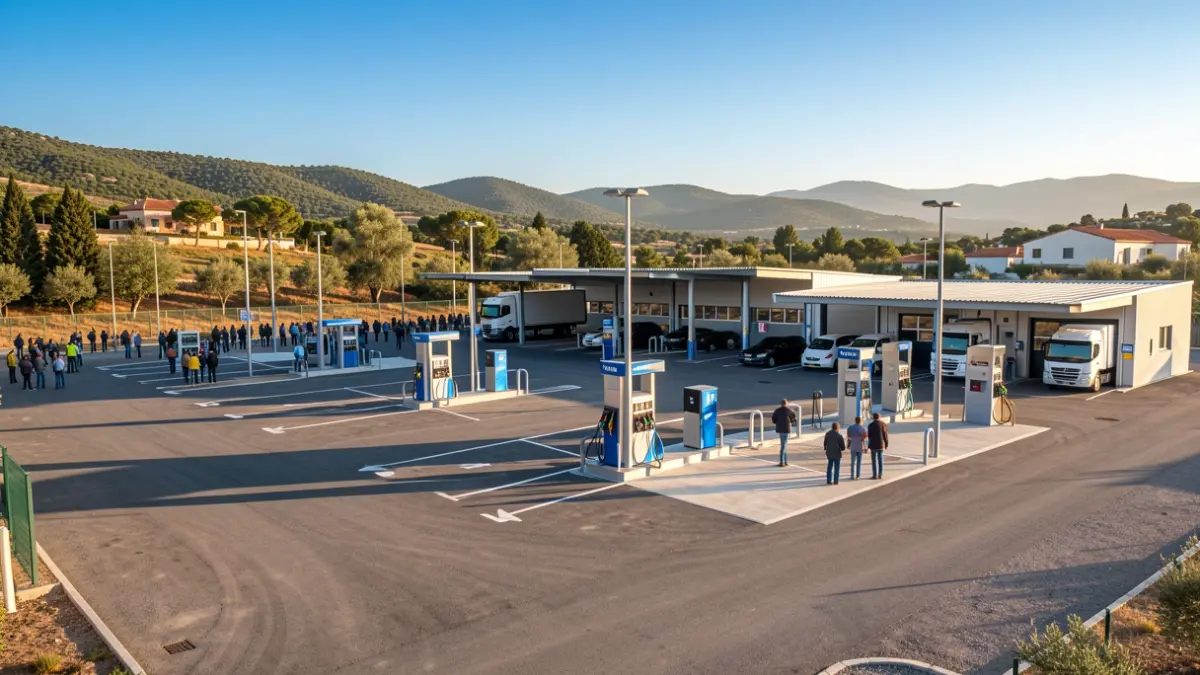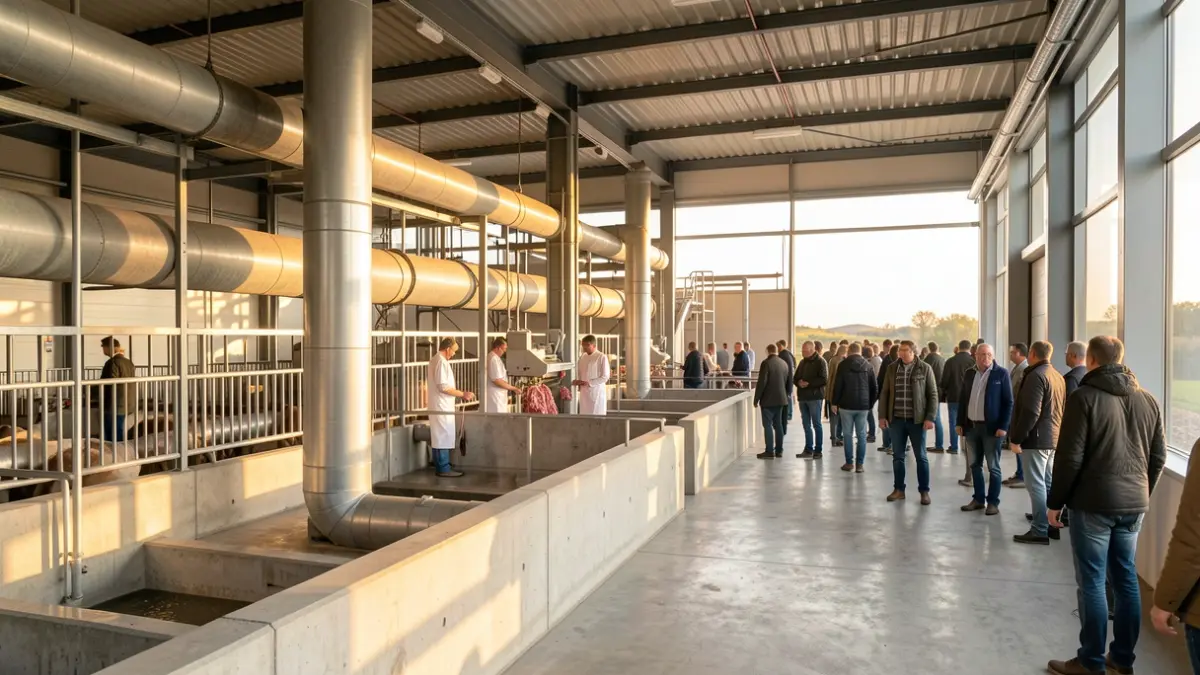
The town of Sort hosted this Friday the inauguration of the new Cutting Room and a cleaning point for animal transport vehicles. These infrastructures, the result of a long-standing sector demand, are designed to complete the meat production value chain in Pallars.
With these facilities, livestock farms in Pallars Sobirà will be able to carry out slaughtering, cutting, processing, and packaging of meat within the same region. The goal is to facilitate direct sales or sales through collective projects, thereby boosting the local economy.
The inaugural event was attended by the Minister of Agriculture, Òscar Ordeig; the mayor of Sort, Baldo Farré; the Director General of Agri-food Businesses, Joan Gòdia; the Cooperative's president, Montse Laguia, and other institutional and sector representatives.
During the speeches, the importance of these works for economic development, sustainability, and the continuity of mountain farming was highlighted. Minister Ordeig announced new aid lines for 2027 aimed at covering the daily operation of these facilities, advocating for the need for a network of small-capacity slaughterhouses and cutting rooms across the country.
Mayor Farré emphasized that the agri-food sector must be one of the strategic pillars of the region. The management of the Cutting Room and the cleaning point falls to the Pallars Agrarian and Livestock Cooperative, which has been managing the municipal slaughterhouse for over 15 years.
In other news, Minister Ordeig met with owners of two farms affected by a sanitary culling due to tuberculosis infections, which required the slaughter of over 200 heads of cattle. The minister expressed his support for the farmers, describing the situation as "very traumatic" and assuring that those affected would be accompanied with compensation and aid to recover productive potential, in addition to proposing a shock plan to reduce game fauna.