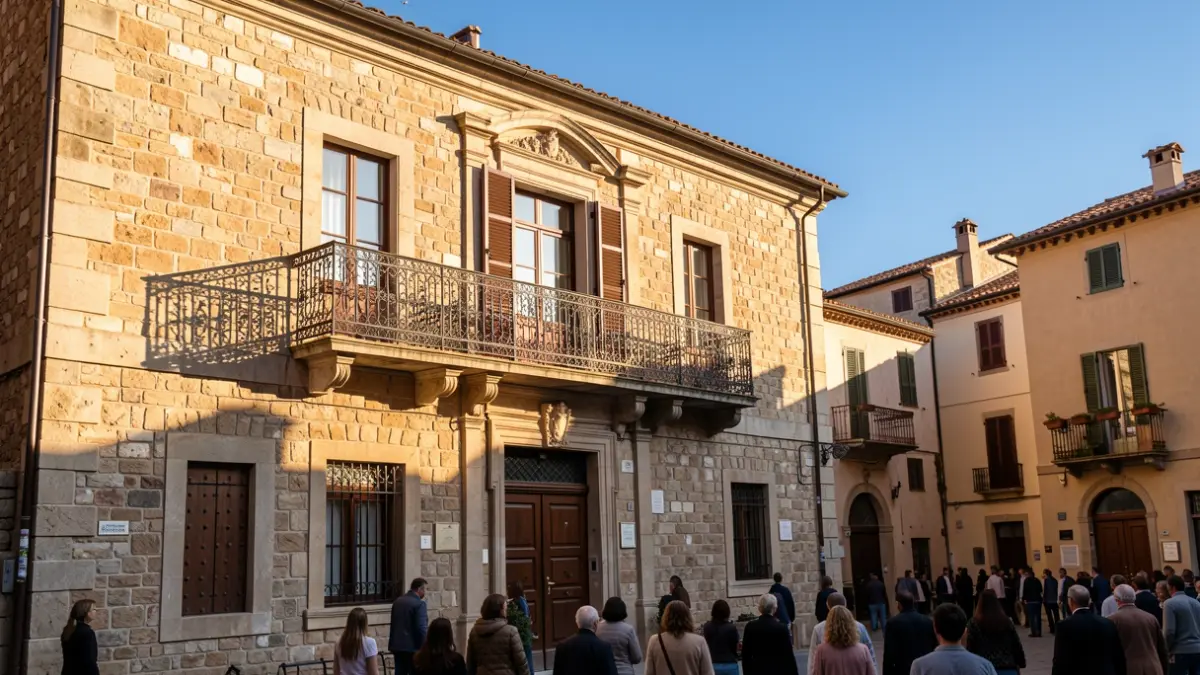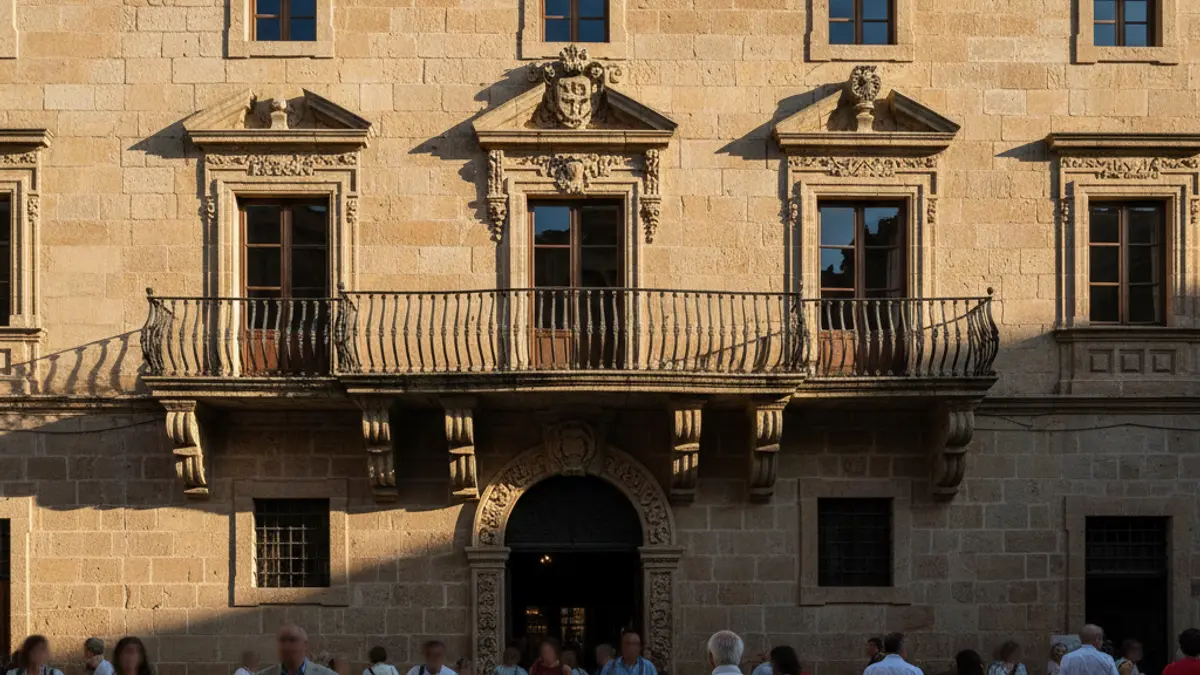
This initiative seeks to preserve the traditional character of the town and its surroundings, considering the urban landscape as a collective asset of social interest. The regulation establishes a specific chromatic range that all buildings in the municipality must follow, with the possibility of sanctions in case of non-compliance.
Falset, the capital of Priorat with 2,892 inhabitants, stands out for its old town, which retains the charm of a historic village with a rich wine culture. The arcaded square of La Quartera and the church of Santa Maria are central elements of this environment, surrounded by mountains and home to the Montsant and Priorat designations of origin.
The ordinance includes a color chart, the result of a chromatic study and the municipal color plan. This regulatory tool distinguishes between main colors, intended to cover the entire facade, and secondary colors for elements such as cornices or slabs. However, the combination of colors is not random; it requires the submission of a plan with the proposed shades for approval by the territorial services of the town council.
For buildings located outside the Antic Urbà and Eixample areas, the regulation requires colors that integrate with the surroundings, such as earthy tones, prohibiting white and bright or striking colors. The main color chart includes soft browns, pale oranges, beige, cream, sand, and ocher yellow. Secondary colors are greenish-gray, pale green, soft bluish-gray, and light lavender blue. Traditional unpainted lime mortar is also permitted. In the industrial zone, earthy colors and unpainted precast concrete are allowed.
Non-compliance with this ordinance may lead to the initiation of urban legality protection files, with corresponding sanctions and fines, and the obligation to correct the applied facade color.