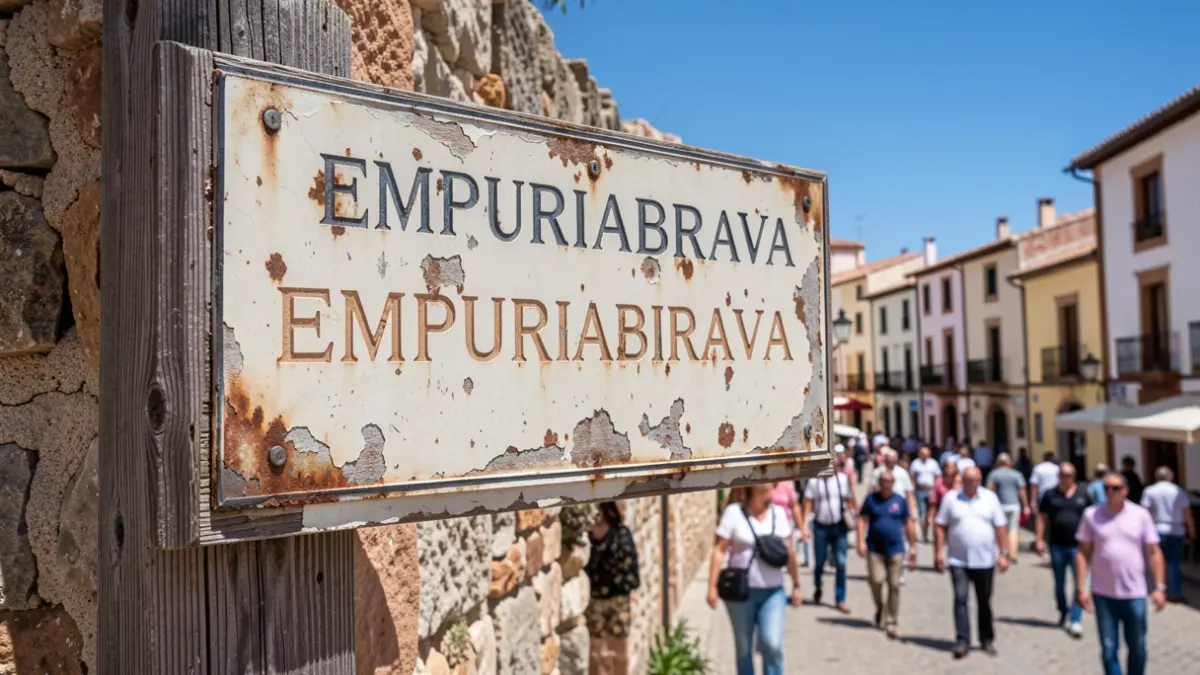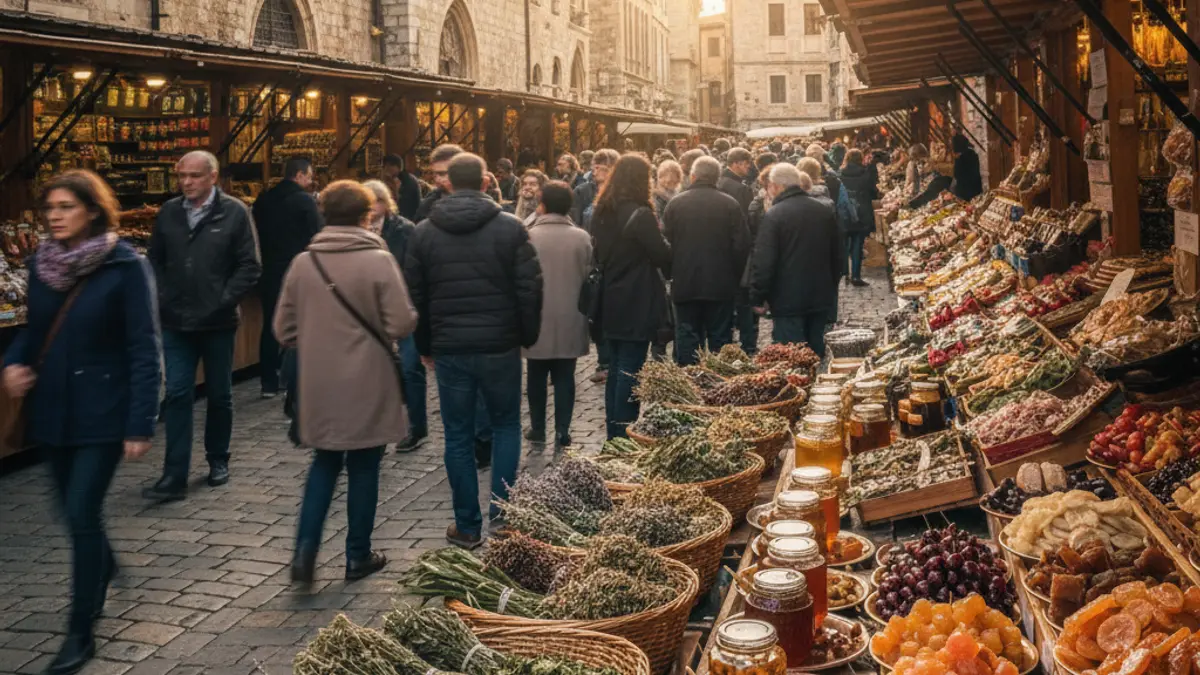
Every May 11, Barcelona's Hospital street fills with the aromas of rosemary, thyme, honey, and candied fruit with the celebration of the Sant Ponç Fair. This edition brings together about fifty stalls between Plaça de Sant Agustí and La Rambla, offering medicinal herbs, bouquets, and products that many shoppers seek out year after year, maintaining a link with a tradition dating back to medieval herbalists and beekeepers.
Despite retaining its traditional appearance, several vendors point out that the fair has lost the scale of previous years. They recall times when there were stalls on both sides of the street, more presence of herbs, and more intense activity. Currently, there are sections without stalls, logistical difficulties for setup, a notable change in the public's profile, and uncertain generational succession. Nevertheless, the event continues to attract loyal customers, regular neighbors, and curious visitors.
A beekeeper with 35 years of experience at the fair, owner of Mel Pallars, emphasizes the importance of direct sales to survive in the sector. He explains that wholesale honey has never been profitable and that consumers increasingly value product proximity. However, the beekeeping sector faces growing challenges due to climate change and rising production costs, with a worrying decline in bees and more irregular production.
“"Bees are in decline. Half of the hives die each year. It's a problem; beekeeping will practically end up at zero."
An herbalist, returning to the fair with his Ona Mare Terra stall after the pandemic, highlights the importance of the Sant Ponç Fair as a mythical event for his trade. He observes a more diverse public, with customers who have extensive knowledge of herbs and others who approach with many doubts. He advocates for the union between traditional and conventional medicine, emphasizing the role of infusions for everyday problems and reducing unnecessary drug use.
From L'apotecari, another business present since 2018, a change in the approach to herbalism is noted. While previously very conscious people came, now the public comes more to spend the day, as if it were a party. They lament the loss of popular knowledge about plants, although they positively evaluate the first hours of the day. A proprietor of Codonyeria Maria, 66 years old with 56 years of fair experience, recalls a much more intense fair and laments the loss of traditional elements, although the public still remembers the celebration.
The sale of candied fruit also has its place, with a stall that has a decades-long family connection to Hospital street. Its managers distinguish between the public that only looks and those who buy, the latter being mainly elderly people or children buying for their parents. Suppliers like Conservas Vilamajor, who have supplied candied fruit for 45 years, confirm the loss of many stalls due to a lack of generational succession, although the fair remains important for annual turnover and product visibility.