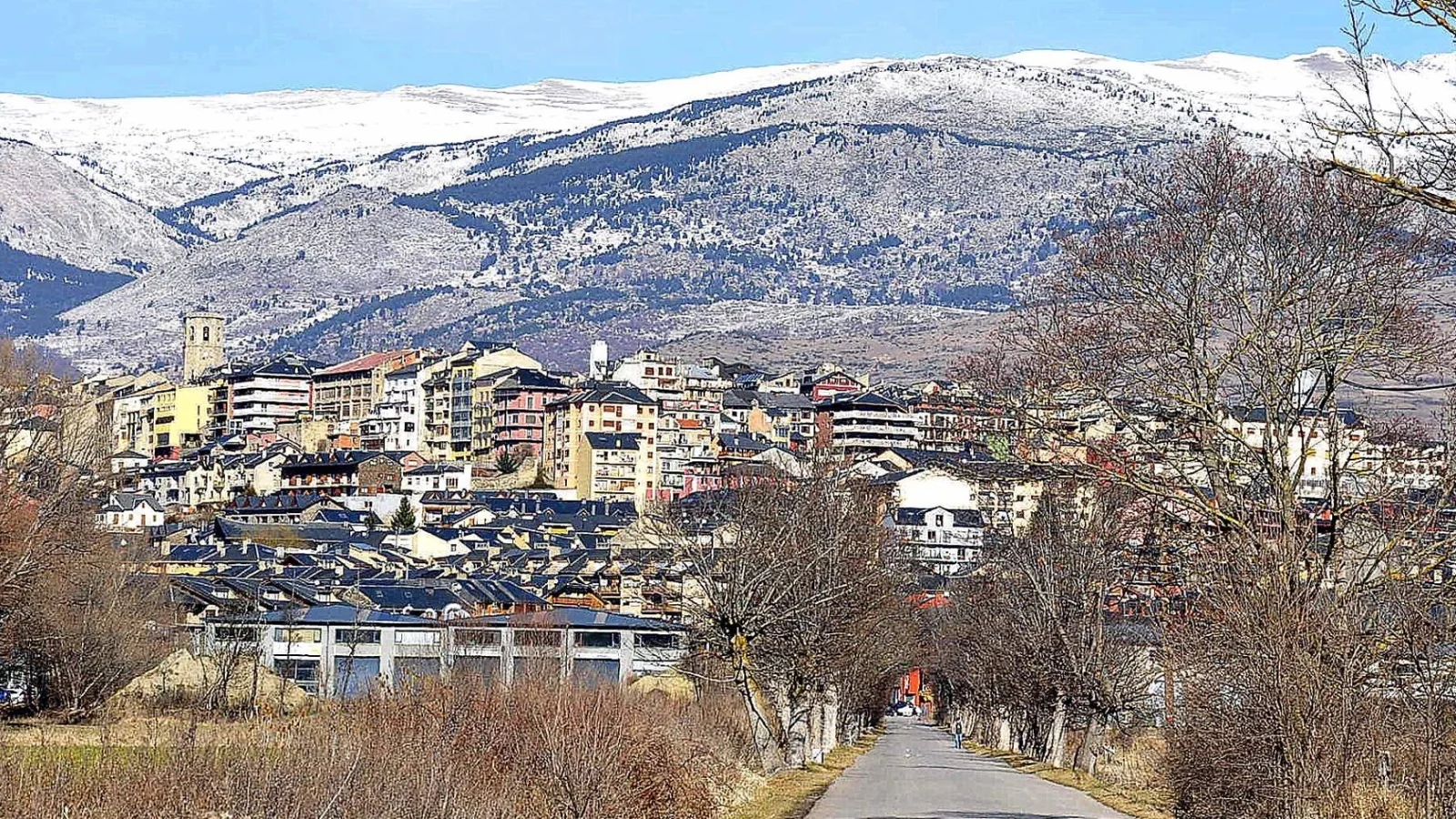
The town councils of Móra la Nova and Falset have voiced their discontent over the lack of communication regarding the reopening of the R15 line, which connects the inland regions of Tarragona with Barcelona. Since late January, the service has been interrupted in the section between Riba-roja d'Ebre and Reus due to infrastructure problems. The mayors have announced that they will form a common front to demand immediate solutions and guarantee citizens' right to efficient public transport.
“"We have no official news whatsoever, not a single one."
Jesús Àlvarez, mayor of Móra la Nova, added that they do not know "neither the execution deadlines for the works nor what phase they are in." He emphasized that for almost three months, users have not had access to trains to travel to Barcelona, Reus, or Tarragona, having to resort to buses with the consequent "odysseys." He described the current journey as an "ordeal" that includes bus trips to Reus, a train to Sant Vicenç de Calders, and another bus to reach the Catalan capital.
“"People have to consider whether it is ultimately worthwhile for them to live in rural municipalities like ours. People cannot waste their lives spending three or four hours on platforms or at train stations."
Brull highlighted that this situation generates "uncertainty" and does not help combat rural depopulation. He recalled that local leaders from Priorat, Terra Alta, and Ribera d'Ebre have been warning for decades about the "poor maintenance" of this line, which is the only railway connection for these regions. Àlvarez admitted concern about having reached a "point of no return," despite being understanding of the need for improvement works, but without comprehending the current "limit situation."
The alternative road services provided by Renfe are considered insufficient by Falset. Although buses allow travel on weekdays, they are slower. On Sundays, the lack of alternatives led the town council to contract a bus, the cost of which will be covered by the Department of Territory. This free service, with a capacity for 71 passengers, departs from Falset at 6:00 PM, passes through Reus and Tarragona, and arrives in Barcelona at 8:30 PM, returning afterwards to Priorat.
In Móra la Nova, the degradation of the station's surroundings forces users to move to Plaça Sant Jordi. Mayor Àlvarez lamented the state of the station, stating that it "is a shame" and that the town council has had to intervene in cleaning, despite it not being their responsibility. He expressed his hope that, once the actions are completed, the service will resume with the frequencies and dignified travel times of before, recalling that "formerly, there were four trains going to Barcelona in the morning and four to Zaragoza, and in the afternoon four returning."
Àlvarez announced the creation of an institutional front with the mayors of Ribera d'Ebre, Terra Alta, and Priorat to defend the interests of their inhabitants and demand solutions, as well as clear information on the deadlines for the works and the resumption of the service.
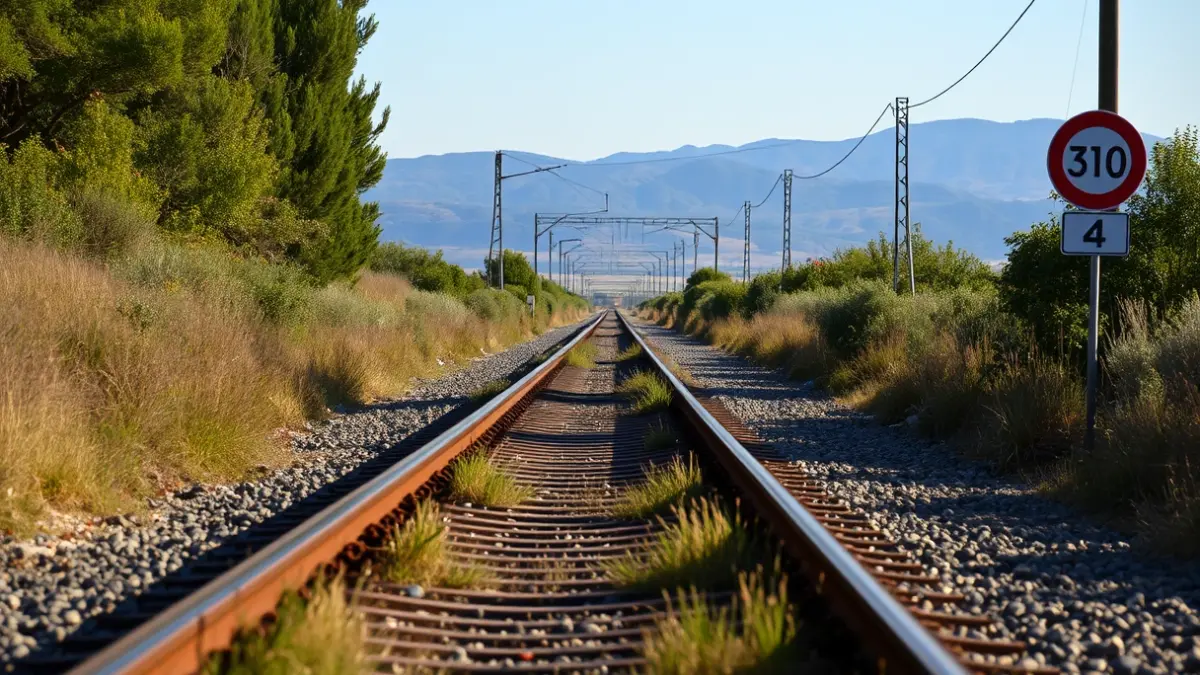
Adif clarified that, although R15 trains do not run with passengers, the track is open to freight traffic, with temporary speed limits. Currently, nineteen sections (20.2 km of the total 72 km between Riba-roja d'Ebre and Reus) have a maximum speed of 30 km/h. This situation, which began in late January and peaked in early February with limitations throughout the route, led Renfe drivers to refuse to operate with passengers due to the slowness of the service.
Adif sources detailed that the works focus on repairing embankments and slopes in four sectors. Regarding the completion of the works, they referred to the statements of the Minister of Transport, Óscar Puente, who on April 7 in the Senate stated that by June all temporary speed limitations caused by storm Harry in late January, which triggered the railway crisis in Catalonia, would be eliminated.