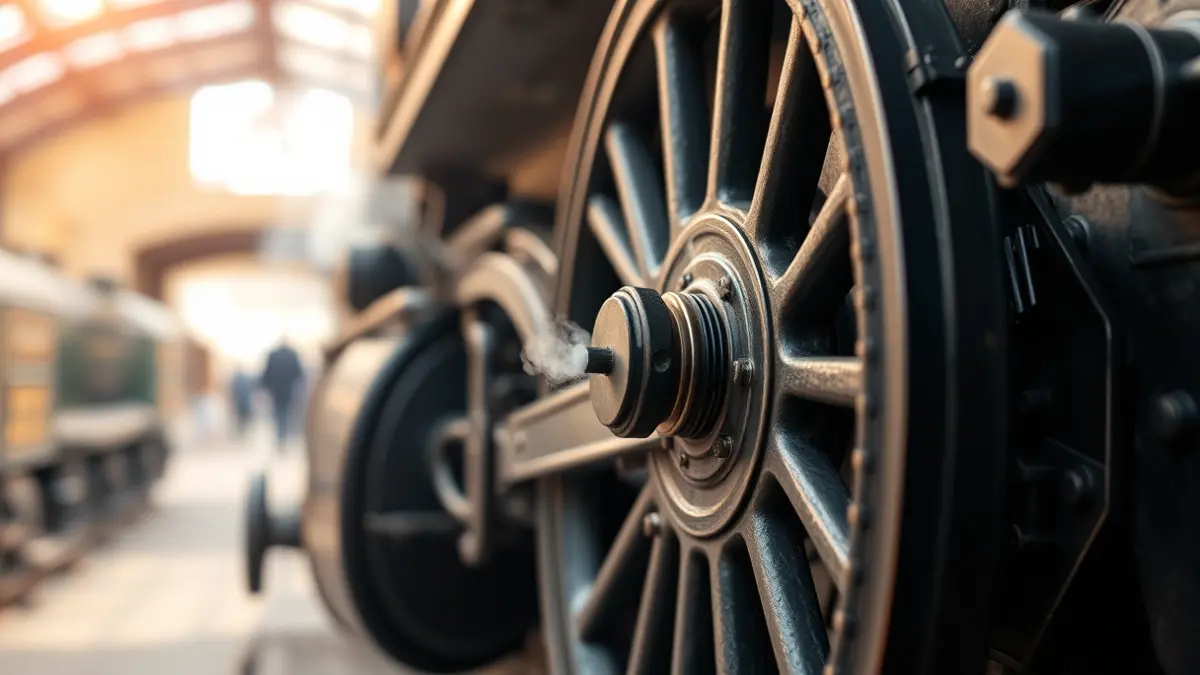
This unique proposal in the Iberian Peninsula allows attendees to board and interact with restored railway machinery, transforming the museum into a “living” space. The goal is to convey railway history in an empathetic and experiential way, as explained by the facility's director.
“"It's a way to transmit this history, not just from a technical perspective, but a much more empathetic one, which is the experience. It's about living the experience of a living railway, which is how it should be."
The 3rd Steam Festival of Móra la Nova, which ran until this Sunday, was marked by sensory elements such as the smell of coal smoke, the sound of the conductors' whistles, and the movement of the wagons. The organization estimated approximately 1,500 participants, consolidating the event after three editions.
Visitors had the opportunity to see up close and board four restored steam locomotives, which circulated between the Railway Interpretation Center, the engine sheds, and the economato. The latter, currently undergoing restoration, featured as a novelty circuits with scale models of manned steam trains. Other locomotives awaiting restoration, such as the Bonita or the Mikado, were also on display.
Beyond the museum experience, the Móra la Nova facility also functions as a certified train restoration center for fifteen years, having completed 36 restorations, half of which were for public administrations. Recently, they have created a railway operating company to manage these tasks.
Looking ahead, the organization aims to promote tourism projects with historical pieces on the Adif network, such as the creation of 'The Wine Train' in Priorat, which would run along the R15 line. To make this possible, institutional and economic support from supramunicipal administrations is needed.