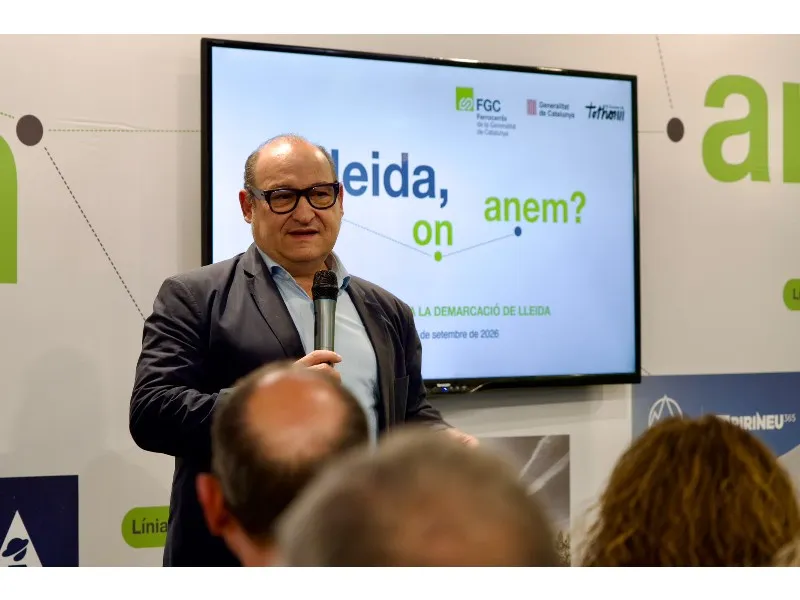
This figure, which translates to approximately 2,725 minors in the province of Lleida, was highlighted by a professor of Health Psychology from the Rovira i Virgili University during a conference organized by Fibrolleida. The event took place to mark World Central Sensitization Syndromes Day at the Enric Granados Auditorium.
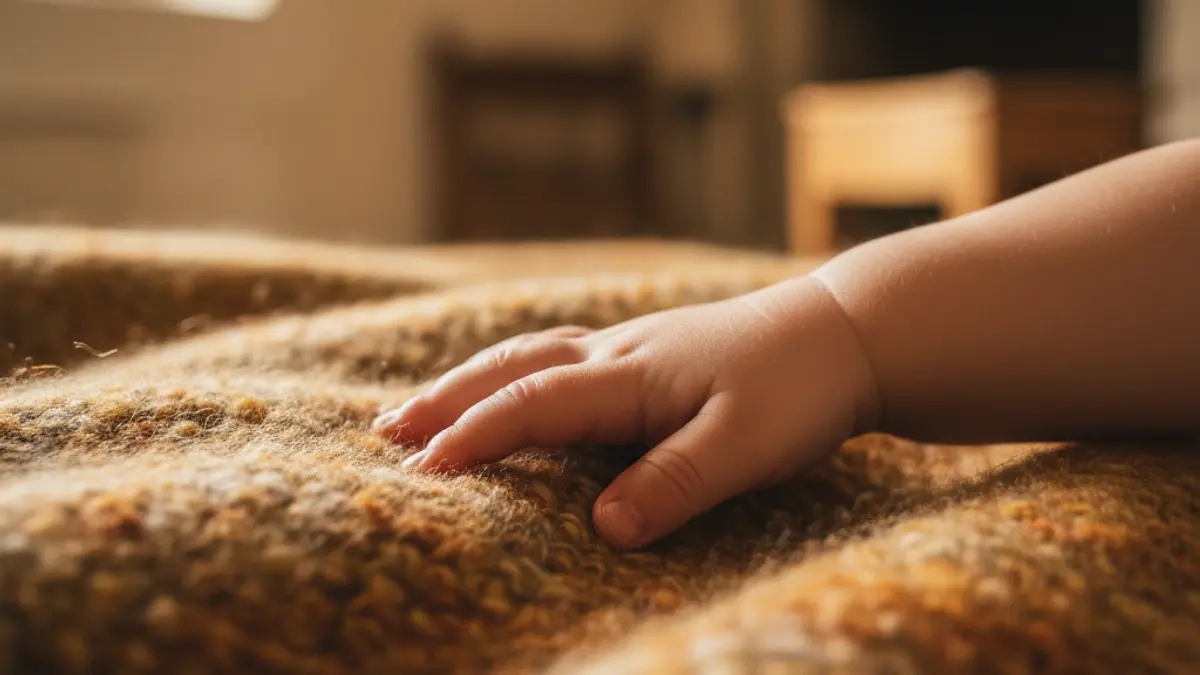
Childhood chronic pain is defined as pain lasting more than three months. Two main types are distinguished: mild, which is a disease in itself such as headaches or back pain, and severe, which is associated with other pathologies like cancer.
More than 45% of children and adolescents aged between 8 and 18 experience some form of mild chronic pain, such as that related to growth. However, 5% present severe cases involving associated disability.
“"Chronic pain in children is a silent epidemic. More sensitivity and specialized resources are needed to address these pathologies."
During the conference, the lack of specialized programs for treating childhood chronic pain was also emphasized, unlike those available for adults. It was noted that pharmacological treatment alone is insufficient and can lead to secondary problems.
The president of Fibrolleida called for more healthcare resources and reduced waiting times for those affected by fibromyalgia, chronic fatigue, and multiple chemical sensitivity. In the province, an estimated 14,000 people suffer from these syndromes. The conference, held under the slogan “No one will be alone,” advocated for greater social awareness of these conditions.