Winter rainfall and a water-rich subsoil anticipated an exuberant spring with a high pollen load. This prediction has been confirmed, with levels approaching historical highs recorded since 1994 between late March and early April.
Although rainfall decreased in April, vegetation and the flowering of trees and herbs continued vigorously. The species that cause the most allergies in Catalonia are cypress, plane tree, grasses, and olive tree.
During the week of May 11 to 17, oak and holm oak pollen reached maximum levels (4 out of 4) in Barcelona. This situation is due to the full bloom of these species in Collserola and areas near the city. Holm oak is the predominant tree in Barcelona, with over 300,000 specimens in Collserola, and levels are expected to remain stable in the coming days.
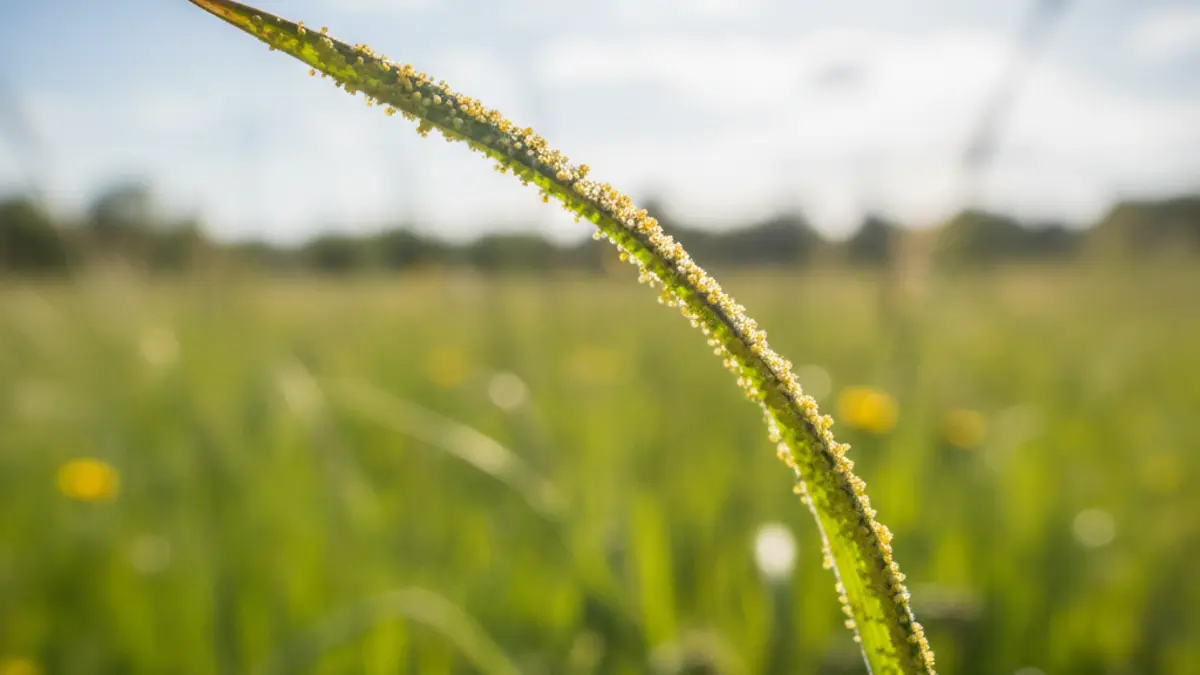
In mid-May, the grass pollen season begins, which is highly allergenic and affects a significant portion of the population. Currently, grass levels are high (3 out of 4) and the trend is for them to increase in the coming days, marking the most critical periods of the year for those allergic to this type of pollen. The peak of grass pollen in Barcelona usually occurs between mid-May and mid-June, coinciding with the drying of grasses and the massive release of seeds by the wind.
Regarding olive trees, Barcelona registers medium pollen levels, with an upward trend in the coming days. Other notable pollens include parietaria, which is at its maximum level (4/4) and blooms almost all year, and plane tree, which already passed its peak in late March and now shows low concentrations (1/4).
The Aerobiological Network of Catalonia (XAC) has been monitoring pollen and fungal spore levels in the air since 1983 in nine Catalan localities, including Barcelona, Bellaterra, Girona, Lleida, Manresa, les Planes de Son, Roquetes-Tortosa, Tarragona, and Vielha. Weekly forecasts are published on Fridays and can be consulted online and through mobile applications.