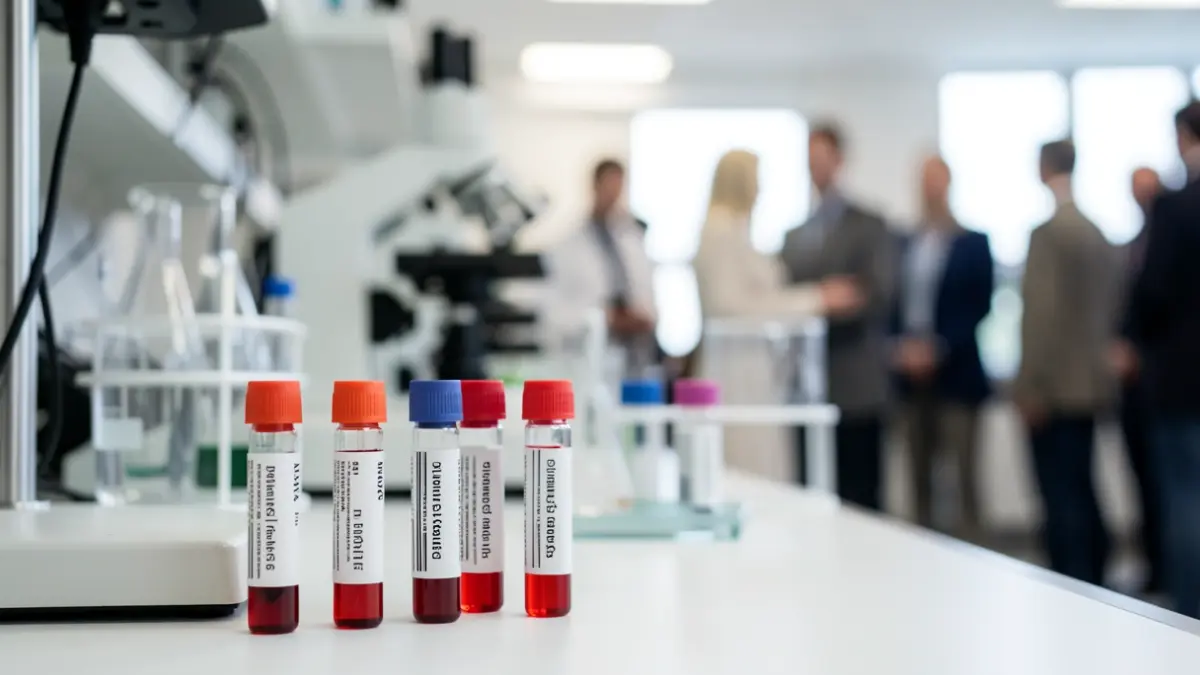
A notable advancement in depression treatment has been documented by researchers from the CSIC and the Sant Pau Research Institute. Through the analysis of blood samples from 22 patients, it has been observed how twelve psychotherapy sessions have modified key brain molecules, with these changes reflected in the blood.
Maria Portella, head of the Mental Health research group at the Sant Pau Research Institute, has described the finding as "spectacular," emphasizing that "each therapy does something specific." The key to this discovery lies in blood's ability to act as a "mirror of the brain," according to Analia Bortolozzi, a CSIC researcher. This allows for the observation of the biological response to brain changes in real-time by analyzing microRNAs, molecules that regulate gene expression.
The study compared two psychological interventions: comprehensive cognitive remediation, aimed at improving functions such as attention and memory, and psychoeducation, which seeks to raise patient awareness about the disorder. Blood analyses revealed different responses for each therapy type.
This research opens the door to "precision psychiatry," enabling more personalized therapeutic interventions. Furthermore, Dr. Portella notes that these molecular changes can improve patients' daily lives and contribute to the destigmatization of mental illnesses by demonstrating that certain brain functions are not operating correctly.
The researchers plan to revalidate these findings with a larger number of patients to eventually translate them into routine clinical practice.