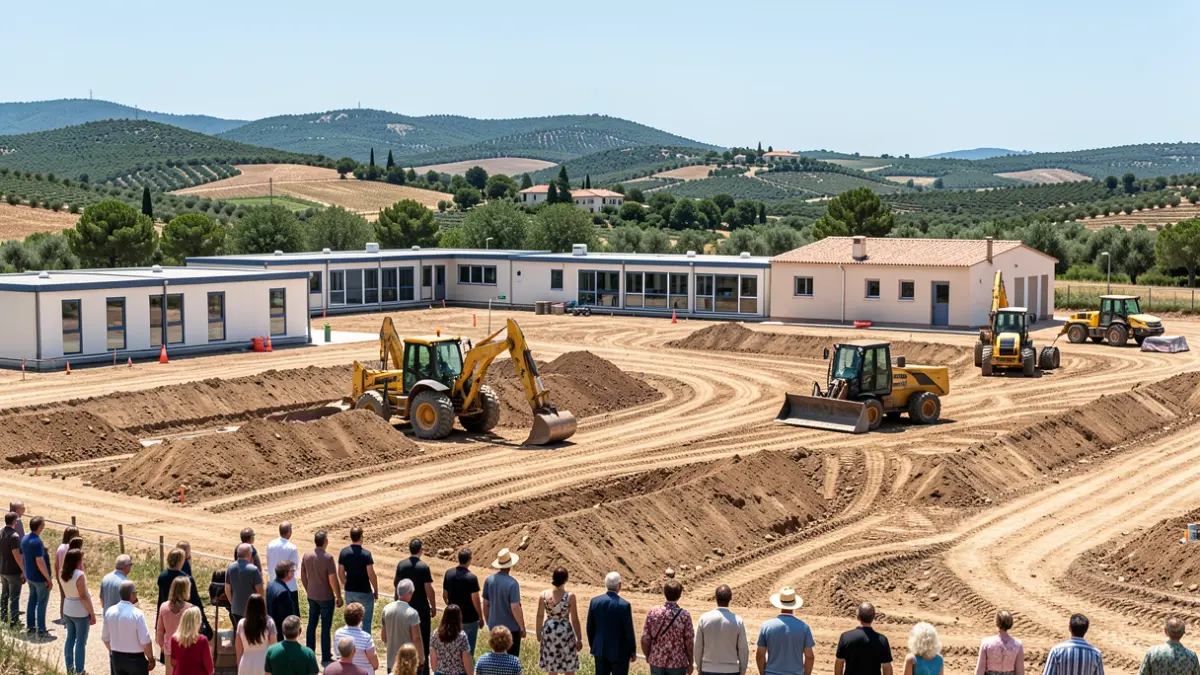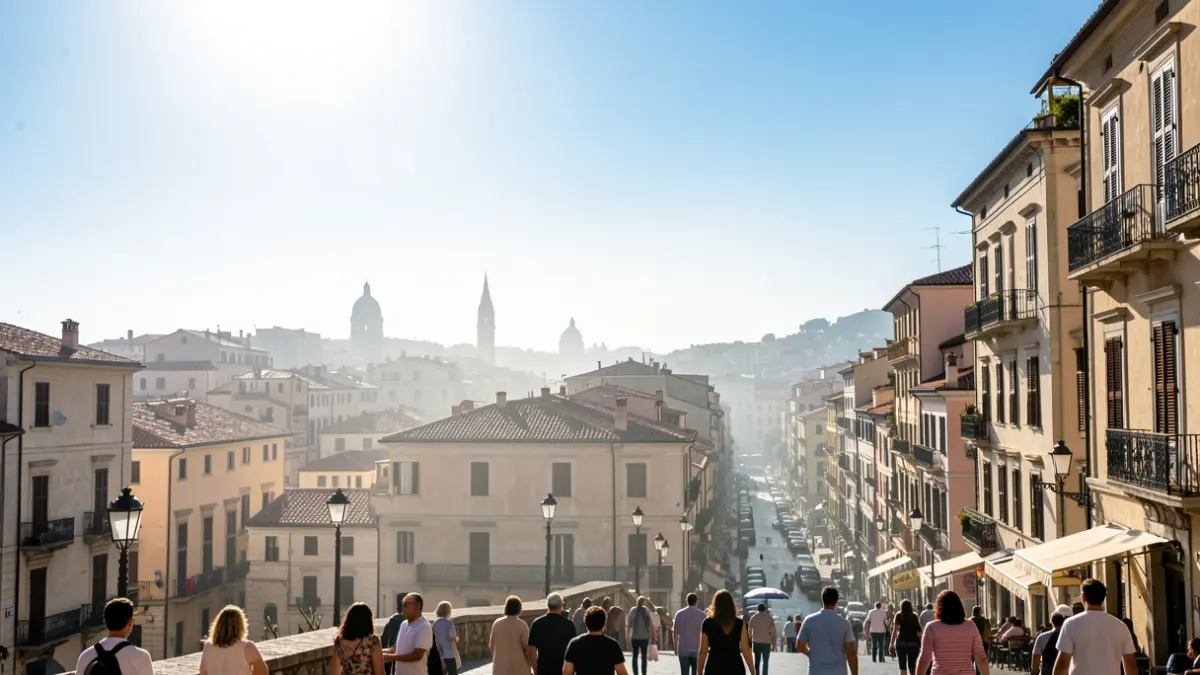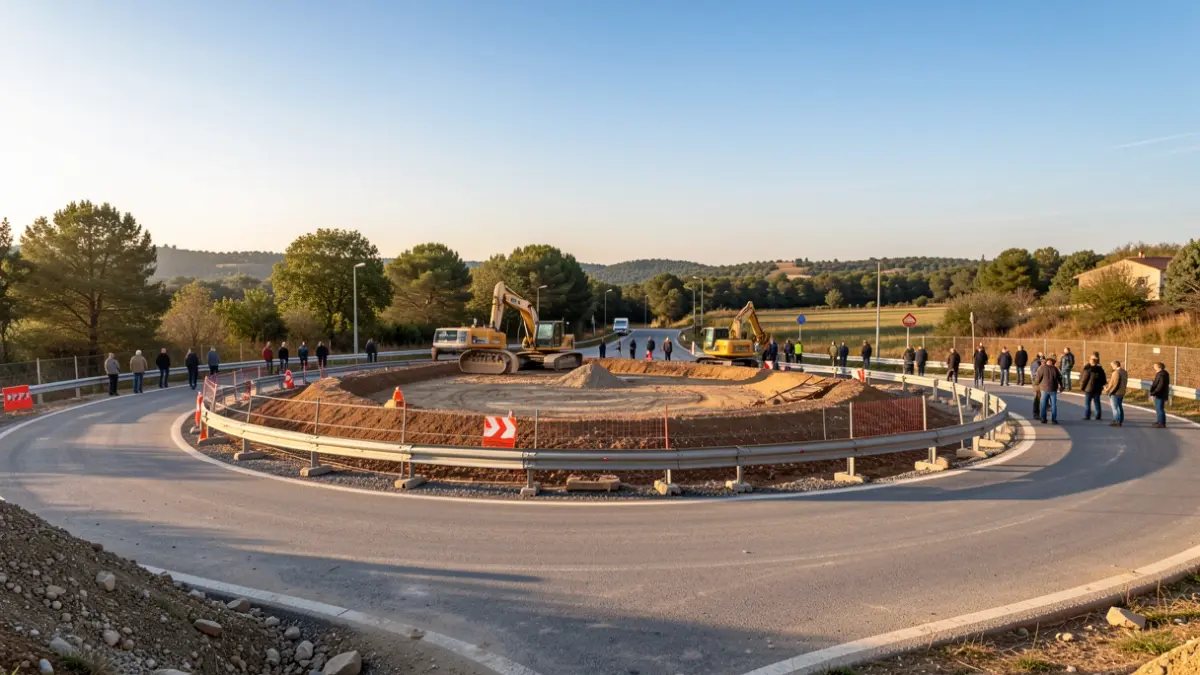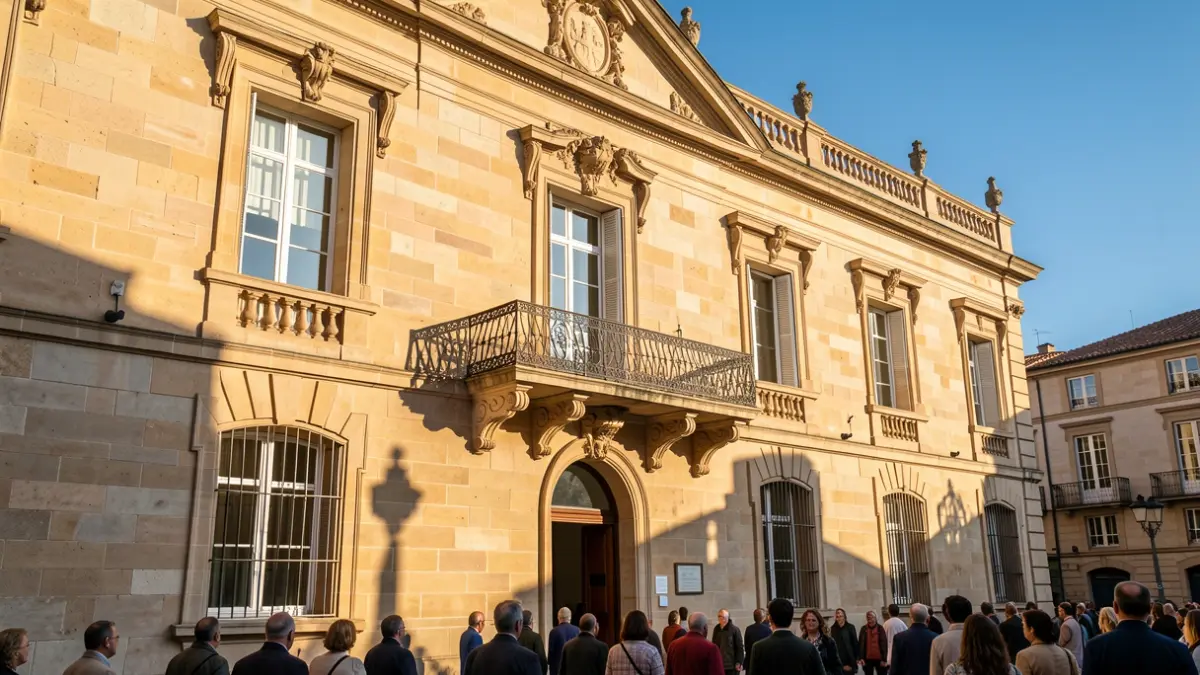
On June 6th, coinciding with the 48th anniversary of the last fatal victim of a level crossing in the neighborhood, a plaque was unveiled in Lleida to remember the neighborhood mobilizations during the Transition. These citizen movements were key to transforming the city and improving safety.
During the seventies, disorderly urban growth had left neighborhoods like Balàfia and Pardinyes with severe deficiencies. The drafting of the new Urban Planning Plan spurred the creation of neighborhood associations, which grouped together in the Federation of Neighborhood Associations of Lleida (FAVLL). This federation coordinated various demands, such as the defense of the Clot de les Granotes or protests over archaeological remains in Plaça de Sant Joan.
One of the most serious problems was the presence of seven level crossings within the urban area, which acted as physical barriers and posed a constant danger. In 1978, two fatal accidents, one in February involving two students and another in June with a 34-year-old woman, triggered a strong wave of protests.
Public indignation led to a spontaneous sit-in that interrupted rail traffic between Madrid and Barcelona. Spokespeople such as Joan Molins, from Balàfia, and Lídia Ruiz, from Clot de les Granotes, led the movement. Citizen pressure forced authorities, including mayor Antoni Corbella, to seek solutions, although episodes of tension and arrests occurred.
Finally, at the end of June 1978, a key meeting was held between representatives of the State, Renfe, the City Council, and neighborhood movements. Faced with citizen unity, the State committed to eliminating the level crossings. The initial proposal of an open trench was rejected by residents, who advocated for complete undergrounding via two tunnels, a proposal that the Ministry eventually accepted.
The definitive project was presented at the end of 1978, and construction began the following year with an investment of 350 million pesetas. This victory for the neighborhood movement definitively connected Balàfia with the rest of the city, becoming an example of citizen participation and the construction of democratic urbanism in Lleida.