The discovery was presented by biologist María José López Galiano and chemist Marcos de la Peña, members of an international team. This new entity, named 'Obelisk', consists of infectious agents that colonize certain bacteria found in the human mouth and intestines, challenging the boundaries of what is considered life.
The finding of this new life form led to a debate about the origin of life on Earth, suggesting that, being a previously unknown biological entity, it could have an extraterrestrial origin.
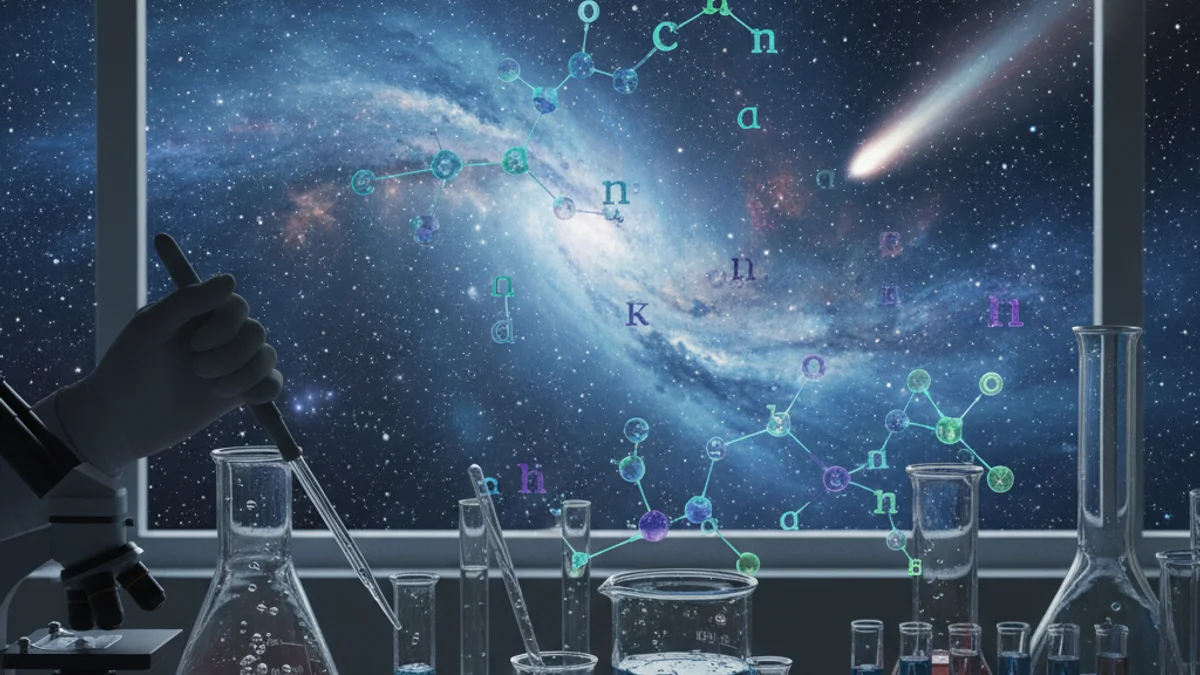
This hypothesis directly connected with the panspermia theory, developed by the prestigious scientist from Lleida, Joan Oró i Florensa (born in Lleida in 1923). According to this proposal, life could have traveled through the Universe and landed on suitable planets like ours.
The foundation of Oró's theory lies in his ability to synthesize Adenine, a fundamental compound for DNA and RNA. He achieved this using hydrogen cyanide, water, and ammonia—substances present in stars and comets—leading him to hypothesize that comet collisions would have promoted the synthesis of the precursor molecules of life on Earth.