The mayors of the main Lleida cities with rail service have criticized the recent chaos, the lack of adequate freight transport, and the historical absence of investment. The Mayor of Lleida, Fèlix Larrosa (PSC), lamented the “mobility difficulties” and advocated for a “social and sustainable” model guaranteeing “safety on all lines, as the Generalitat has done.”
“"It is essential to improve rail communications in Lleida, increase frequencies on the Cervera line, boost the Les Garrigues line, and launch the Aragón line, which should connect us with Monzón, for example."
The Mayor of Mollerussa, Marc Solsona (APL), pointed out that “it has been evidenced these days that Rodalies is an essential service that conditions daily life,” and denounced the lack of information provided to municipalities and users. The Mayor of Tàrrega, Alba Pijuan (ERC), was highly critical, stressing that between Wednesday and Thursday “there was no operational rail alternative.”
“"The users are the ones harmed. We demand quality and reliable public transport that guarantees compliance with schedules and the maximum level of safety."
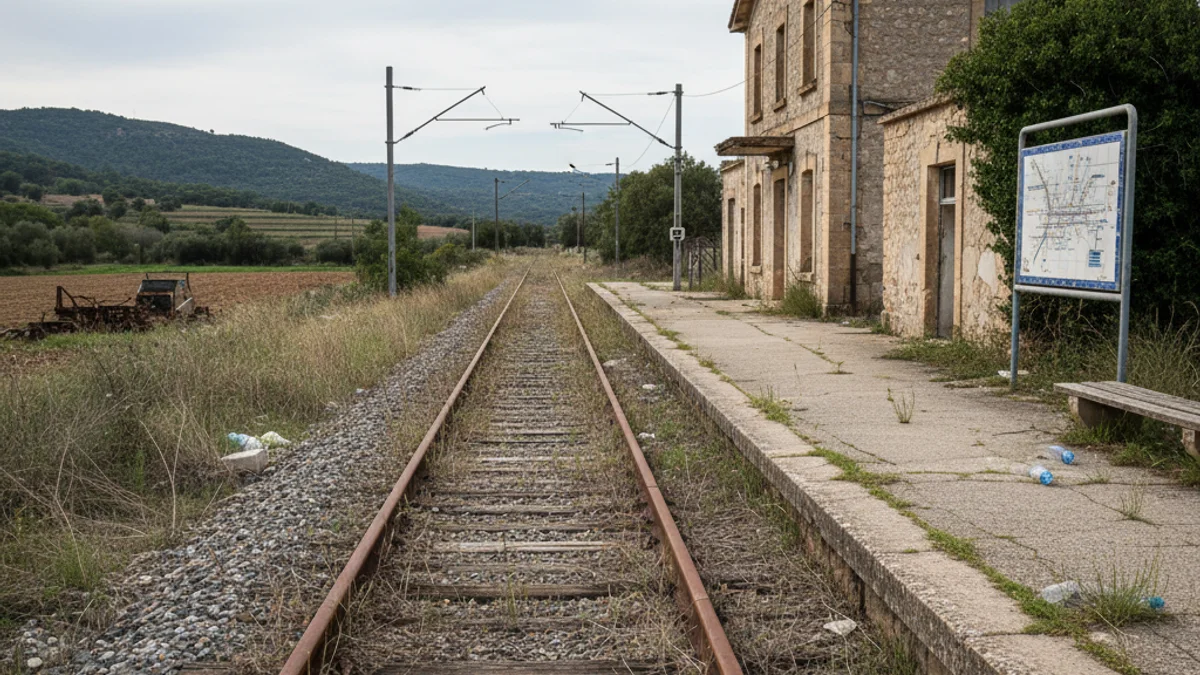
Jan Pomés (PSC), Mayor of Cervera, spoke of the “structural deficiencies” accumulated due to decades of lack of investment, although he acknowledged that the Rodalies Plan 2020-2030 marks an “inflection point” with a 6.3 billion investment. Finally, the Mayor of Les Borges Blanques, Josep Farran, denounced the historical “neglect,” criticizing that attention focused on duplicating the N-240 while alternatives like the rail line were ignored.