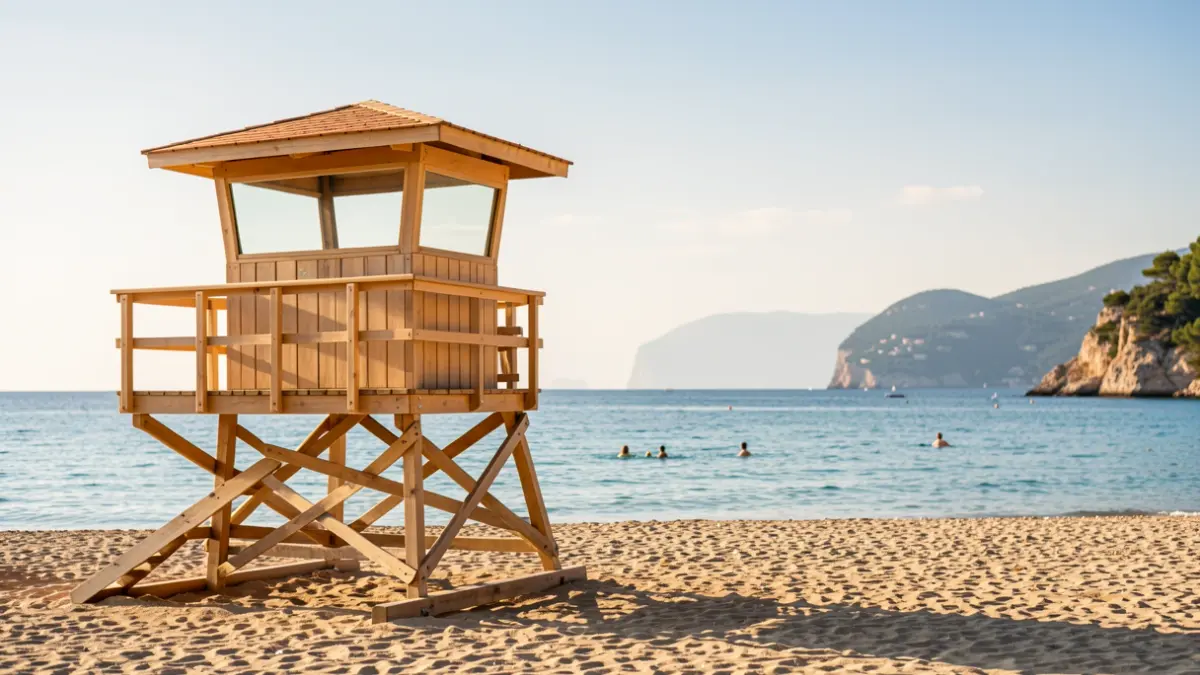
One of the main novelties is the addition of a fourth lifeguard post at S’Abanell beach. This new station joins the existing ones at Cala Bona, the Centre beach, and the Pins area, aiming to improve coverage along the longest stretch of Blanes' coastline.
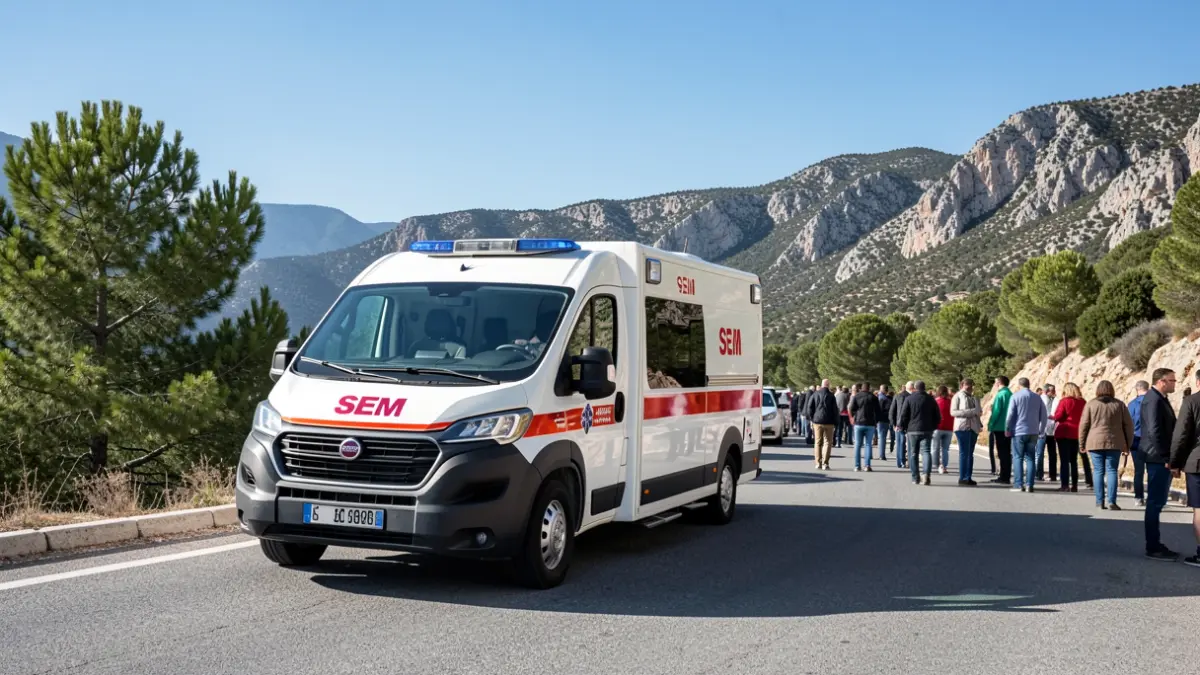
The service also expands its rescue resources with a jet ski equipped with a stretcher, which speeds up sea operations and facilitates the evacuation of injured or at-risk individuals. Additionally, seven rescue boards have been distributed among the various watchtowers to expedite initial interventions.
Beyond surveillance and rescue, the new contract also focuses on awareness and training. Throughout the summer months, first aid workshops will be organized for people of all ages to promote basic knowledge for acting in emergencies.
Another planned measure is the implementation of an artificial intelligence-assisted surveillance system in the furthest area of S’Abanell beach, near the mouth of the Tordera river. This system will analyze captured images to identify patterns and behaviors associated with potential drowning or risk situations. When it detects a potential incident, it will generate an alert for the lifeguards to act quickly. The council emphasizes that this technology will support, not replace, human surveillance.
The operation will be active until September 13th and involves a team of 17 professionals, plus a coordinator and a boat skipper. The service has been awarded for two seasons and, for the first time, includes management by the company Proactiva, specializing in maritime rescue.