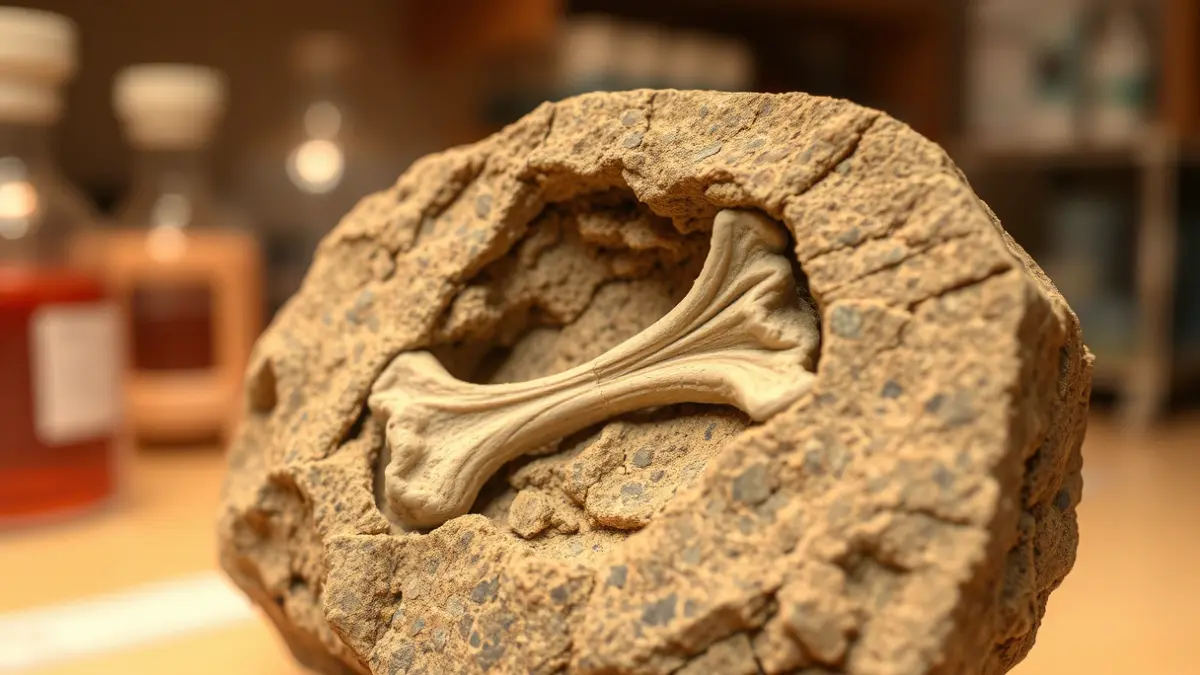
This new methodology addresses the inherent challenges of the Caldes de Malavella site, where remains, primarily of small vertebrates, are found in highly unstable sediments. The fragility of these materials increases the risk of breakage during extraction and handling. Furthermore, the preservation of many skeletons in their original position means that any movement could lead to the loss of crucial information.
The protocol establishes a comprehensive evaluation of each fossil, considering factors such as its size, state of preservation, and degree of exposure. Based on this preliminary analysis, the most suitable technique for its study is determined. Options include structured light scanners for surface documentation and X-ray technologies for internal analysis without direct contact.
This approach allows for the optimization of available resources for each case, significantly reducing the impact on paleontological remains. One of the key advantages is the creation of three-dimensional digital models, which can be stored in open repositories. This not only facilitates access for the global scientific community but also minimizes the need for repeated handling of the original materials.
The generated 3D models open new opportunities in the fields of outreach and education. They enable the creation of interactive visualizations and the production of physical reproductions for museum exhibitions, bringing paleontological heritage to a wider audience.