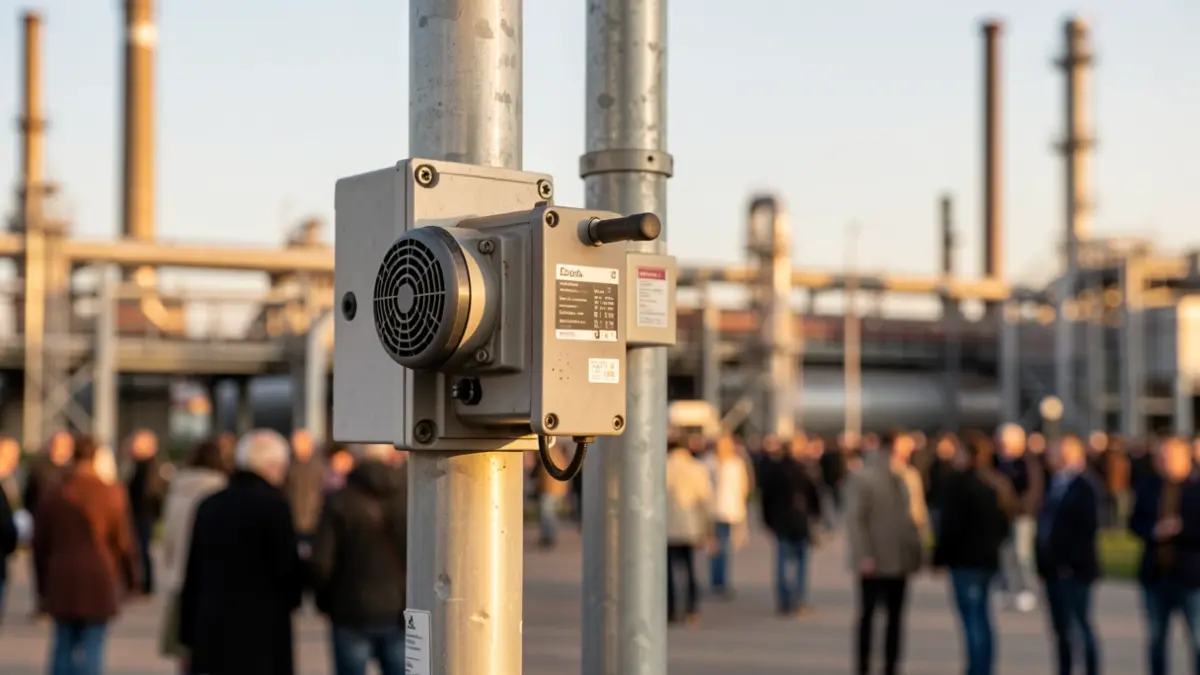
The new update to the plan incorporates 432 chemical sensors that are already operational in the industrial estates and the Port de Tarragona. These devices allow for the detection of substances such as chlorine, ammonia, or sulfur dioxide before any toxic cloud can reach inhabited areas.
The project includes the expansion of the network with 155 additional sensors, currently in the technical adjustment phase to ensure data reliability. These units are intended for the detection of compounds such as phosgene, hydrogen chloride, and acrylonitrile.
In addition to the sensor network, the revision formalizes the use of the Es-Alert system within the CECAT operations. This tool will allow for geolocated alerts to be sent to mobile phones in the event of a chemical emergency, complementing traditional sirens.
The plan has also updated risk mapping, industrial perimeter data, and information on vulnerable populations. Civil Protection plans to conduct a new drill after the summer to test these coordination mechanisms.