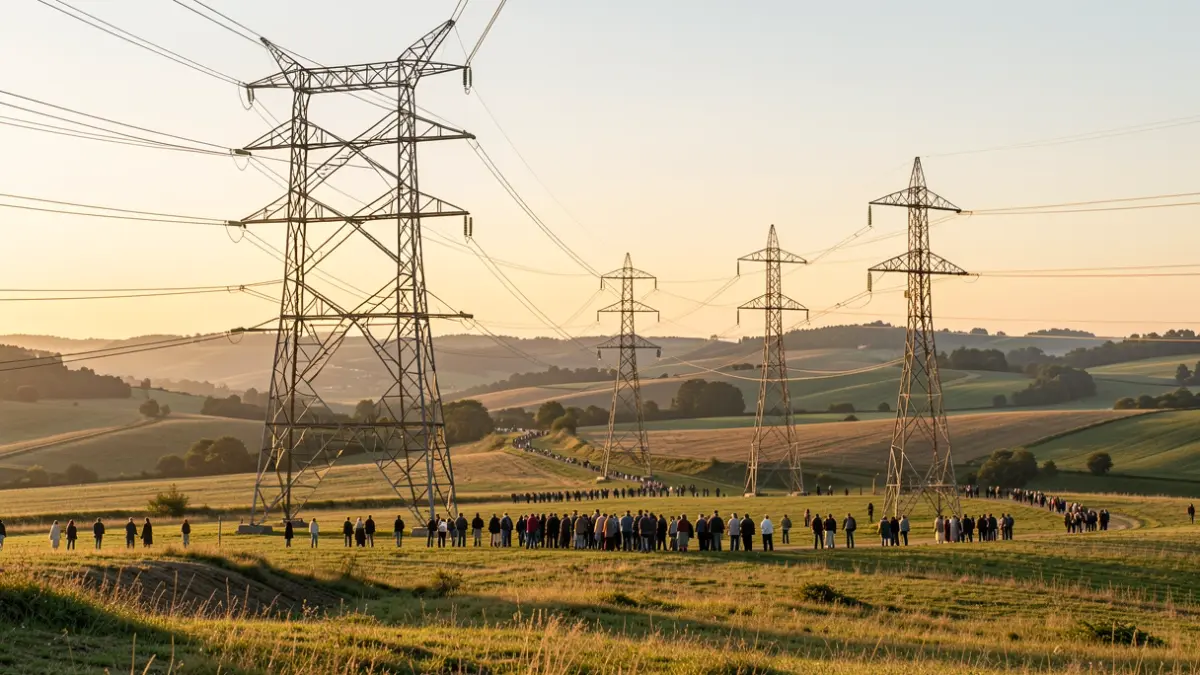
The project, which is planned to span 180 kilometers from Escatrón to la Secuita, has received thousands of formal objections. Critics warn that the infrastructure, which will cross 28 municipalities, will leave a permanent scar on the territory and question an energy model that they claim prioritizes the profits of large corporations over local needs.
Agricultural organizations have criticized that the installation will mortgage the future of many farms, limiting the development capacity of the affected lands. Opponents are demanding alternatives such as burying the lines and a stronger commitment to local, decentralized energy communities with greater citizen participation.
Meanwhile, the promoting company argues that the line is a strategic axis necessary for the decarbonization and electrification of the chemical industry in the Camp de Tarragona region. The company states it will maintain a dialogue process with the territory to reach a consensus on the final route of the infrastructure.