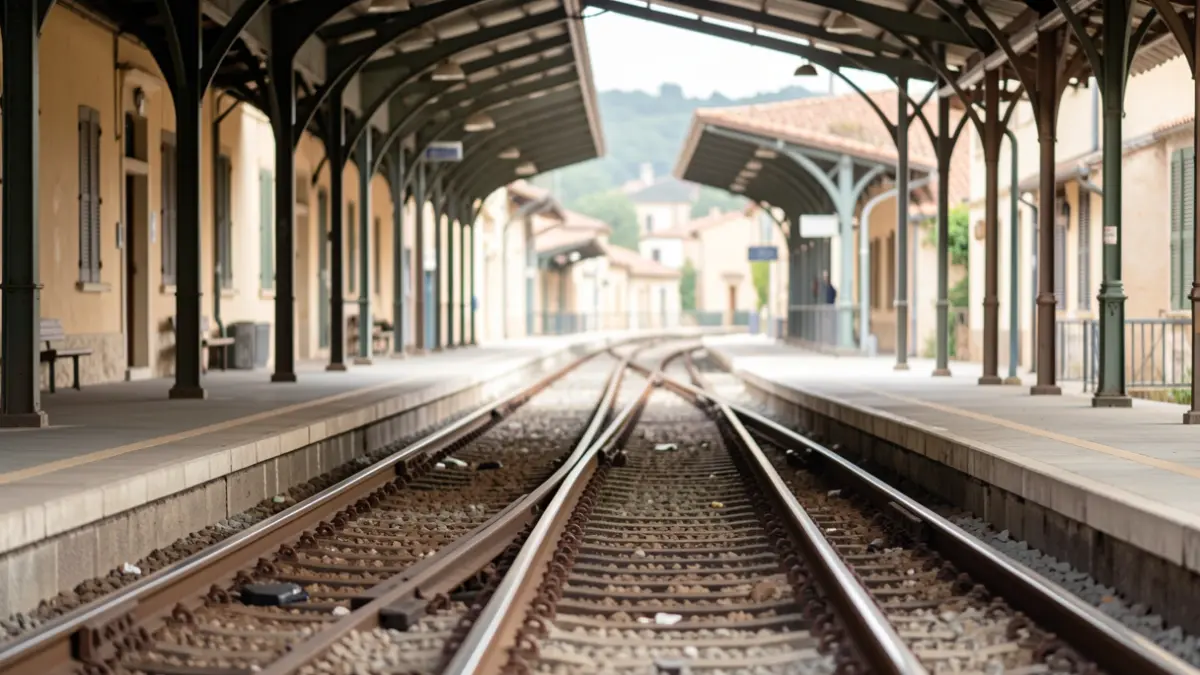
Manel Nadal, Secretary of Mobility and Infrastructure, has acknowledged the 'collapse' of the commuter rail service in Tarragona on the day of the eclipse, when many passengers could not travel south of Catalonia due to overcrowding at stations and on trains. Nadal admitted that the system did not function as expected, stating: "The forecast was correct, but it has been proven that it was not."
This admission comes after the operations manager for Rodalies, David Andrés, had already apologized the previous day, assuring that "we didn't have more trains" and that the issue was capacity, not planning. Andrés stated: "Even if we had wanted to, we couldn't have added any more trains."
The mayor of Tarragona, Rubén Viñuales, has demanded explanations from Renfe and Adif, calling for accountability and a "real, profound, and sincere rethink" of the commuter rail service. Viñuales described the scenes of hundreds of people waiting at the station as "unacceptable".
Nadal went as far as to describe the service conditions as "inhumane, or not correct for a public service." He explained that the concentration of people between 4:30 PM and 6:30 PM caused the collapse, further complicated by a track incident and a train alarm being triggered.
The Secretary of Mobility also engaged in self-criticism regarding communication, pointing out that the call for staggered departures overemphasized "private transport" and insufficiently addressed trains. "It wasn't done," he admitted, referring to the need to better inform about train forecasts and their capacity.
Regarding the return journey, Nadal indicated that, despite the concentration of people between ten and midnight, the return occurred "orderly." Train services were reinforced with three trains from the R11 line, over 20 long-composition trains, and a special service from Tortosa. Finally, an additional train was added at 1:30 AM as a "sweeper train".