With Salvador Illa as President of Catalunya since 2024 and the mayors of Tarragona and Reus representing the PSC since 2023, the metropolitan project is moving forward. This marks a significant shift from previous decades when the concept was politically resisted by nationalist parties.
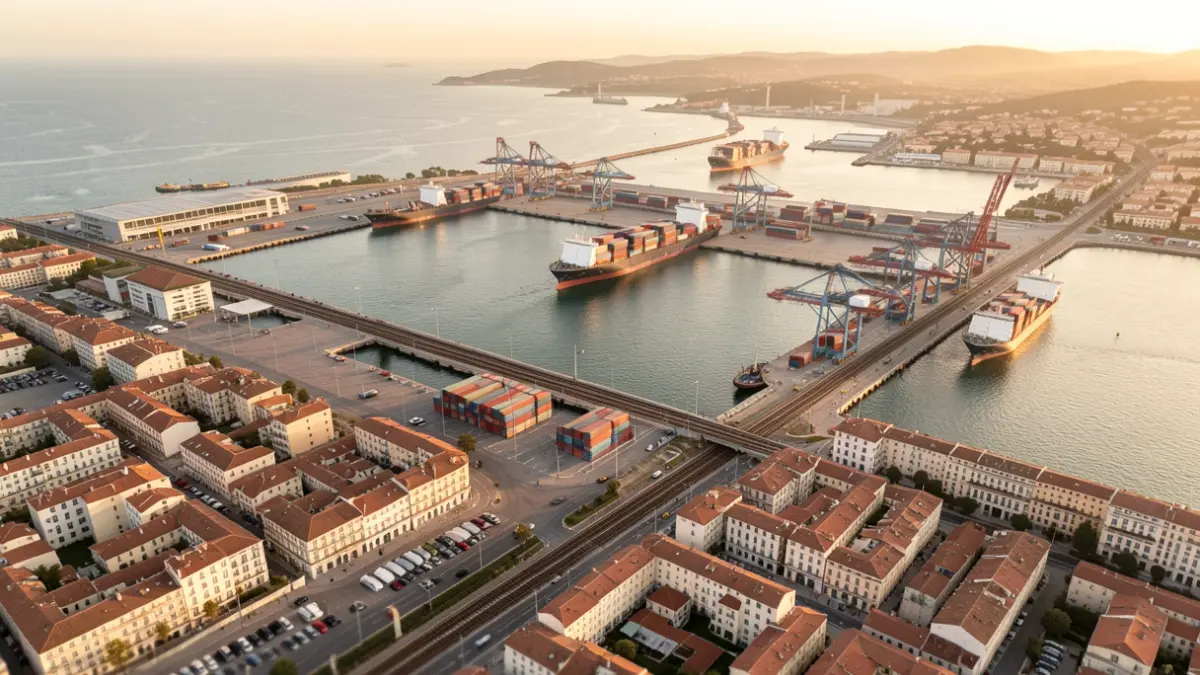
Socialist influence now extends to key regional entities, including the Port of Tarragona and the Tarragona Water Consortium. Government Secretary Javier Villamayor recently highlighted this regional focus during an event in Reus, emphasizing a plan to revitalize long-stalled infrastructure projects.
Key economic drivers such as the battery component factory in Mont-roig del Camp and the Tram Camp light rail system are central to this strategy. However, ongoing issues with the Rodalies commuter rail network remain a challenge for the administration as it looks toward the 2027 municipal elections.