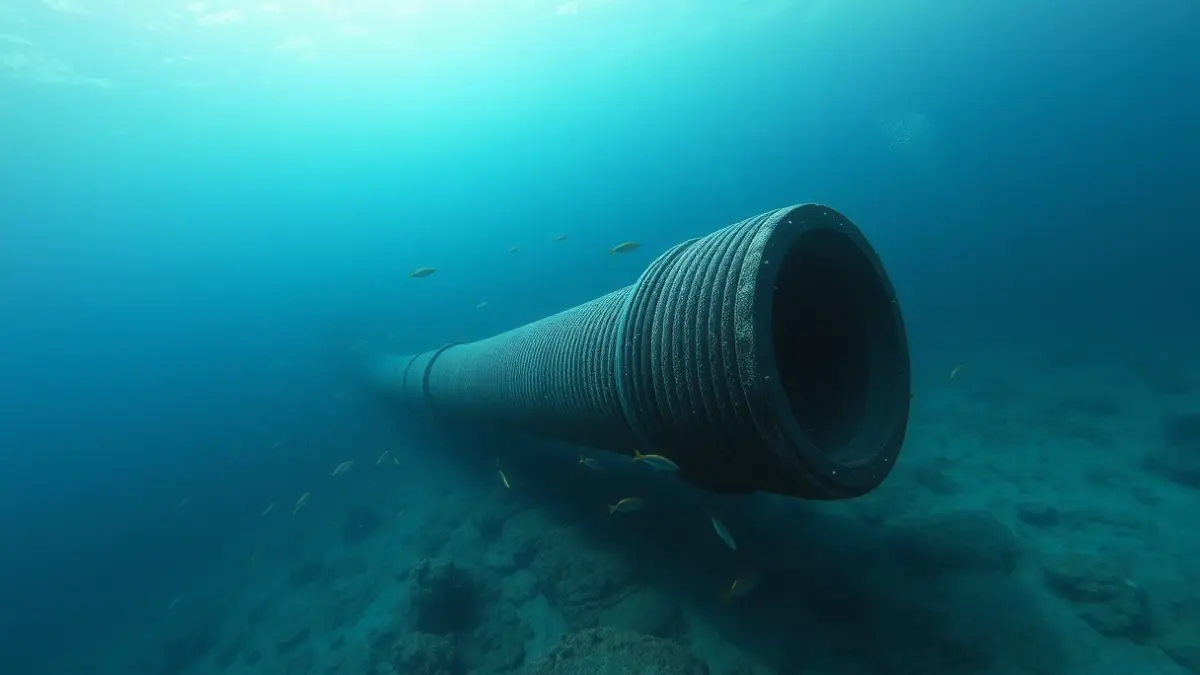
This infrastructure, named Apollo-Link, consists of a 2 GW high-voltage direct current interconnection that would link Spain with northern Italy. The initiative has recently been included in the portfolio of the 2026 Ten-Year Network Development Plan, prepared by ENTSO-e, the European network of electricity transmission system operators, and will now undergo a cost-benefit analysis.
The project, promoted by a subsidiary of a German company, aims to overcome the energy isolation of the Iberian Peninsula and strengthen the European electricity system. The planned connection points are the Vandellòs substation, near Tarragona, and the Marginone substation in Italy, with a capacity to transmit up to 2 GW in both directions. The megacable is expected to become operational in 2032.
“"Both Spain and Italy will benefit from greater integration of their electricity markets, displacing gas generation and reducing costs for consumers on both sides of the Mediterranean."
The promoters argue that this interconnection will improve supply security, stabilize markets, and unlock the potential of renewable energies by reducing production constraints. Furthermore, the advanced grid-forming technology to be used will reduce the risks of blackouts, and cross-border flexibility will foster the resilience and integration of the electricity system, without affecting national electricity grid tariffs for consumers.
The location of Tarragona in the plan is justified by the favorable grid connection situation, thanks to the decommissioning of the Vandellòs I nuclear power plant and the planned decommissioning of Vandellòs II in the early to mid-2030s. The transmission network in the area is already developed for the planned synchronous injection of two nuclear power plants, with connections to various substations and local demand centers such as Tarragona and Barcelona.
This commitment to submarine macro-links aligns with the European Union's strategy to increase interconnection between countries, reduce external energy dependence, and accelerate the transition towards decarbonization. The Apollo-Link project, which also features in Italy's national grid development plan, is positioned as one of the interconnection infrastructures with the highest total socioeconomic welfare.