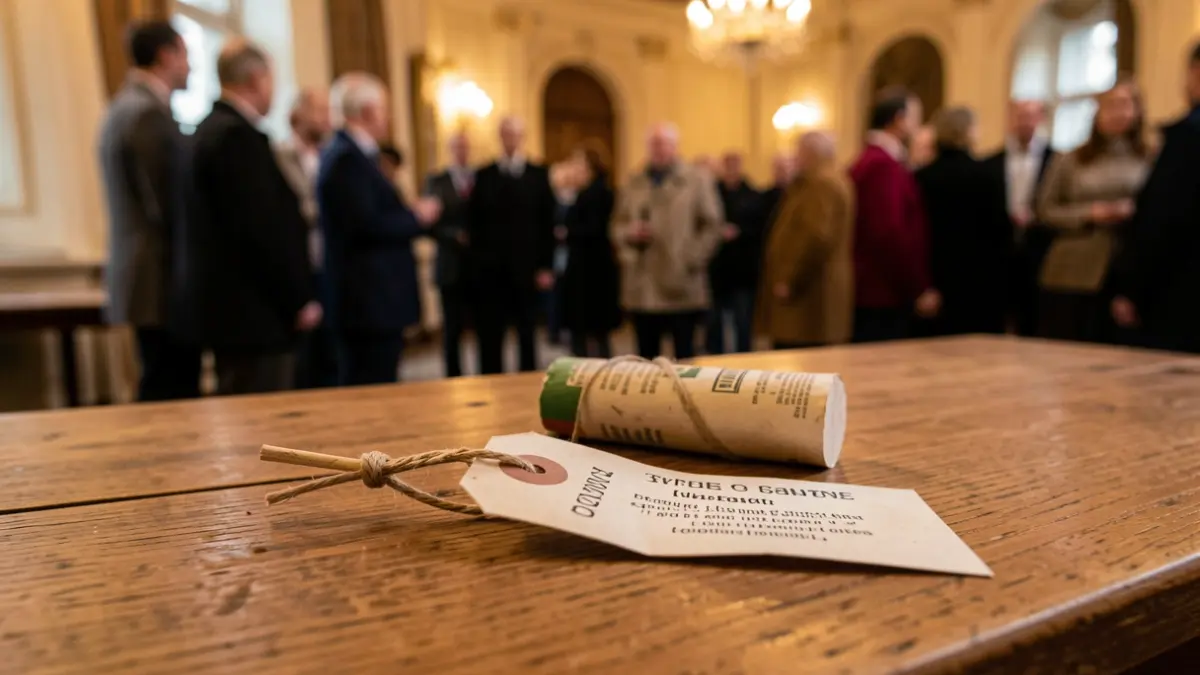
During examinations of nearly a hundred points of sale, including permanent establishments and temporary stalls, officers have observed a higher frequency of errors in the mandatory information required on fireworks. These deficiencies include incorrect net explosive content (NEC) figures or the imprecise identification of contents in certain assortments.
According to Israel Esteve, a member of the Civil Guard's Arms and Explosives Intervention Unit in Reus, labeling violations are more common this year than other usual issues like sales or safety measures. Responsibility primarily lies with the manufacturing company and the distributor, who must verify the merchandise before selling it. Any non-compliance results in the product being preventively seized.
The campaign, conducted annually around the Sant Joan festival, also involves verifying permits, the presence of fire extinguishers, transport documentation, and employee records. Officers remind vendors of the importance of checking buyers' ages, as fireworks are categorized by age (F1 from 12 years, F2 from 16, and F3, T1, and P1 for adults), and recommend requesting ID when in doubt.
Safety distances, the condition of fire extinguishers, and evacuation routes are also checked. Temporary stalls are required to remove merchandise (over 50 kilos of regulated material) to authorized storage facilities overnight. Permanent establishments, however, can store products year-round but must meet stricter safety requirements, such as volumetric or seismic alarms.
Despite the labeling issues found, inspectors highlight the sector's generally high compliance rate. Violations concerning sales to minors or safety measures are uncommon, and Esteve notes that communication with the sector is fluid and preventive work is effective.