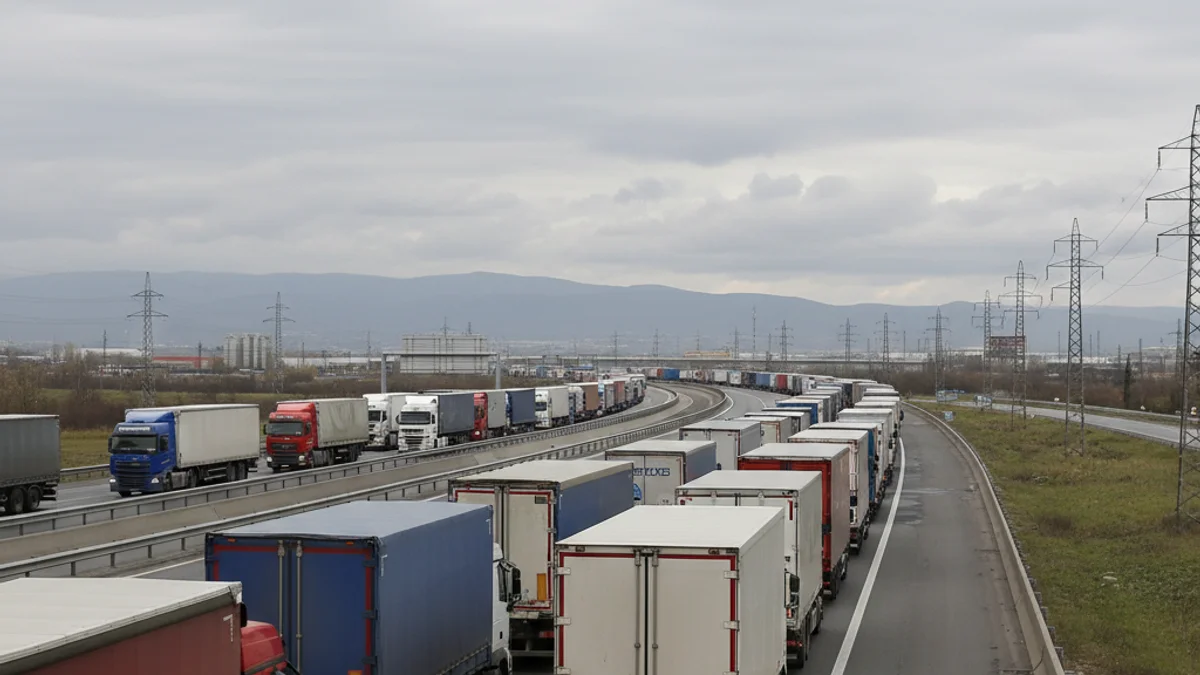
The dual infrastructure crisis, involving the southbound closure of the AP-7 motorway between Martorell and Sant Sadurní d'Anoia, and a crack detected in the Rubí tunnel, has paralyzed key freight routes connecting the Iberian Peninsula with Europe. The AP-7 is a critical hub used by 25,000 trucks daily.
“"Right now we are using alternative routes that were never intended to handle the operations we are currently performing."
The General Association of Transport Operators of Catalonia (AGTC), representing self-employed and small carriers, has calculated the sector's losses at 2 million euros per day. Alternative routes such as the C-32, A2, N-340, and C-25 are congested and insufficient to absorb the diverted traffic, leading to significant surcharges and delays.
“"These would be the containers heading towards the border, because since they circulate on the Barcelona lines, they have been very significantly affected."
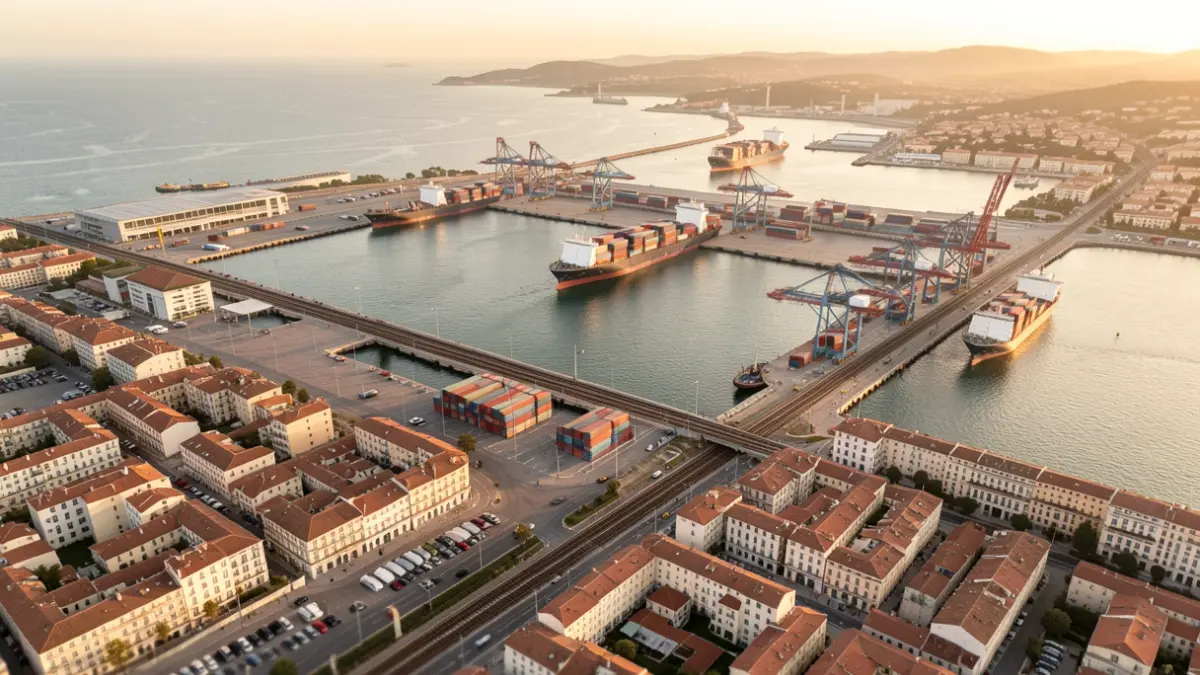
The disruption is particularly critical for the ports of Barcelona and Tarragona. At the Port of Tarragona, around forty trains have been unable to enter or leave the docks this past week, affecting approximately 15,000 tons of goods, including cereals, vehicles, and paper pulp. The Ministry of Transport estimates that the full reopening of the AP-7 southbound will not be possible until the week of February 9.