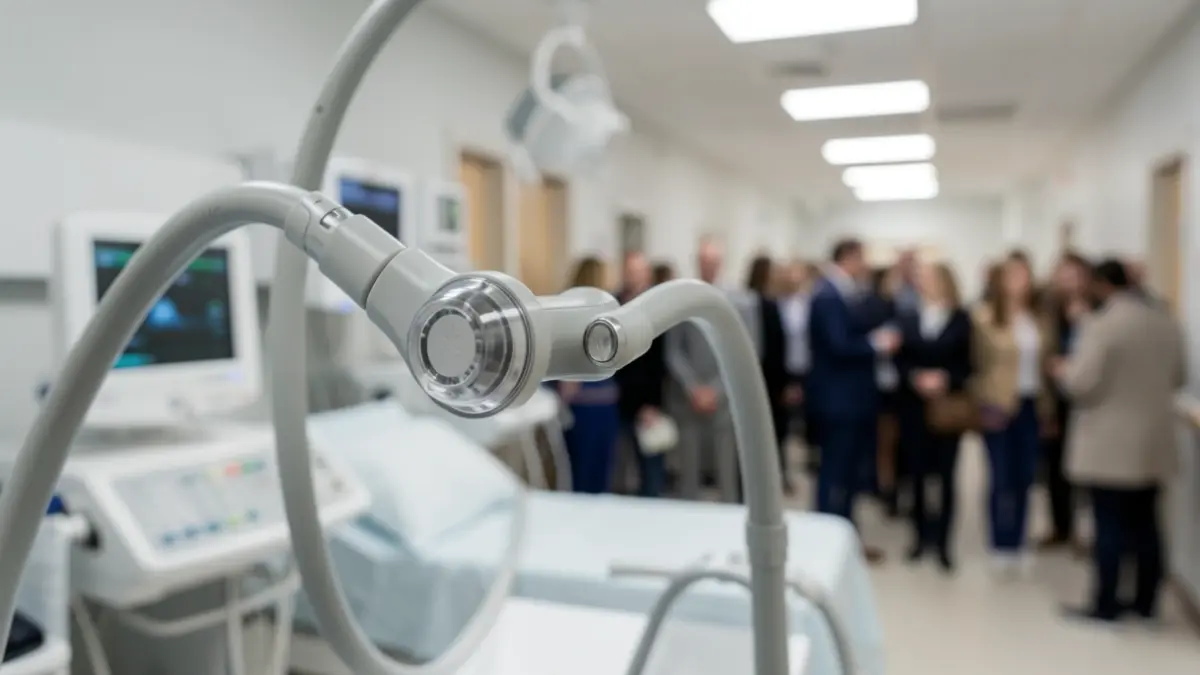
The technique, known as EBUS, combines conventional bronchoscopy with an ultrasound probe integrated into the tip of the endoscope. It allows for the precise visualization and sampling of mediastinal lymph nodes, which is crucial for determining the stage of the disease, particularly in lung cancer, accounting for 80% to 90% of procedures.
According to Vanessa López, a specialist in the Pulmonology Department, EBUS enables the study of lymphatic node involvement (the 'N' factor in TNM staging), providing vital information for treatment decisions and patient prognosis. The technique uses fine-needle aspiration to obtain samples, which can be analyzed in the same room by a pathologist to ensure material quality.
This technology often avoids more aggressive surgical interventions like mediastinoscopy, which previously required at least a 24-hour hospital stay. EBUS is performed under general anesthesia, and patients are typically discharged the same day.
While primarily indicated for lung cancer, endobronchial ultrasound is also used to diagnose other thoracic conditions such as sarcoidosis and nodal tuberculosis, as well as lung metastases from other tumors. Its importance has grown due to the need for precise information on lymph node involvement to select the most appropriate treatments, especially with the advent of new therapies.
In addition to initial diagnosis, the technique allows for tumor restaging, assessing disease progression after treatments like chemotherapy, radiotherapy, or immunotherapy.