Matteo Bormetti has joined the ICAC with a Juan de la Cierva fellowship from the State Research Agency. He will integrate into the Landscape Archaeology Research Group (GIAP), where he will develop the project Mapping Roman Imperialism Through Animals, under the supervision of Dr. Lídia Colominas and Dr. Arnau Garcia.
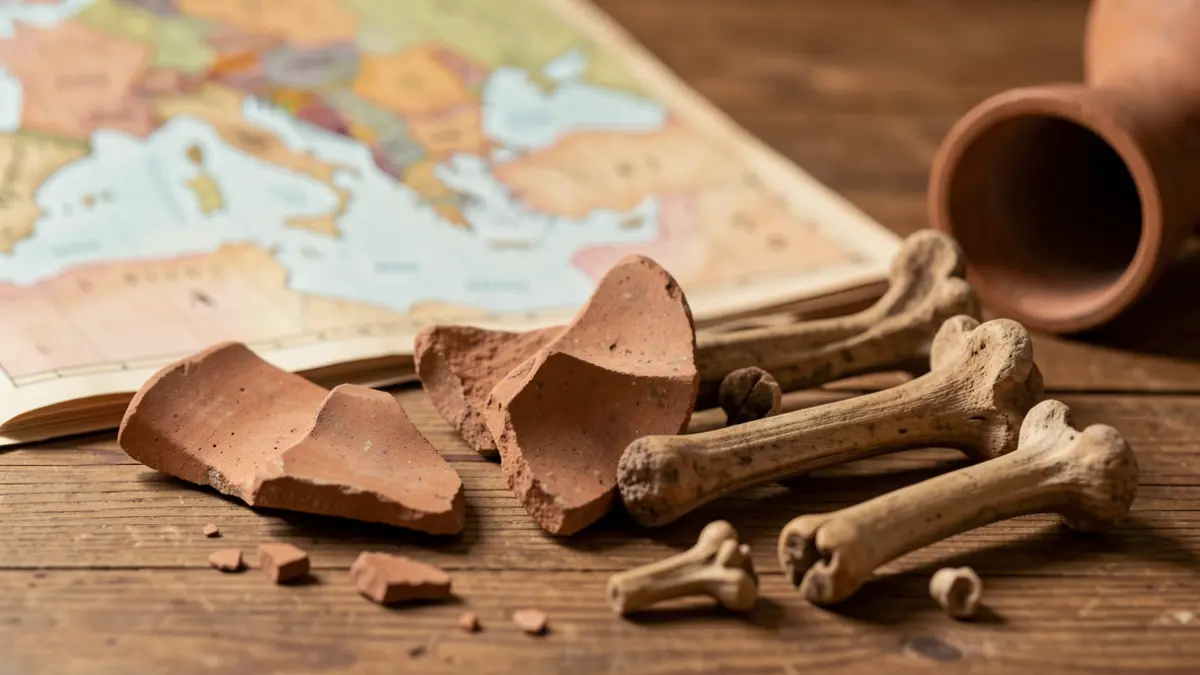
The project focuses on how local communities in different regions of the Roman Empire adapted livestock practices and their relationship with animals following Roman conquest. Using zooarchaeological data and Geographic Information Systems (GIS) tools, the research will map these responses and analyze how imperial integration processes transformed animal husbandry and exploitation systems.
Bormetti, specializing in archaeozoology and past human-animal relationships, has researched areas such as livestock systems, urban supply, ancient beekeeping, and marine resource exploitation. He obtained his doctorate from the University of Sheffield in 2023 with a thesis on livestock farming and socioeconomic changes in Great Britain during the late Iron Age.
Previously, he taught zooarchaeology at the University of Milan, was a postdoctoral researcher at the Deutsches Archäologisches Institut, and participated in various international archaeological investigations, notably the Meninx Archaeological Project in Tunisia and excavations at Monte Zara in Sardinia. He is also currently an associate editor for the bulletin of the International Council for Archaeozoology (ICAZ).