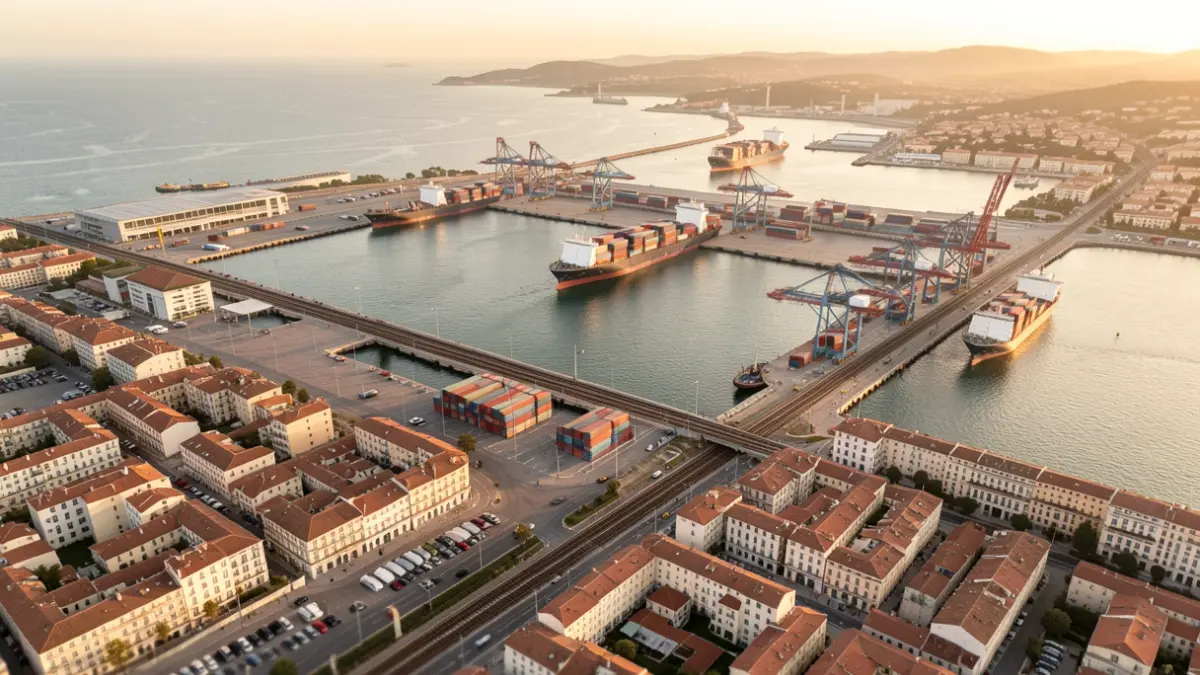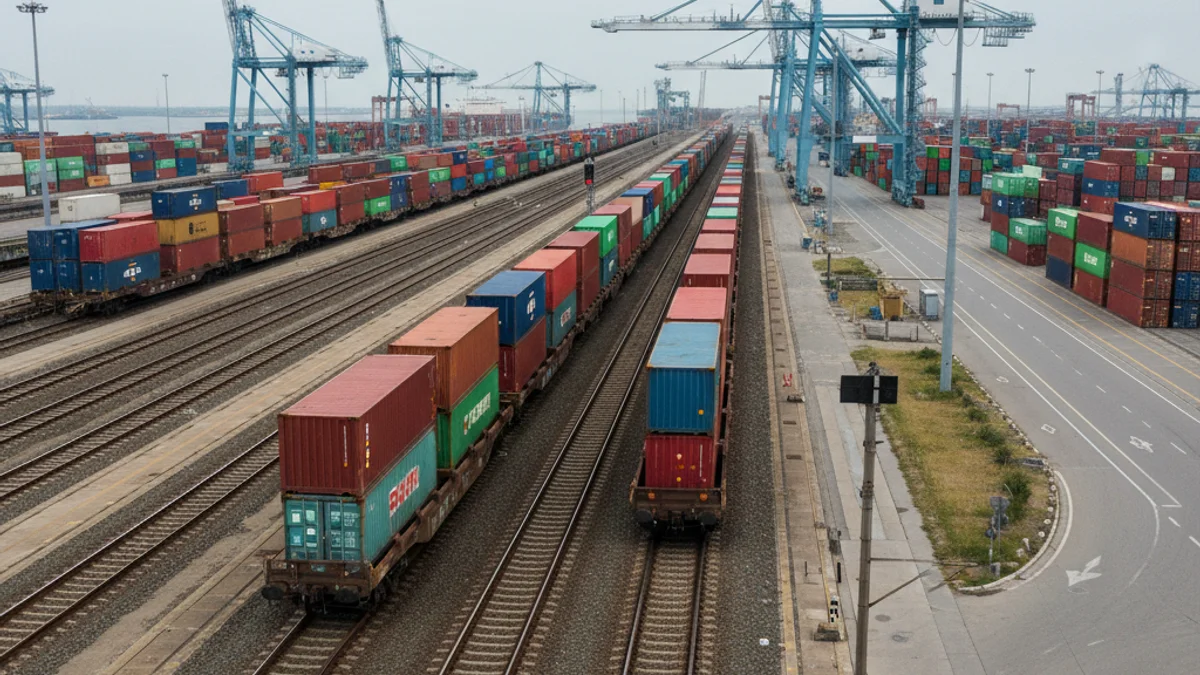
The head of the ferro-port management division of the Tarragona Port Authority, José Luís Román, confirmed that the incidents affected 85% of the scheduled maneuvers, with restrictions initially reaching almost 100%. Although the impact gradually decreased, by January 27th, more than 50% of the trains were able to operate.
“"The demand for circulation is greater than the possibilities of the network."
Currently, freight traffic heading towards the center and north of the Iberian Peninsula is normalizing, with key destinations such as Zaragoza, Ciempozuelos, Sagunto, and Salamanca. However, movements towards Barcelona continue to suffer restrictions, as the connection with France for freight is cut off due to an incident in the Rubí tunnel.
Román pointed out that the provisional alternative enabled by Adif, which uses the coastal line, has very limited capacity to absorb the volume of traffic. Although rail traffic only represents 5% of the Port of Tarragona's total land traffic, the social impact is significant due to the high interest in promoting this transport mode.