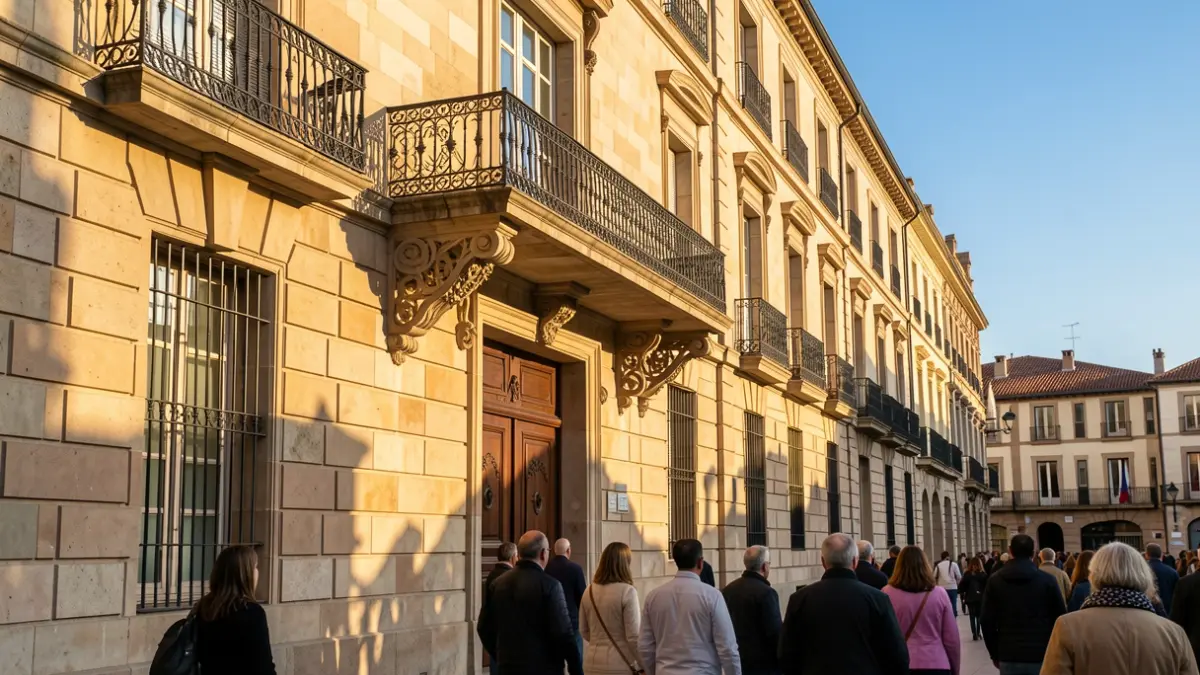
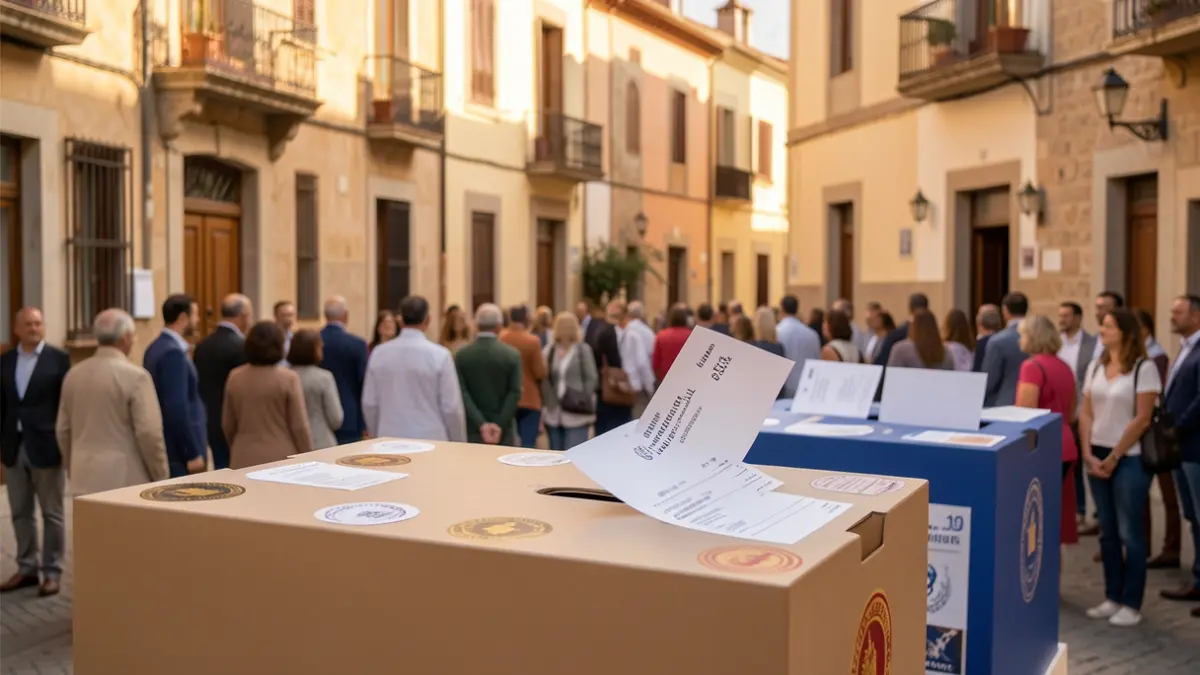
The motion presented by the Popular Party (PP) to end the pedestrianization pilot of the first section of Rambla Nova only received support from PP and Vox. PSC, Junts, and the three non-attached councilors voted against it, while ERC and ECP abstained. During the session, a group of residents opposed to the measure made their presence known, complaining about the council's lack of consultation regarding the space's redefined uses.
This pilot test, which restricts vehicle access to the section closest to the Balcó del Mediterrani, began in November 2024 and has been extended sine die. An investment of 100,000 euros is planned for an artistic intervention in early 2026, despite the collection of signatures and protests by local residents against the project.
Furthermore, a motion by ERC and En Comú Podem (ECP) urging the State and the Diputació de Tarragona to redesign the Camí de Ronda project at Savinosa was also rejected. The motion, supported by the SOS Costa Daurada platform, argued that the current project is 'counterproductive' and oversized, as it plans for a five-meter-wide walkway in a fragile, rocky area.
“"The initiative is not a road in the middle of the Morrot de la Savinosa and does not damage any protected species."
The municipal government spokesperson, Sandra Ramos, defended the project, emphasizing that environmental reports supported it and that the Ministry for Ecological Transition would execute it. Despite internal criticism towards Xavier Puig (ERC) for his dual role as a deputy promoting the project, the session almost unanimously approved an ERC motion to create a medical consulting room in the Móra neighborhood.
Finally, the City Council announced the tender for the artistic direction of the Tarraco Viva festival, following the retirement of the long-time director Magí Seritjol. The councilor for Heritage, Nacho García, explained that the contract will last two years, with the possibility of extension. At the start of the plenary, Óscar García (PP), a Computer Engineer from CSIC, assumed the position of popular councilor, replacing Elisa Vedrina.