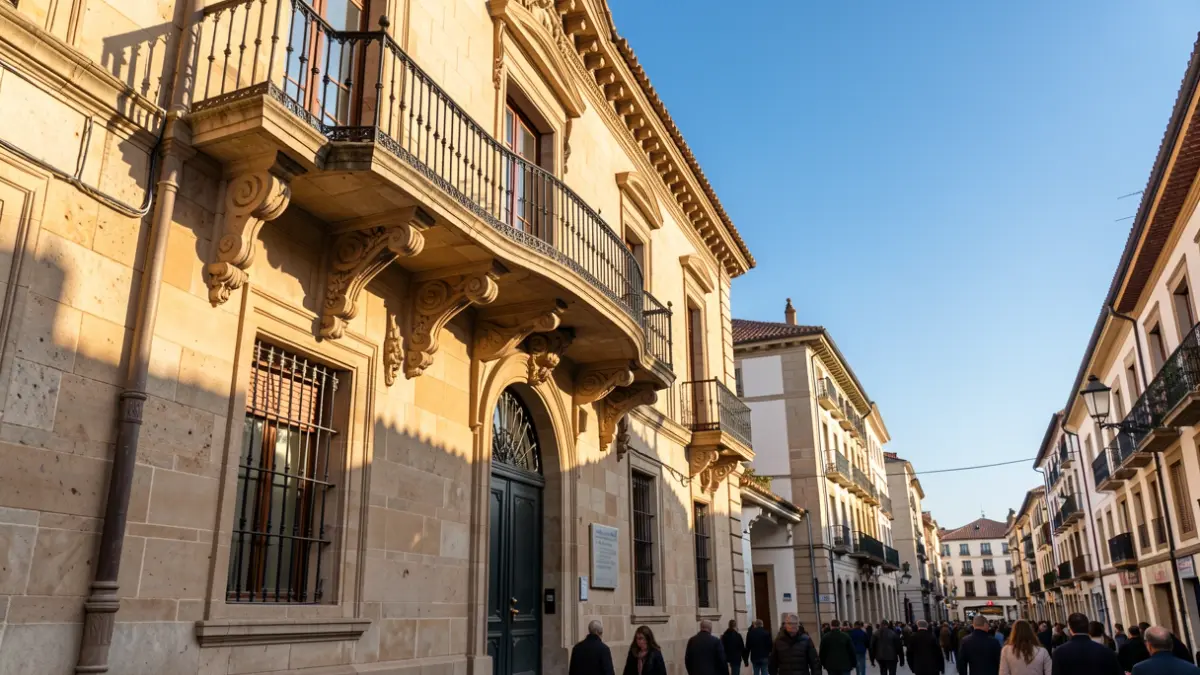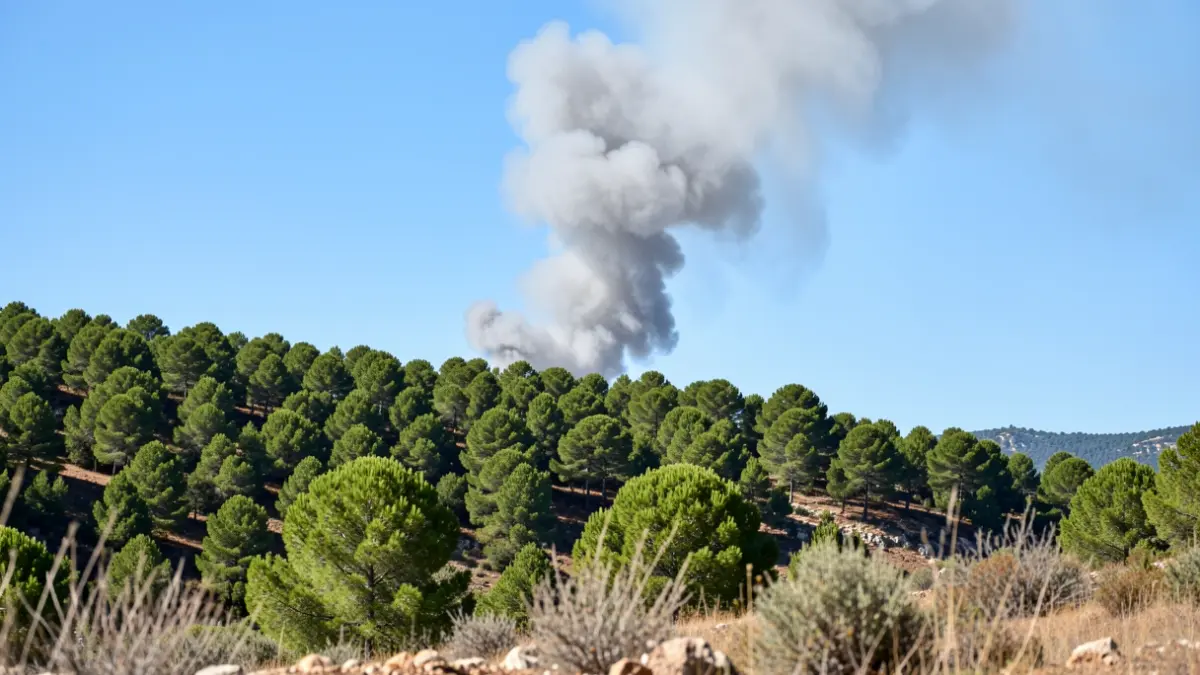
The active surveillance campaign by the Special Forest Fire Prevention Groups (GEPIF) in Terra Alta and Ribera d’Ebre has begun a month early due to the record heat registered this May. GEPIF conduct territorial control using mobile routes and fixed observation points to quickly detect any smoke columns and activate extinguishing teams. This Thursday, they already alerted to a fire in Bot. They also monitor compliance with restrictions under Level 3 of the Alfa Plan, activated for very high fire risk north of the two Ebro counties.
The Ebro Observatory recorded a record temperature of 37.5 degrees Celsius for a May this Friday, raising the fire danger map to high risk across the territory and very high in the north of Terra Alta and Ribera d’Ebre. This situation is due to low spring rainfall and the accumulation of fine fuel, a result of an exceptionally rainy winter.
The GEPIF team leader for Terra Alta, Joaquim Miralles, has warned that the fine fuel has dried out rapidly, increasing the speed at which fires can spread. A complicated season is anticipated, similar to last year, although a slight drop in temperatures is expected next week.
GEPIF agents conduct dynamic surveillance from elevated points like Coll del Moro in Gandesa, covering areas such as La Fatarella, Vilalba dels Arcs, and La Pobla de Massaluca, to maintain good visibility of the territory. They also pay special attention to authorized agricultural burns and potential ignition points during the hottest hours.
The presence of GEPIF near roads allows for rapid intervention and has a deterrent effect against recklessness and negligence, such as prohibited fires and barbecues or out-of-season burns. Public awareness is key to preventing fires in high-risk areas.
This summer, the Agriculture department will reinforce GEPIF across Catalonia with 10 operational bases and 95 personnel, an increase from last year's 60. The Ebro bases in Arnes and Benifallet will expand from 7 to 24 workers. New bases will also be established in Ponts (Noguera) and Sant Feliu de Buixalleu (la Selva).
In addition to surveillance, GEPIF carry out maintenance tasks for preventive infrastructure, such as water tanks and access roads, and are responsible for wetting flammable material like poplar fluff, which is particularly critical for riparian forests and species nesting.
Surveillance will intensify next week, coinciding with the harvest season. Despite an improvement in risk in Terra Alta and Ribera d’Ebre, very high danger extends to Noguera due to the forecast of afternoon storms with strong winds. The Government urges extreme caution.