The Consorci de Polítiques Ambiental (COPATE) has organized the first congress of the Terres de l'Ebre Biosphere Reserve in Horta de Sant Joan, coinciding with the 13th anniversary of its UNESCO declaration. The event, which brings together 125 participants, aims to "create synergies and alliances" and provide a new impetus to the distinction so that it activates and transforms the territory, presenting new innovation strategies.
One of the key challenges addressed is consolidating a sustainable development model based on the opportunities offered by innovation and artificial intelligence. Furthermore, the need for stable and structural funding to ensure continuous project development, reducing reliance on temporary subsidies, is highlighted. The Reserve awaits the approval of its expansion to include the entire territory.
The Reserve is the collective gaze. Turning it into an asset and an attraction, especially for the identity of those who live here, must be the main element for setting the roadmap.
During the event, Xavier Cazorla, from Elements, advocated for the importance of identifying the "deep values" of Terres de l'Ebre and transforming the Reserve into a "great reservoir of knowledge" for the future, warning against focusing solely on the brand. He proposed concrete medium and long-term actions, such as dialogue between natural parks or the conservation of traditional crafts, emphasizing that the Reserve should be an asset for local identity.
Meanwhile, researcher Montserrat Peñarroya, from Quadrant Alfa, presented the possibilities of artificial intelligence for businesses and for the Reserve brand itself, including simulation tools like "digital twins" and applications for coordinated governance among stakeholders.
COPATE is calling for stable and structural funding for the brand, as expressed by the Consortium's president, Ivan Garcia, who stressed the need for a technical team and economic capacity to develop beneficial policies for the entire territory. The Government delegate in Terres de l'Ebre, Joan Castor Gonell, urged for "firm and decisive steps" by leveraging European and nuclear funds to promote sustainable development that can serve as a "model" in Catalonia.
Gonell argued that sustainability is an opportunity for innovation and growth, proposing Terres de l'Ebre as a pilot testing ground in areas such as agri-food, sustainable tourism, energy transition, and technological innovation.
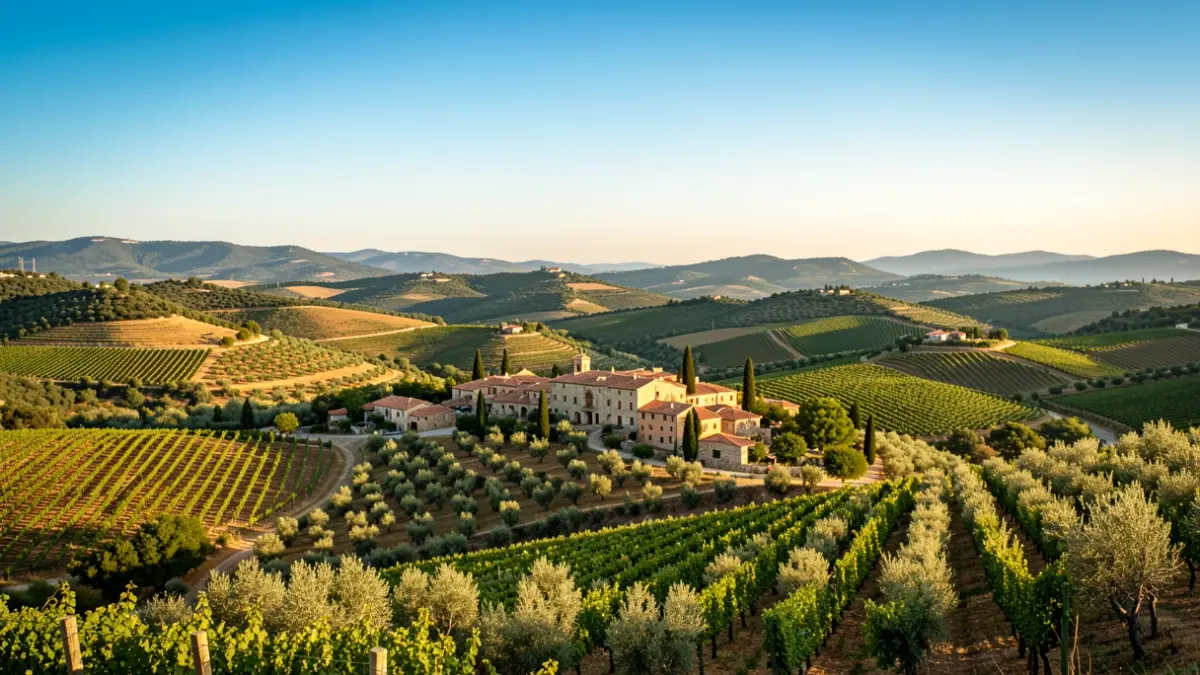
The congress, intended to be annual, also aims for the territory to "immerse itself and get to know" the Reserve brand, as advocated by Garcia, in order to then "export" it due to its "incalculable" value. The event is taking place at the Les Vinyes del Convent winery in Horta de Sant Joan. The mayor of the municipality, Jordi Martin, is confident that the congress will help increase the number of accredited companies, which currently stands at 38 in the Terra Alta comarca.
The congress includes lectures, round tables, and gastronomic and enological activities to share experiences and best practices. Currently, there are 759 Biosphere Reserves declared by UNESCO worldwide, with Spain leading with 55.